
The Ultimate Guide to Oral Care: Tips for a Healthy Smile
A beautiful and healthy smile is a reflection of good oral hygiene and overall well-being. Taking care of your teeth and gums not only prevents dental problems but also boosts confidence. Whether you’re focusing on daily care, professional treatments, or orthodontics, here’s the ultimate guide to maintaining optimal oral health.
1. The Importance of Oral Hygiene
Maintaining oral hygiene is essential for preventing common dental problems like cavities, gum disease, and bad breath. Neglecting your teeth can lead to severe health issues, including infections that may affect other parts of your body. A consistent oral care routine is the first step toward a healthier smile.
Daily Oral Care Routine
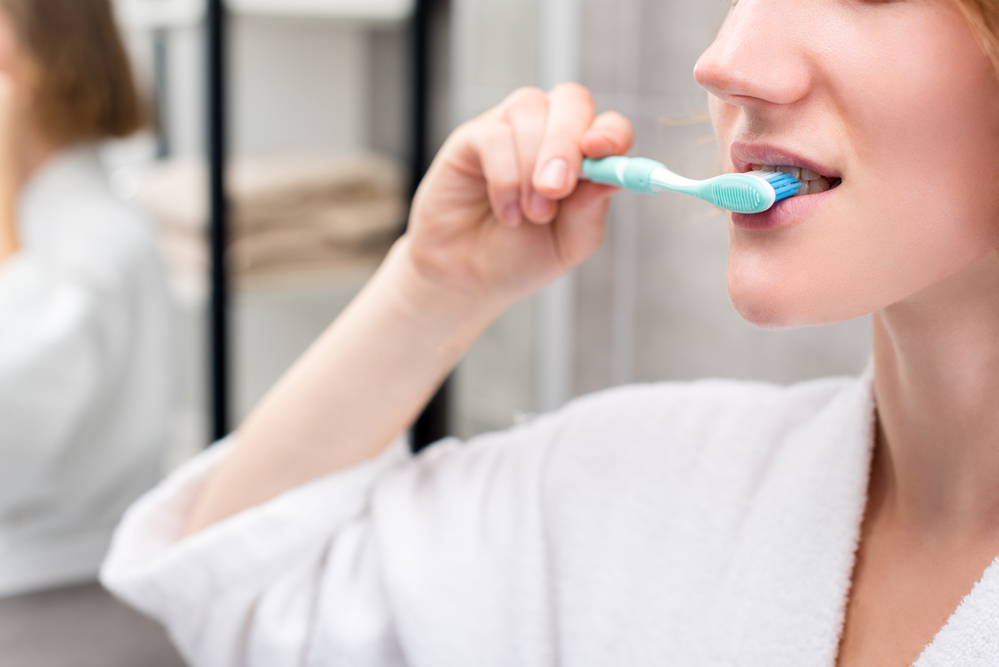
– Brushing: Brush your teeth at least twice a day using fluoride toothpaste. Use a soft-bristled toothbrush and follow a gentle circular motion to remove plaque effectively.
– Flossing: Flossing once a day helps remove food particles and plaque between teeth where a toothbrush cannot reach.
– Mouthwash: Use an antibacterial mouthwash to reduce bacteria and freshen your breath.
– Tongue Cleaning: Bacteria accumulate on the tongue, leading to bad breath. Use a tongue scraper or your toothbrush to clean it regularly.
2. Diet and Its Impact on Oral Health
What you eat significantly affects your teeth and gums. A balanced diet supports strong teeth, while unhealthy food choices can lead to decay and other dental problems.
Best Foods for Oral Health
– Dairy products (cheese, milk, yogurt) – Strengthen enamel with calcium and phosphates.
– Leafy greens (spinach, kale) – Provide essential vitamins for gum health.
– Crunchy fruits and vegetables (apples, carrots, celery) – Help clean teeth naturally.
– Nuts and seeds – Contain minerals that strengthen teeth.
Foods to Avoid
– Sugary snacks and beverages – Contribute to cavities.
– Acidic foods (citrus fruits, soda) – Weaken enamel.
– Sticky candies – Stay on teeth longer, increasing the risk of decay.
3. The Role of Orthodontics in Oral Health
Orthodontics plays a crucial role in enhancing both the function and aesthetics of your teeth. If you have misaligned teeth or bite issues, orthodontic treatments can help improve your oral health and overall appearance.
Common Orthodontic Treatments
– Braces: Traditional metal braces help correct severe misalignment and bite issues over time.
– Clear Aligners: Aesthetic and removable options like Invisalign straighten teeth discreetly.
– Retainers: Used after braces or aligner treatment to maintain results and prevent teeth from shifting.
– Palatal Expanders: Help widen the upper jaw in children to create space for proper tooth alignment.
Orthodontics is not just about appearance; misaligned teeth can lead to difficulties in chewing, speech problems, and increased risk of tooth decay and gum disease. Early assessment by an orthodontist can prevent future complications.
4. Professional Dental Care: Regular Check-ups and Treatments
Even with the best oral care routine, professional dental visits are necessary to ensure optimal dental health.
Why Regular Dental Visits Matter
– Early Detection of Problems: Dentists can identify cavities, gum disease, and other issues before they become severe.
– Professional Cleaning: Removes plaque and tartar buildup that regular brushing may miss.
– Fluoride Treatment: Strengthens enamel and prevents cavities.
– Oral Cancer Screening: Early detection can be lifesaving.
How Often Should You Visit the Dentist?
It’s recommended to visit your dentist at least twice a year. However, if you have specific dental issues or are undergoing orthodontic treatment, more frequent visits may be necessary.
5. Preventing Common Dental Issues
Understanding common dental problems and how to prevent them is key to maintaining a healthy smile.
Cavities
– Brush and floss daily.
– Reduce sugar intake.
– Use fluoride toothpaste.
Gum Disease
– Maintain good oral hygiene.
– Avoid smoking.
– Visit your dentist regularly for cleanings.
Tooth Sensitivity
– Use desensitizing toothpaste.
– Avoid acidic foods.
– Consult your dentist for potential underlying causes.
Bad Breath (Halitosis)
– Brush your teeth and tongue regularly.
– Drink plenty of water.
– Avoid foods with strong odors like garlic and onions.
– Visit your dentist to rule out infections or gum disease.
6. Special Considerations for Children’s Oral Health
Good oral habits should start early to ensure a lifetime of healthy smiles.
Tips for Parents
– Supervise Brushing: Young children should be guided until they can brush effectively on their own.
– Limit Sugary Snacks: Excess sugar contributes to cavities.
– Encourage Drinking Water: Water helps wash away food particles and bacteria.
– Consider Early Orthodontic Assessment: The American Association of Orthodontists recommends that children have an initial orthodontic evaluation by age seven.
7. The Future of Oral Care: Innovations in Dentistry
Advancements in dental technology continue to improve patient experience and treatment outcomes.
Emerging Trends in Dentistry
– Teledentistry: Virtual consultations for increased accessibility.
– 3D Printing: Custom-made dental restorations for a perfect fit.
– Laser Dentistry: Minimally invasive procedures with faster healing times.
– AI in Dentistry: AI-driven diagnostics for early disease detection.
A healthy smile is achievable with a combination of daily care, proper diet, professional check-ups, and, when necessary, orthodontic treatments. By following these guidelines, you can maintain strong teeth, healthy gums, and a beautiful smile for years to come. Investing in oral health today ensures a lifetime of benefits, so make dental care a priority and smile with confidence!
How Safe Are Cosmetic Dental Treatments?
Cosmetic dentistry has become increasingly popular as more people seek to enhance their smiles. From teeth whitening to dental veneers and Invisalign, the options available today are more advanced and accessible than ever. However, with the rising demand for aesthetic dental treatments, concerns about their safety have also emerged. Are these treatments safe? What are the potential risks and how can patients ensure they receive the best care? This article explores the safety aspects of cosmetic dental procedures, highlighting key considerations for those looking to improve their smiles.
Understanding Cosmetic Dentistry Safety
Cosmetic dental treatments are generally safe when performed by qualified professionals. Advancements in dental technology and materials have significantly reduced risks, making procedures more effective and comfortable. However, like any medical or dental treatment, there are potential risks and side effects. The key to safety lies in selecting the right dentist, understanding the procedure, and following post-treatment care instructions.
Common Cosmetic Dental Procedures and Their Safety
1. Teeth Whitening
Teeth whitening is one of the most sought-after cosmetic dental treatments. It can be performed in a dental office or at home using prescribed whitening kits. While generally safe, overuse or misuse of whitening products can cause tooth sensitivity and gum irritation. Professional whitening treatments use controlled amounts of bleaching agents to minimize risks.
2. Dental Veneers
Veneers are thin porcelain or composite shells bonded to the front surface of teeth to improve their appearance. The procedure involves minor enamel removal, which is irreversible. While veneers are safe, poorly fitted or excessively trimmed teeth can lead to sensitivity and weakened tooth structure. Choosing an experienced cosmetic dentist ensures the best results with minimal risks.
3. Invisalign
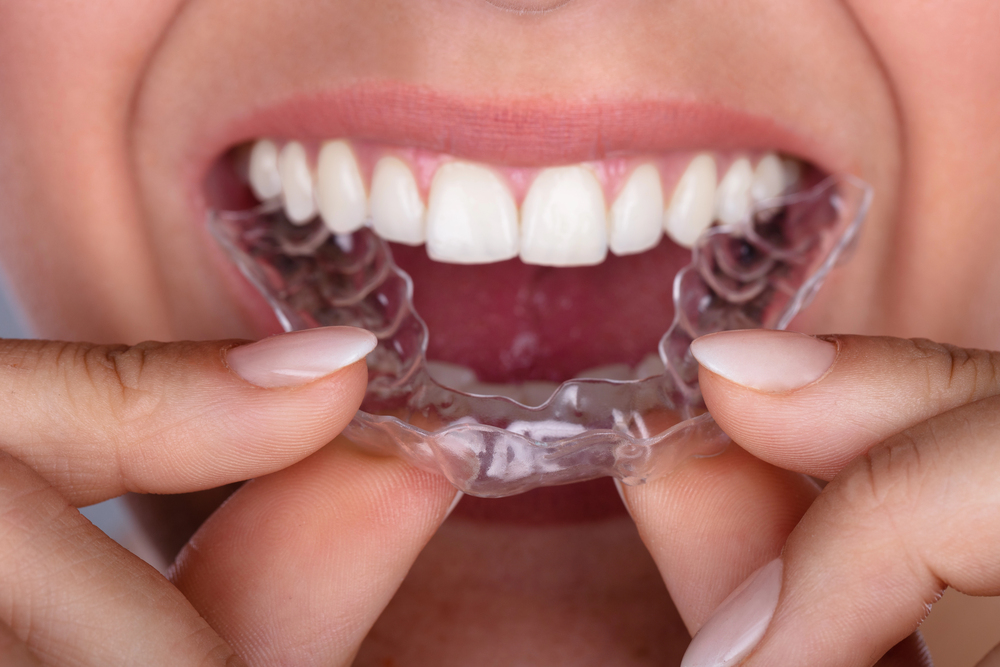
Invisalign is a popular orthodontic treatment that uses clear, removable aligners to straighten teeth without the need for traditional metal braces. Many patients prefer Invisalign because the aligners are nearly invisible, making them a discreet option for improving their smile. Additionally, Invisalign aligners are custom-made for each patient, ensuring a comfortable fit while gradually shifting teeth into the desired position. With its convenience and aesthetic appeal, Invisalign has become a leading choice for individuals seeking a more confident and seamless orthodontic experience. Unlike conventional braces, Invisalign aligners are removable, reducing the risk of gum irritation and plaque buildup. However, for optimal results, patients must wear their aligners for at least 20-22 hours a day. Neglecting to follow the treatment plan can lead to prolonged treatment time and ineffective results. Additionally, using non-professional or over-the-counter clear aligners can pose serious risks to dental health.
4. Dental Bonding
Dental bonding involves applying a tooth-colored resin to repair chips, cracks, or discoloration. It is a minimally invasive procedure and generally safe. However, bonded teeth are not as strong as natural enamel and may be prone to chipping over time. Regular dental check-ups help monitor bonded teeth and ensure their longevity.
5. Dental Implants
Dental implants replace missing teeth with artificial roots and crowns. They are a long-lasting and effective solution but require surgical placement. The procedure has a high success rate when performed by skilled professionals. However, improper implant placement, poor oral hygiene, or pre-existing health conditions can lead to complications such as infection or implant failure.
Factors That Affect the Safety of Cosmetic Dentistry
1. Dentist’s Expertise – The qualifications and experience of the dentist play a crucial role in ensuring safety. Always choose a licensed and reputable professional for cosmetic procedures.
2. Patient’s Oral Health – Pre-existing dental conditions such as gum disease or cavities should be treated before undergoing cosmetic procedures.
3. Quality of Materials Used – High-quality materials contribute to better durability and safety. Cheaper alternatives may compromise results and lead to complications.
4. Adherence to Post-Treatment Care – Following aftercare instructions, such as wearing retainers after Invisalign treatment or avoiding staining foods after whitening, ensures long-term success.
5. Customized Treatment Plans – Every patient’s dental needs are unique. Personalized treatment plans tailored by professionals reduce risks and improve outcomes.
Potential Risks and How to Avoid Them
While most cosmetic dental treatments are safe, some risks include:
– Tooth Sensitivity – Common after whitening and veneer placement. Using desensitizing toothpaste can help.
– Gum Irritation – Often occurs with ill-fitting aligners or excessive whitening gel use.
– Infection – Rare but possible with implants if proper hygiene isn’t maintained.
– Allergic Reactions – Some individuals may react to dental materials. Discussing allergies with the dentist beforehand can prevent this.
– Unrealistic Expectations – Cosmetic dentistry improves appearance but may not always achieve perfection. A thorough consultation with the dentist helps set realistic goals.
Cosmetic dental treatments, including Invisalign, veneers, and teeth whitening, are generally safe when performed by trained professionals. The key to ensuring a successful and risk-free experience lies in choosing a reputable dentist, following proper care guidelines, and understanding the procedure. Before undergoing any cosmetic dental treatment, consult a qualified professional to discuss the risks, benefits, and best options for your specific dental needs. With proper care and expert guidance, achieving a beautiful and healthy smile is not only possible but also safe.
Restorative Dentistry: Exploring Dental Services for Tooth Repair and Replacement
A healthy smile is essential for overall well-being, but dental issues such as decay, fractures, and missing teeth can compromise both function and aesthetics. Fortunately, restorative dentistry offers various solutions to repair and replace damaged teeth, improving oral health and quality of life. From dental fillings to implants, modern dental services provide effective treatments tailored to individual needs.
Understanding Restorative Dentistry
Restorative dentistry focuses on diagnosing, treating, and managing oral health issues that affect the teeth, gums, and supporting structures. The primary goal is to restore function, prevent further damage, and enhance the appearance of the patient’s smile. Whether it’s a minor cavity or complete tooth loss, restorative treatments help maintain a strong and healthy dental structure.
Common Restorative Dental Procedures
Several procedures fall under the umbrella of restorative dentistry, each addressing specific issues related to tooth repair and replacement. Here are some of the most common treatments:
1. Dental Fillings
One of the most frequently performed restorative procedures, dental fillings are used to repair teeth affected by cavities or minor fractures. When decay erodes the enamel, it creates a cavity that must be cleaned and filled to prevent further deterioration. Fillings can be made from various materials, including:
– Composite Resin: Tooth-colored and aesthetically pleasing, ideal for front and visible teeth.
– Amalgam: Durable and cost-effective, but silver in color.
– Ceramic: Long-lasting and stain-resistant, often used for larger fillings.
– Gold: Highly durable but more expensive and noticeable.
Dental fillings restore the tooth’s structure and function, preventing further decay and strengthening the tooth.
2. Dental Crowns
A dental crown is a custom-made cap that covers a damaged or weakened tooth. Crowns are commonly used after a large filling, root canal therapy, or when a tooth is cracked or broken. They provide protection, restore function, and improve aesthetics. Crowns can be made from porcelain, metal, or a combination of both.
3. Dental Bridges
When one or more teeth are missing, dental bridges provide a reliable replacement option. A bridge consists of artificial teeth anchored to adjacent natural teeth or implants. This treatment restores the ability to chew and speak properly while preventing neighboring teeth from shifting out of alignment.
4. Dental Implants
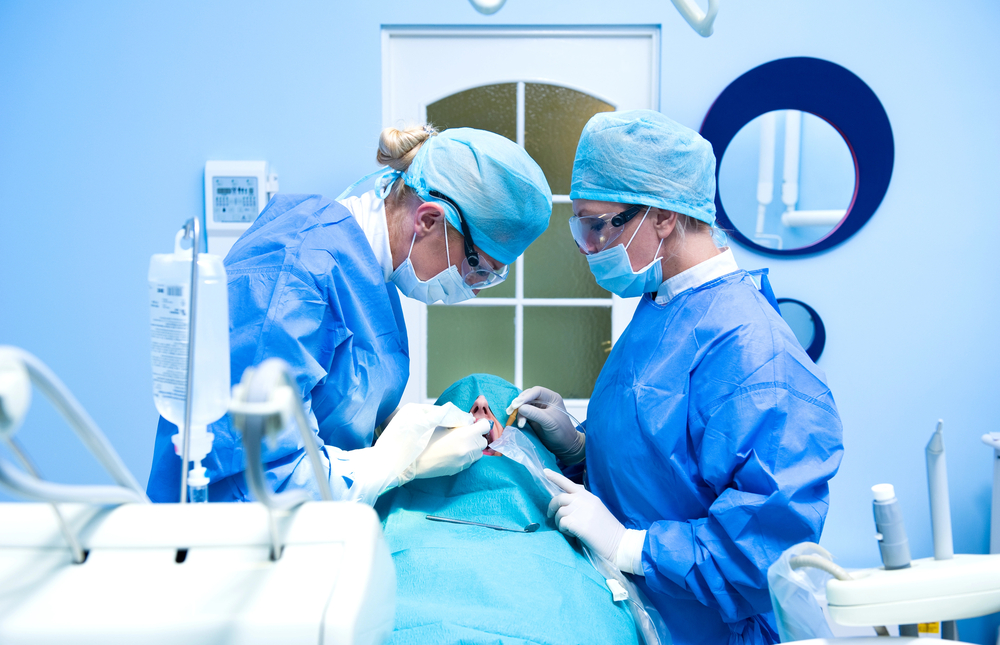
For a permanent tooth replacement solution, dental implants offer exceptional durability and functionality. A titanium post is surgically implanted into the jawbone, serving as an artificial root. A custom-made crown is then attached to restore the appearance and function of a natural tooth. Implants promote jawbone health and can last a lifetime with proper care.
5. Dentures
Dentures are removable appliances that replace multiple missing teeth. They come in full or partial forms, depending on the extent of tooth loss. Modern dentures are more comfortable and natural-looking than ever before, helping patients regain confidence in their smiles.
The Importance of Restorative Dentistry
Restorative dental services are essential for maintaining oral health and overall well-being. Some key benefits include:
– Preventing Further Damage: Restorative treatments like dental fillings and crowns stop decay from spreading and strengthen teeth.
– Restoring Functionality: Repairing or replacing damaged teeth improves the ability to chew and speak properly.
– Enhancing Aesthetics: Modern materials ensure that restorations blend seamlessly with natural teeth.
– Boosting Confidence: A restored smile enhances self-esteem and improves social interactions.
Choosing the Right Restorative Treatment
Selecting the most suitable restorative procedure depends on the severity of the issue, budget, and personal preferences. Consulting with a qualified dentist is essential to determine the best treatment plan. Regular check-ups and preventive care can also help detect issues early and minimize the need for extensive restorations.
Restorative dentistry plays a crucial role in preserving and enhancing oral health. Whether it’s a simple dental filling or a full-mouth restoration, modern dental solutions offer effective ways to repair and replace teeth. By seeking timely dental care, individuals can maintain a healthy, functional, and beautiful smile for years to come.
Advanced Technologies for TMJ Treatment: What’s New in 2025?
Temporomandibular joint (TMJ) disorders affect millions of people worldwide, causing discomfort, pain, and difficulty with basic functions like chewing and speaking. Advances in medical and dental technologies have revolutionized the diagnosis and treatment of TMJ disorders, providing patients with more effective and less invasive options. In 2025, new innovations promise to make managing TMJ disorders even more efficient and personalized, with breakthroughs in dental software and other cutting-edge tools taking center stage.
The Evolving Landscape of TMJ Treatment
Traditionally, TMJ disorders were managed using a combination of physical therapy, medication, oral appliances, and, in severe cases, surgery. However, these treatments often relied heavily on trial and error, as precise diagnosis and individualized treatment plans were challenging. Recent advancements in dental software and imaging technologies are changing this narrative, enabling clinicians to pinpoint the root cause of TMJ disorders and develop tailored interventions with unprecedented accuracy.
Innovative Diagnostic Tools
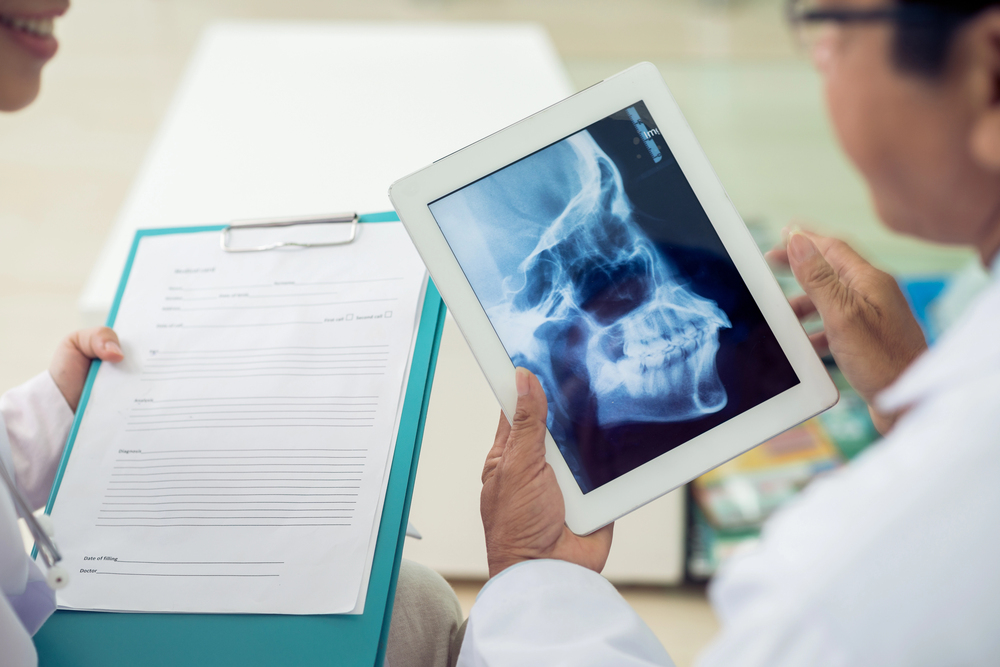
One of the most significant developments in 2025 is the use of 3D imaging technologies. Cone-beam computed tomography (CBCT) scans are now more accessible and detailed, providing high-resolution images of the temporomandibular joint. These scans allow dental professionals to visualize the joint’s structure, detect abnormalities, and assess the extent of damage with precision.
Paired with advanced dental software, CBCT scans can now be integrated into virtual treatment planning systems. These systems create comprehensive models of a patient’s jaw and surrounding structures, allowing for a thorough analysis of how the TMJ interacts with other components of the oral cavity. This level of detail ensures that clinicians can identify the exact cause of pain, whether it’s joint degeneration, misalignment, or muscle tension.
AI-Powered Dental Software
Artificial intelligence (AI) is playing a transformative role in TMJ diagnosis and treatment. AI-powered dental software analyzes patient data—including imaging, medical history, and symptoms—to provide real-time insights and recommendations. These tools can identify patterns that may not be immediately apparent to human clinicians, enhancing diagnostic accuracy.
For example, AI algorithms can detect subtle changes in joint movement and alignment from CBCT scans or even track how TMJ symptoms evolve over time. This enables dentists to monitor progress and adjust treatment plans dynamically. Additionally, AI is being integrated into wearable devices that patients can use at home to track jaw movements and muscle activity, creating a continuous feedback loop between patients and their care providers.
Personalized Oral Appliances
Oral appliances remain a cornerstone of TMJ treatment, but new technologies are making them more effective than ever. In 2025, custom oral appliances are being designed with the help of 3D printing and advanced dental software. These tools enable the creation of appliances that are perfectly tailored to a patient’s unique anatomy, ensuring optimal comfort and effectiveness.
Moreover, some appliances now come equipped with embedded sensors that collect data on jaw movement and pressure while in use. This information is transmitted to dental software, allowing clinicians to assess how well the appliance is working and make adjustments as needed. Patients benefit from a more personalized approach that maximizes relief and minimizes discomfort.
Minimally Invasive Procedures
While surgical interventions are sometimes necessary for severe TMJ disorders, advancements in technology are making these procedures less invasive and more precise. Robotic-assisted surgeries are becoming more common, allowing for greater accuracy and reduced recovery times. Additionally, regenerative medicine techniques, such as platelet-rich plasma (PRP) injections and stem cell therapies, are gaining traction as viable options for repairing damaged joint tissues.
These minimally invasive treatments are often guided by dental software that maps out the procedure in advance, ensuring that every step is carefully planned and executed. This reduces the risk of complications and improves outcomes for patients.
The Role of Telehealth
Telehealth has become an integral part of TMJ care in 2025, thanks to advancements in digital communication platforms and wearable devices. Patients can now consult with specialists remotely, sharing data from their wearable sensors and dental software directly with their providers. This eliminates the need for frequent in-person visits while maintaining high-quality care.
For instance, patients with TMJ disorders can use mobile apps to report symptoms, track progress, and receive personalized exercises or recommendations. Dental professionals can analyze this data through their software systems and provide tailored advice or adjustments to treatment plans without requiring the patient to visit the clinic.
Future Directions
As technology continues to evolve, the future of TMJ treatment looks promising. Researchers are exploring the potential of virtual reality (VR) for pain management, offering immersive environments that help patients reduce stress and relax their jaw muscles. Additionally, advancements in genomics may lead to personalized medicine approaches, where treatments are tailored based on a patient’s genetic profile.
AI and dental software will likely become even more sophisticated, integrating seamlessly with wearable devices and imaging tools to provide a holistic view of TMJ health. These technologies will empower both patients and clinicians, fostering a more collaborative approach to care.
The advancements in TMJ treatment technologies in 2025 are transforming how dental professionals diagnose and manage this complex condition. From AI-powered dental software to custom oral appliances and minimally invasive procedures, these innovations are providing patients with more effective and personalized solutions. As the field continues to grow, individuals suffering from TMJ disorders can look forward to improved outcomes and a better quality of life.
How Orthodontic Care Impacts Overall Health Beyond Just Teeth
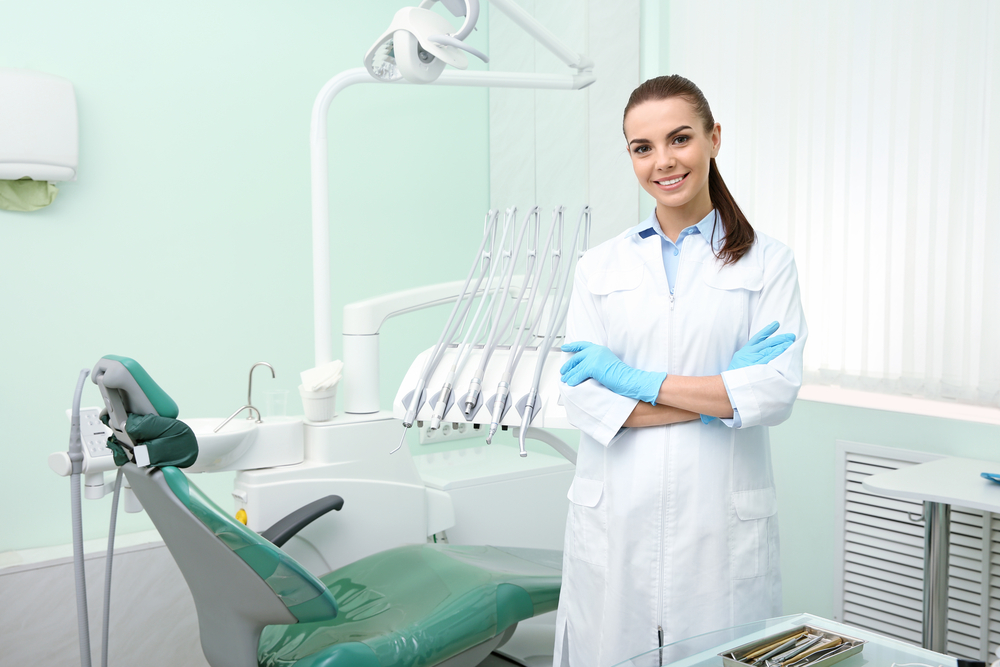
Orthodontic care is commonly associated with improving the appearance of one’s smile, but its benefits extend far beyond aesthetics. While braces, clear aligners, and other orthodontic treatments are designed to correct dental alignment, they play a crucial role in overall health. The expertise of orthodontic professionals and the use of advanced software tools for oral care professionals are transforming the way orthodontic care influences not only dental health but also overall well-being.
The Connection Between Oral Health and Overall Health
It’s widely recognized that the state of your oral health can have a direct impact on your general health. Poor oral hygiene and untreated dental issues such as misaligned teeth or an improper bite can lead to more serious health problems. Conditions like gum disease, tooth decay, and jaw misalignments have been linked to an increased risk of heart disease, diabetes, respiratory issues, and even complications during pregnancy.
Orthodontic care aims to address misalignments, known as malocclusions, which can contribute to these larger health problems. Misaligned teeth or jaws often cause difficulty with chewing, speaking, and breathing, which can result in discomfort or chronic conditions. By addressing these issues, orthodontic treatment does more than enhance appearance—it can significantly improve a person’s overall health.
The Role of Orthodontic in Promoting Health
The role of orthodontic care in promoting overall health is multifaceted and essential. Orthodontic experts are highly trained professionals who specialize in diagnosing and treating issues related to the alignment of teeth and jaws. Beyond cosmetic benefits, orthodontic treatment helps improve the function of the mouth, reducing the risk of problems such as jaw pain, chewing difficulties, and breathing issues. By ensuring that teeth are properly aligned, orthodontic experts also help prevent the development of oral health problems like tooth decay, gum disease, and temporomandibular joint (TMJ) disorders. Correcting bite issues can improve the overall quality of life by making everyday activities, such as eating and speaking, more comfortable and efficient. Additionally, orthodontic care can contribute to better sleep by addressing airway obstructions, making it a critical element of comprehensive health management.
When teeth are not properly aligned, they can cause a variety of health problems:
- Jaw Pain and TMJ Disorders: Misalignment of the teeth or jaw can lead to temporomandibular joint (TMJ) disorders. This condition affects the jaw joint, causing pain, discomfort, and difficulty in moving the jaw. Orthodontic treatment can help realign the teeth and jaw, alleviating these painful symptoms.
- Improved Digestion: When teeth are aligned correctly, they can function more effectively during chewing. This improves the initial breakdown of food, which helps in better digestion. Misaligned teeth often lead to inefficient chewing, which can affect digestion and overall nutrition.
- Enhanced Breathing: An improper bite or misaligned teeth can sometimes obstruct the airway, leading to issues like snoring or sleep apnea. Orthodontic care can correct these issues, improving airflow and reducing the risk of these sleep-related disorders.
- Preventing Gum Disease: Crooked teeth are harder to clean effectively, leading to plaque build-up and an increased risk of gum disease. By straightening teeth, orthodontic treatment makes it easier to maintain good oral hygiene, reducing the risk of gingivitis and periodontitis, which are linked to heart disease and diabetes.
Orthodontic Care and Psychological Well-Being
In addition to the physical health benefits, orthodontic treatment has been shown to improve mental and emotional well-being. A straight smile is often associated with confidence and positive self-esteem. People who undergo orthodontic treatment often report feeling better about their appearance, which can lead to greater social engagement and reduced anxiety.
Moreover, addressing alignment problems early in life can prevent the development of more serious psychological effects later on. Children and adolescents who feel self-conscious about their teeth are more likely to experience bullying or social exclusion. Correcting these issues can have a profound impact on their mental health and social development.
How Software Tools for Oral Care Professionals Enhance Treatment
Advancements in dental technology have also contributed significantly to improving the quality of orthodontic care. Software tools for oral care professionals, such as 3D imaging, digital treatment planning, and simulation software, allow orthodontic experts to develop highly personalized treatment plans for each patient.
These tools provide orthodontists with detailed views of a patient’s teeth, jaws, and facial structures, allowing them to plan and monitor treatment with a high level of precision. For example, digital impression software eliminates the need for traditional molds, providing a more comfortable experience for patients while offering more accurate results.
Additionally, software tools allow orthodontic professionals to simulate treatment outcomes before any physical work is done. This ability to predict how the teeth and jaws will move can lead to faster, more efficient treatments with better long-term results. Such technological advancements also help orthodontists make adjustments in real time, ensuring that patients receive the best possible care throughout their treatment journey.
Long-Term Health Benefits of Orthodontic Treatment
The long-term benefits of orthodontic care are vast and far-reaching. Correcting alignment issues early on can prevent the need for more invasive procedures down the road, saving both time and money. By addressing malocclusions before they lead to more serious health problems, orthodontic experts help ensure better oral health for years to come.
Furthermore, the improvements in functionality that come with proper alignment—such as better chewing, speaking, and breathing—are essential for overall quality of life. Orthodontic care isn’t just about achieving a beautiful smile; it’s about giving patients the tools they need for a healthier and more comfortable life.
Orthodontic care is about much more than straightening teeth—it’s a comprehensive approach to enhancing overall health. From improving digestion and airflow to reducing the risk of gum disease and enhancing psychological well-being, orthodontic treatments offer benefits that extend far beyond aesthetics. With the expertise of orthodontic professionals and the use of innovative software tools for oral care professionals, patients can expect a more personalized, efficient, and effective treatment experience.
By investing in orthodontic care, individuals not only improve the health and appearance of their teeth but also take an important step toward better overall health. Whether it’s through improved jaw function, better hygiene, or increased self-confidence, the impact of orthodontics reaches far beyond the smile.
Why Invisalign is the Secret to a Picture-Perfect Smile for Beauty Enthusiasts
In today’s world, where beauty and self-expression are celebrated more than ever, a radiant smile has become a defining feature of confidence and charm. A perfect smile is not only an asset for personal relationships but also a key factor in professional success and social media appearances. For beauty enthusiasts, achieving that flawless smile has become a top priority, and Invisalign has emerged as the go-to solution for aligning teeth without compromising on aesthetics or comfort.
The Rise of Invisalign in the Beauty World
Traditional metal braces have long been the standard for correcting dental alignment issues. While effective, they’ve often been viewed as clunky, uncomfortable, and incompatible with modern beauty trends. Invisalign, with its clear and virtually invisible aligners, has revolutionized orthodontic care by offering a discreet and aesthetically pleasing alternative. Beauty enthusiasts, from influencers to everyday fashion-forward individuals, have embraced Invisalign as a seamless way to enhance their smiles without drawing unwanted attention.
One of Invisalign’s biggest appeals lies in its compatibility with a beauty-focused lifestyle. Unlike metal braces, which can dominate the appearance of the face, Invisalign aligners are barely noticeable. This makes them ideal for those who prioritize their appearance, whether for professional photoshoots, social media posts, or simply their daily interactions. Invisalign allows individuals to improve their dental alignment while maintaining their confidence and style.
Discreet Aesthetics for the Style-Conscious
In the beauty world, subtlety is often key. Whether you’re rocking bold lipstick or natural makeup, metal braces can feel like a visual distraction. Invisalign aligners, crafted from transparent material, allow the natural beauty of your teeth to shine through while they work their magic. This discreet design ensures that beauty enthusiasts can showcase their authentic selves without the worry of orthodontic devices stealing the spotlight.
Moreover, Invisalign aligners are custom-made to fit each individual’s teeth perfectly. This tailored approach not only ensures optimal results but also enhances comfort. Beauty enthusiasts who value a flawless look can confidently wear Invisalign in professional settings, during events, or while capturing candid moments, knowing their aligners are virtually undetectable.
A Seamless Fit for Beauty Routines
For beauty enthusiasts, maintaining a polished appearance is a top priority. Invisalign fits seamlessly into daily beauty routines without demanding significant sacrifices. The aligners are removable, allowing users to maintain their skincare and makeup regimens without interruption. Unlike metal braces, which can trap food and make cleaning cumbersome, Invisalign aligners can be taken out during meals and oral hygiene routines, making them both practical and hygienic.
This removability also allows beauty enthusiasts to experiment freely with their looks. Whether it’s applying bold lipstick or whitening treatments, Invisalign ensures that your smile remains the star of the show. Additionally, Invisalign wearers don’t need to worry about unsightly food particles or staining, making it easier to maintain a pristine appearance throughout the day.
Boosting Confidence and Self-Esteem
Beauty is as much about how you feel as how you look. Invisalign’s ability to discreetly correct dental imperfections can provide a significant boost to self-confidence. A misaligned smile can make individuals feel self-conscious, often leading to a reluctance to smile openly in social or professional settings. Invisalign’s subtle, effective approach to orthodontic care allows users to see progressive improvements in their smiles, encouraging them to embrace their beauty with newfound confidence.
Invisalign also caters to a wide range of dental issues, from minor gaps to complex misalignments, making it a versatile solution for beauty enthusiasts with varying needs. The aligners’ gradual adjustments mean that users can see noticeable results within months, keeping them motivated throughout their journey to a picture-perfect smile.
Social Media and the Invisalign Effect
In the age of selfies and social media, a beautiful smile is more important than ever. Platforms like Instagram, TikTok, and YouTube have placed a spotlight on appearances, with influencers and beauty gurus sharing every detail of their lives with their audiences. Invisalign’s discrete nature aligns perfectly with this trend, allowing individuals to document their orthodontic journey without compromising their visual appeal.
Many beauty influencers openly share their Invisalign experiences, highlighting the ease and effectiveness of the treatment. Their transparency not only inspires others to prioritize their dental health but also normalizes the idea of self-improvement through modern orthodontics. Invisalign has thus become a symbol of empowerment, encouraging individuals to take control of their smiles while embracing their unique beauty.
Enhancing Overall Facial Aesthetics
A beautiful smile isn’t just about straight teeth; it’s also about how your smile compliments your overall facial features. Invisalign helps achieve harmony by aligning teeth in a way that enhances your natural beauty. Proper dental alignment can improve the symmetry of your face, define your jawline, and even contribute to better posture and speech—all of which play a role in a polished and confident appearance.
For beauty enthusiasts who pay attention to every detail, Invisalign offers the opportunity to refine not just their smiles but their entire facial aesthetic. This holistic approach to beauty makes Invisalign a valuable addition to any self-care regimen.
Invisalign has redefined the way beauty enthusiasts approach orthodontic care. By combining discrete aesthetics, practicality, and transformative results, it has become the secret weapon for those seeking a picture-perfect smile. Whether you’re a fashion influencer, a makeup artist, or simply someone who values self-expression, Invisalign allows you to align your teeth without compromising your style or confidence.
A radiant smile is a timeless accessory, and Invisalign ensures that achieving one is easier and more stylish than ever. For beauty enthusiasts looking to enhance their natural charm, Invisalign is not just an orthodontic solution—it’s a statement of self-love and empowerment.
Sustainability in Dentistry: How Digital Tools Reduce Waste and Improve Efficiency
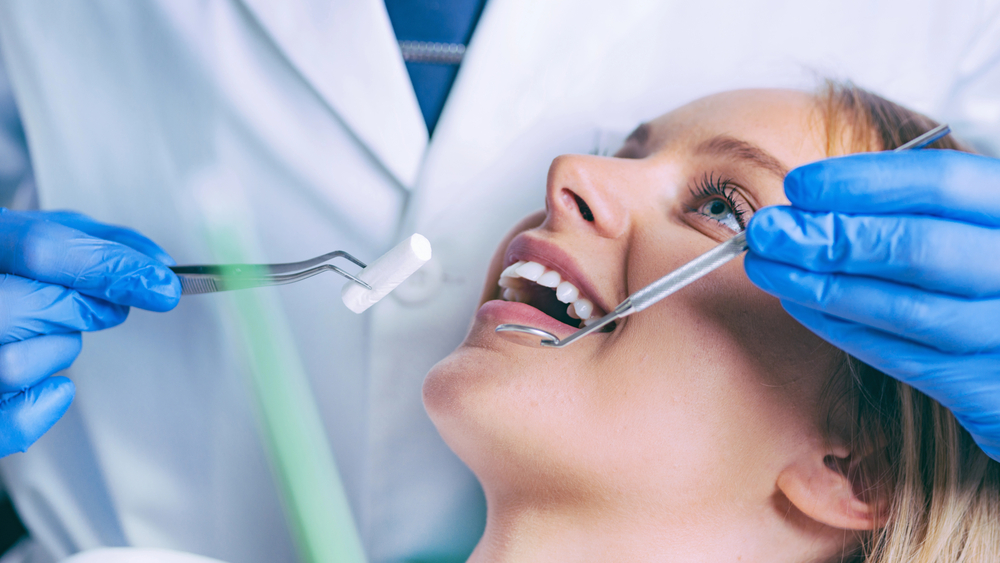
In recent years, dentistry has undergone a remarkable transformation with the integration of cutting-edge technologies. While these innovations have significantly improved patient care, they’ve also opened the door to a more sustainable and environmentally friendly approach to oral healthcare. The adoption of digital tools in dental practices is not only revolutionizing treatment methodologies but also contributing to a paradigm shift toward regenerative and sustainable dentistry. By reducing waste, enhancing efficiency, and promoting precision, digital dentistry aligns perfectly with the growing demand for eco-conscious healthcare solutions.
The Environmental Challenge in Traditional Dentistry
Traditional dentistry often involves materials and processes that generate significant waste. For example, physical impressions require single-use plastics, alginate, and other materials that are discarded after a single use. Similarly, outdated imaging technologies like film X-rays contribute to chemical waste due to the development process. Moreover, shipping physical molds and other dental products between labs and clinics involves packaging and transportation emissions, further increasing the environmental footprint of conventional dental practices.
These challenges underscore the urgent need for sustainable practices in dentistry. Enter digital dentistry: a comprehensive approach that leverages advanced technologies to minimize waste while improving patient outcomes.
Digital Smile Design: Transforming Aesthetic Dentistry
One of the most compelling advancements in digital dentistry is Digital Smile Design (DSD). This innovative technology enables dentists to create a highly personalized and precise treatment plan for patients seeking aesthetic improvements. By using digital imaging and computer-aided design, DSD allows clinicians to visualize and simulate the final results before initiating treatment.
Not only does this enhance patient satisfaction by aligning expectations, but it also eliminates the need for multiple trial-and-error physical prototypes. Traditional methods often require repeated adjustments and remakes of veneers or crowns, which generate excess waste. With DSD, these adjustments are handled digitally, reducing material consumption and cutting down on the energy and resources used during the manufacturing process. The result is a streamlined, waste-free approach to achieving a perfect smile.
3D Printing and CAD/CAM Technology: Revolutionizing Efficiency
Computer-Aided Design and Manufacturing (CAD/CAM) technology and 3D printing are at the forefront of sustainable dentistry. These tools enable dentists to create precise restorations such as crowns, bridges, and dentures in-house. Unlike traditional methods that rely on external dental labs, these technologies eliminate the need for shipping and packaging materials, drastically reducing carbon emissions.
Furthermore, 3D printing allows for the creation of dental products with minimal material waste. Traditional milling processes often result in significant material loss, as large portions of blocks are cut away to create the desired shape. In contrast, 3D printing is additive, meaning materials are only used where necessary. This approach not only reduces waste but also optimizes resource utilization, making it a cornerstone of regenerative and sustainable dentistry.
Intraoral Scanners: Reducing Single-Use Materials
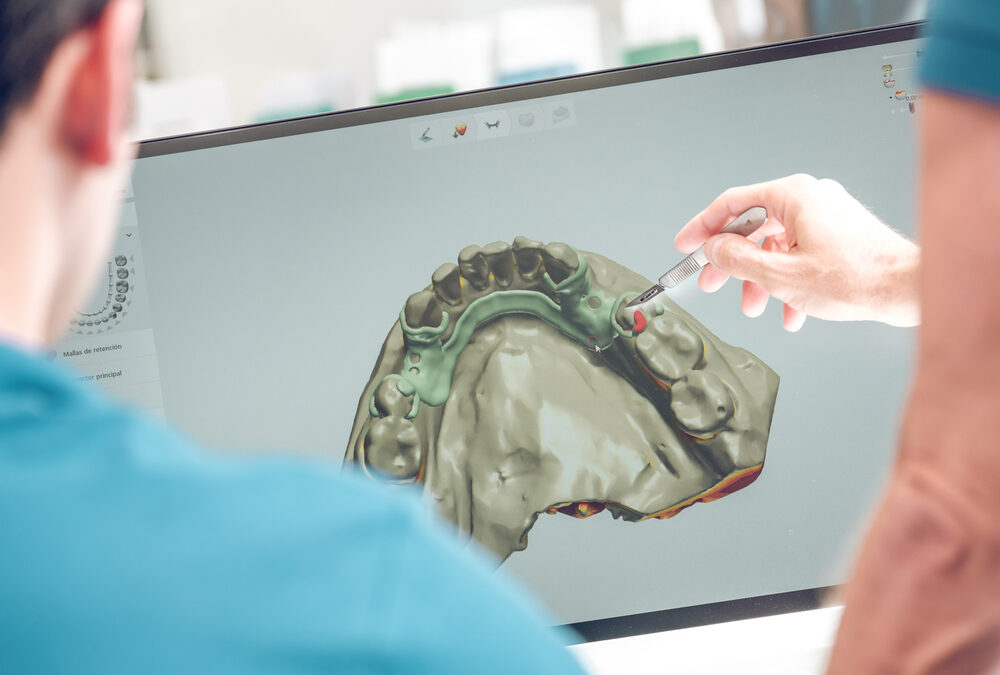
Another game-changing digital tool in sustainable dentistry is the intraoral scanner. These devices replace the need for traditional impression materials by capturing highly accurate digital impressions of a patient’s teeth and gums. In addition to improving patient comfort, intraoral scanners eliminate the use of disposable trays and alginate materials, which are often discarded after a single use.
By transitioning to digital impressions, dental practices can significantly reduce their reliance on single-use plastics and other non-biodegradable materials. Additionally, digital impressions can be stored electronically, eliminating the need for physical storage space and reducing paper waste associated with traditional record-keeping.
Digital Workflows: Enhancing Efficiency and Reducing Carbon Footprints
Digital workflows in dentistry—from diagnosis to treatment planning—are inherently more efficient than traditional methods. For instance, digital X-rays not only provide superior imaging quality but also eliminate the chemical waste associated with film processing. Similarly, virtual consultations and teledentistry solutions reduce the need for patients to travel to clinics, cutting down on transportation-related emissions.
Moreover, digital systems enable seamless communication between dental professionals, laboratories, and patients. This level of coordination reduces delays and ensures that treatments are completed more quickly and accurately, minimizing the need for repeat procedures. By embracing these digital workflows, dental practices can significantly reduce their environmental impact while delivering faster and more effective care.
Aligning with Regenerative and Sustainable Dentistry
The concept of regenerative and sustainable dentistry goes beyond waste reduction; it emphasizes the importance of restoring and maintaining oral health in a way that benefits both patients and the planet. Digital tools play a pivotal role in achieving this vision by promoting precision and preventing overtreatment.
For example, advanced diagnostic tools powered by artificial intelligence (AI) can detect oral health issues at an early stage, allowing for minimally invasive treatments. This reduces the need for extensive restorative procedures, which often involve energy-intensive processes and non-biodegradable materials. Additionally, digital records and monitoring systems enable long-term preventive care, ensuring that patients maintain their oral health without unnecessary interventions.
A Greener Future for Dentistry
As the world becomes increasingly conscious of environmental sustainability, dental practices must adapt to meet these expectations. By integrating digital tools and workflows, the dental industry can move toward a greener future that prioritizes both patient outcomes and planetary health.
From Digital Smile Design to 3D printing, the advancements in digital dentistry are paving the way for a more sustainable and efficient approach to oral healthcare. These innovations not only reduce waste and carbon footprints but also enhance the overall patient experience. As regenerative and sustainable dentistry continues to evolve, the integration of digital technologies will undoubtedly play a central role in shaping the future of the profession.
In conclusion, digital dentistry represents a win-win solution: better care for patients and a more sustainable approach to healthcare. By embracing these tools, dental professionals can lead the charge toward a greener, more responsible future for the industry.
How Modern Orthodontic Treatments Transform Smiles and Confidence
Orthodontics has come a long way from its origins. Today, modern orthodontic treatments offer individuals the chance to achieve straight, beautiful smiles while also boosting their confidence and overall oral health. With advancements in technology and an array of treatment options, patients can now enjoy more effective, comfortable, and discreet solutions than ever before. Among the most popular options are orthodontic braces and clear aligners, both of which continue to revolutionize the industry. Additionally, oral care practices, such as using mouthwash, play an essential role in maintaining the results of orthodontic treatment.
The Role of Orthodontic Braces in Modern Dentistry
Orthodontic braces remain one of the most effective tools for correcting misaligned teeth and bite issues. Modern braces have evolved significantly from the bulky metal appliances of the past. Today, patients can choose from several types, including:
– Traditional Metal Braces: These braces are lighter, more comfortable, and less conspicuous than earlier models.
– Ceramic Braces: Made from tooth-colored materials, these braces blend in with natural teeth, making them a more discreet option.
– Lingual Braces: Positioned on the back of the teeth, lingual braces are virtually invisible from the outside.
Braces work by applying continuous pressure over time to gradually shift teeth into their proper positions. This process not only improves the aesthetic appearance of a smile but also addresses functional issues such as overbites, underbites, and crowding. Proper alignment achieved through orthodontic braces can help prevent long-term dental problems, including uneven wear, gum disease, and jaw pain.
Clear Aligners: A Game-Changer in Orthodontics
For patients seeking an alternative to traditional braces, clear aligners have become an increasingly popular option. Invisalign and similar systems use custom-made, transparent trays to gradually move teeth into alignment. These trays are nearly invisible, making them an attractive choice for adults and teens who want a discreet treatment option.
Clear aligners offer several advantages over traditional braces:
- Comfort: Without brackets and wires, clear aligners are smoother and less likely to irritate the gums and cheeks.
- Convenience: Aligners are removable, making it easier to eat, brush, and floss without restrictions.
- Aesthetic Appeal: The transparency of aligners ensures that treatment is subtle and unnoticeable.
Despite their benefits, clear aligners require discipline from patients. They must be worn for 20-22 hours per day and replaced every one to two weeks to maintain progress. Patients who commit to this regimen often see excellent results comparable to those achieved with braces.
The Psychological Impact of Orthodontic Treatments
One of the most significant benefits of orthodontic treatment is the boost in self-confidence that comes with a straight, healthy smile. Crooked or misaligned teeth can lead to feelings of self-consciousness and even social anxiety. By correcting these issues, orthodontic treatments empower individuals to smile freely and feel more confident in personal and professional settings.
Moreover, improved oral health contributes to better overall well-being. Misaligned teeth are harder to clean, increasing the risk of cavities and gum disease. By addressing alignment issues, orthodontic treatments promote a healthier mouth, reducing the need for more invasive dental procedures in the future.
The Importance of Oral Hygiene During Treatment
Maintaining oral hygiene is critical during orthodontic treatment, whether using braces or aligners. Plaque buildup around brackets, wires, or aligners can lead to cavities, staining, and gum disease. Incorporating good oral care practices ensures long-lasting results and prevents complications.
Tips for Maintaining Oral Hygiene with Orthodontic Braces:
- Brushing: Use a soft-bristled toothbrush and fluoride toothpaste to clean teeth thoroughly after every meal. Pay extra attention to areas around brackets and wires.
- Flossing: Floss threaders or orthodontic flossers make it easier to clean between teeth and under wires.
- Mouthwash: Antibacterial mouthwash helps reduce plaque and prevent gum disease. Patients with braces can benefit from rinsing daily to reach areas that are difficult to clean with a toothbrush.
Tips for Clear Aligner Wearers:
- Cleaning Aligners: Rinse and brush aligners with a soft toothbrush and non-abrasive cleanser to keep them free of bacteria and stains.
- Oral Care Routine: Brush and floss before reinserting aligners to prevent trapping food particles against teeth.
- Mouthwash: Using mouthwash can complement brushing and flossing by killing bacteria and freshening breath.
The Future of Orthodontics
Advancements in technology continue to shape the future of orthodontic treatments. Digital imaging, 3D printing, and artificial intelligence are streamlining treatment planning and improving accuracy. These innovations make it possible to predict outcomes more effectively and provide patients with tailored solutions that suit their needs and lifestyles.
In addition, faster treatment options, such as accelerated orthodontics, are becoming more widely available. These methods use techniques like vibration devices or micro-osteoperforation to speed up tooth movement, reducing overall treatment time.
Modern orthodontic treatments, from advanced orthodontic braces to innovative clear aligners, are transforming the way individuals achieve straighter teeth and healthier smiles. Beyond aesthetics, these treatments significantly improve oral health and boost self-confidence. However, success requires a commitment to good oral hygiene practices, including the use of tools like mouthwash, to maintain healthy teeth and gums during treatment. As technology continues to evolve, the future of orthodontics holds even more promise, ensuring that achieving the perfect smile is both accessible and efficient for all.
Top Trends in Dental Fillings: What Patients Should Expect in 2025
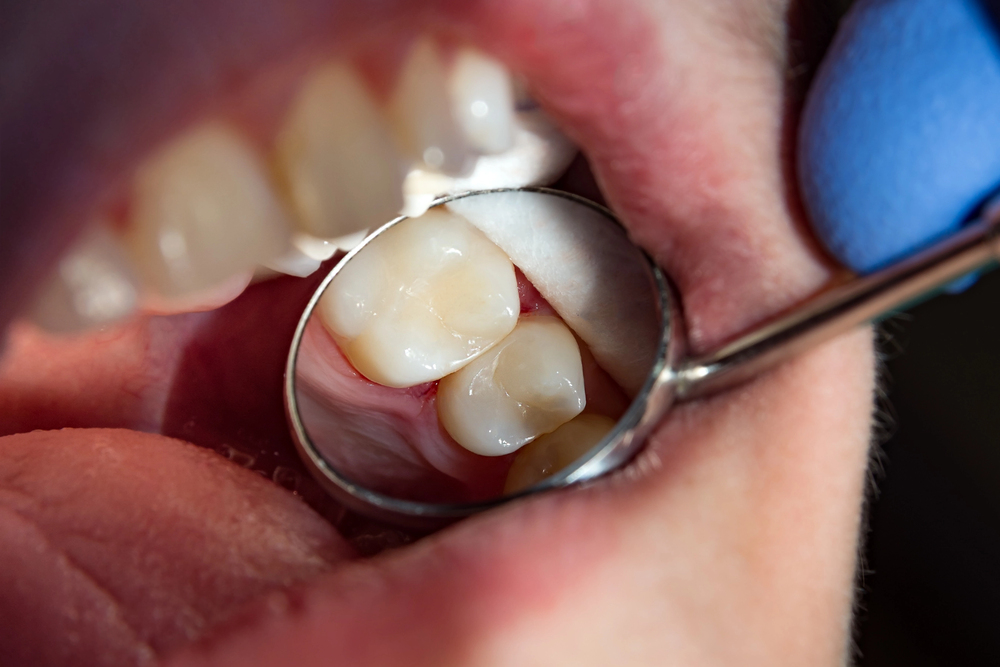
Dental fillings have long been an essential component of restorative dental care, allowing patients to restore function and aesthetics to damaged teeth. As technology advances, so do the materials and techniques used in dental fillings, and 2025 is poised to be a year of significant transformation in the field. Patients can expect a host of exciting developments that will improve both the effectiveness and the experience of receiving dental fillings. In this article, we’ll explore the top trends in dental fillings and what they mean for patients in 2025.
1. Advancements in Biocompatible Materials
One of the most notable trends in dental fillings is the increasing use of biocompatible materials. Biocompatibility refers to materials that are safe, non-toxic, and harmonious with the body. In recent years, dental professionals have moved away from traditional amalgam fillings, which contain mercury, and towards materials such as composite resins and ceramics that are not only more aesthetically pleasing but also safer for patients.
As we move toward 2025, the emphasis will be on using materials that are even more biocompatible. This includes the development of fillings made from bioactive materials, which can actively contribute to the healing of the tooth. For instance, bioactive resins release fluoride or calcium to promote remineralization, thus strengthening the tooth structure and reducing the risk of further decay. This will make dental fillings not only restorative but also preventative.
2. 3D Printing and Customization
The advent of 3D printing technology is revolutionizing the dental field, and dental fillings are no exception. In 2025, patients can expect more customized and precise fillings thanks to the ability to 3D print restorations. Dentists will be able to create fillings tailored specifically to the unique anatomy of a patient’s tooth, resulting in a better fit, less discomfort, and a more natural appearance.
3D printing also allows for the rapid production of dental fillings, reducing wait times and improving the overall patient experience. For example, if a patient requires a filling for a cavity, the dentist could design and print a custom restoration in a matter of hours, allowing the patient to receive treatment in a single visit rather than multiple appointments.
3. AI and Robotics in Dental Procedures
Artificial intelligence (AI) and robotics have already begun to play a role in dentistry, and their impact on dental fillings will continue to grow in the coming years. AI algorithms are increasingly being used to analyze X-rays and scans, helping dentists diagnose cavities and other dental issues with greater accuracy. This can ensure that fillings are placed at the optimal time, preventing further damage to the tooth.
Robotics, on the other hand, will help automate certain aspects of the filling process, allowing for more precision and consistency. This can be particularly beneficial in complex cases, where the dentist may need to fill hard-to-reach cavities. Robotics will also improve the efficiency of the procedure, reducing the time required for the patient and minimizing discomfort.
4. Faster, More Comfortable Procedures
As technology improves, so do the tools and techniques used to place dental fillings. One of the key trends for 2025 is the focus on making the filling process faster and more comfortable for patients. New advancements in laser dentistry and advanced sedation techniques will make dental procedures less invasive and more pain-free.
Lasers, for example, can be used to remove decay more precisely and with less discomfort compared to traditional methods. This will lead to quicker and less invasive filling procedures, allowing patients to return to their daily routines with minimal disruption. Additionally, new sedation methods are being developed to ensure that even the most anxious patients can undergo dental work without stress or pain.
5. Preventative Benefits: How Dental Fillings Can Promote Long-Term Health
An emerging trend in dental fillings is their ability to contribute to overall oral health and prevent future dental issues. Traditionally, dental fillings have been used to treat cavities and restore damaged teeth. However, with the development of advanced filling materials and techniques, fillings are now able to do more than simply fill a hole in a tooth—they can actively help protect the tooth from further decay.
For example, some fillings are designed to release fluoride or other minerals that strengthen the enamel of the tooth, reducing the likelihood of future cavities. Additionally, materials that better mimic the natural tooth structure can help reduce wear and tear on surrounding teeth, further contributing to long-term oral health. These fillings not only restore function and appearance but also help to preserve dental health for years to come.
6. Dental Health and Its Effect on Overall Health
As research continues to highlight the connection between oral health and overall health, it’s becoming increasingly clear that dental fillings do more than just maintain a healthy smile. Proper dental care, including the use of fillings, plays an important role in preventing the spread of oral infections that can affect other parts of the body.
For children, in particular, dental fillings can have a significant impact on their overall health. A child’s dental health directly affects their overall well-being, including their ability to eat, speak, and focus on daily activities. Cavities and untreated dental issues can lead to pain, infection, and even difficulties with school performance. By addressing dental problems early and using modern, effective fillings, parents can help ensure that their children’s teeth remain healthy, which in turn promotes their overall health and development.
7. Eco-Friendly and Sustainable Fillings
Sustainability is a growing trend across many industries, and dentistry is no exception. In 2025, more dentists will turn to eco-friendly materials for fillings, reducing the environmental impact of dental care. Materials such as bioplastics and recycled resins are becoming more common in dental fillings, offering patients an environmentally conscious choice without sacrificing quality or performance.
As awareness of environmental issues continues to rise, patients can expect to see more options for sustainable fillings that align with their values while maintaining the high standards of care and durability they expect from dental restorations.
The field of dental fillings is evolving rapidly, driven by advances in technology, materials, and patient care. In 2025, patients can expect faster, more comfortable, and more personalized filling procedures. Biocompatible materials, 3D printing, and AI will all contribute to a more effective and efficient treatment experience. Additionally, the growing understanding of how dental health affects the child’s overall health will continue to shape the way fillings are used in pediatric dentistry.
Whether you’re considering dental fillings for yourself or your child, the future looks bright. With these exciting trends on the horizon, patients can look forward to a more effective, comfortable, and sustainable approach to dental care.
Why Digital Smile Design is the Future of Cosmetic Dentistry
The field of cosmetic dentistry has witnessed remarkable advancements in recent years, with technology playing a pivotal role in shaping modern practices. Among these innovations, digital smile design (DSD) has emerged as a groundbreaking tool that transforms the way dental professionals approach smile makeovers. By combining artistry with cutting-edge technology, DSD is setting a new standard for patient care, precision, and aesthetics. But why is digital smile design being hailed as the future of cosmetic dentistry? Let’s delve deeper into its advantages and implications.
Understanding Digital Smile Design
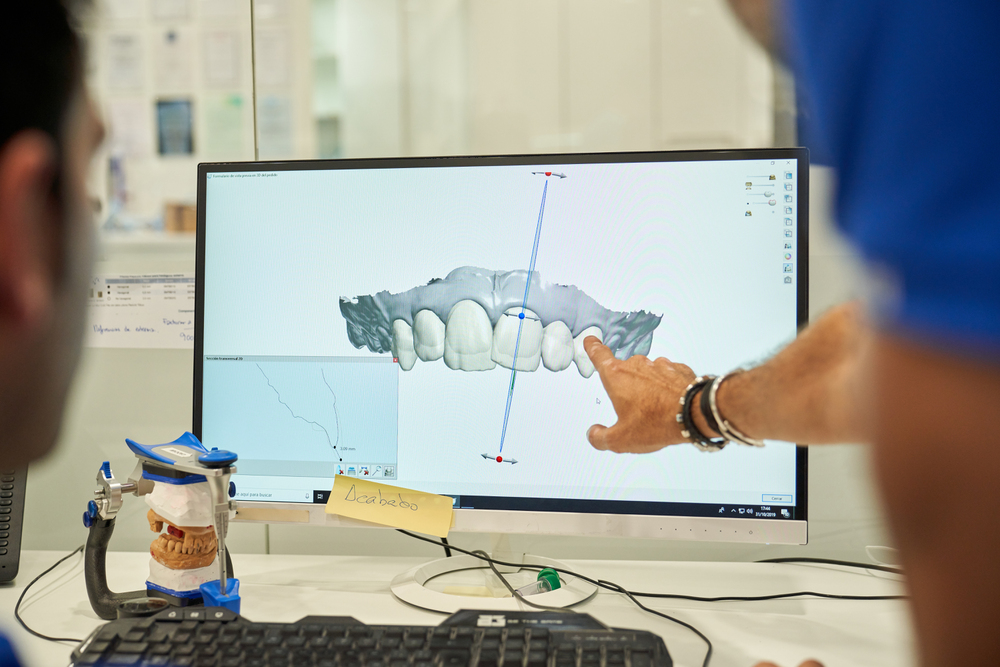
Digital smile design is a revolutionary concept that uses advanced imaging and software tools to create a customized roadmap for a patient’s smile transformation. It involves analyzing facial features, dental structure, and oral health to design a smile that harmonizes with the patient’s unique appearance. Unlike traditional methods, which often rely on physical molds and manual adjustments, DSD enables dental practitioners to visualize, plan, and execute treatments with unparalleled accuracy.
The process begins with high-resolution photographs, videos, and 3D scans of the patient’s face and teeth. These digital assets are then uploaded into specialized software, allowing dentists to manipulate the design virtually. This approach not only provides a clear visual representation of the expected outcome but also facilitates open communication between the dentist and the patient. Patients can preview their new smile and provide feedback, ensuring they are actively involved in the decision-making process.
Personalized Treatment Plans
One of the key reasons why digital smile design is revolutionizing cosmetic dentistry is its ability to create highly personalized treatment plans. Every patient’s face is unique, and their smile should reflect that individuality. DSD considers factors like facial symmetry, lip movement, and even emotional expressions to craft a smile that looks natural and complements the patient’s overall appearance.
For instance, a patient with a broad smile may require different proportions and contours than someone with a narrower dental arch. DSD enables dentists to tailor treatments to these specific needs, ensuring optimal results. This personalized approach not only enhances aesthetic outcomes but also boosts patient confidence and satisfaction.
Improved Accuracy and Predictability
Traditional smile design methods often involve a degree of guesswork, which can lead to unpredictable results. In contrast, DSD leverages technology to enhance precision. By using 3D imaging and simulation tools, dentists can visualize how treatments will affect a patient’s smile and overall facial aesthetics before any procedure begins.
This level of accuracy minimizes errors and reduces the need for adjustments during treatment. Additionally, the digital workflow streamlines communication between dental professionals and laboratories, ensuring that restorations such as veneers, crowns, and aligners are fabricated to exact specifications. The result is a more efficient process and a higher likelihood of achieving the desired outcome on the first attempt.
Enhanced Patient Experience
A significant advantage of digital smile design lies in its ability to enhance the patient experience. Many individuals seeking cosmetic dentistry are anxious about the potential results, as traditional methods often leave them uncertain about the final appearance. With DSD, patients can see a digital preview of their new smile before any physical changes are made. This visual representation fosters trust and confidence in the treatment plan.
Moreover, the collaborative nature of DSD ensures that patients feel heard and valued. Dentists can incorporate patient preferences into the design, addressing concerns and aligning the final result with their expectations. This patient-centered approach not only improves satisfaction but also strengthens the dentist-patient relationship.
Integration with Holistic Oral Health
While DSD focuses primarily on aesthetics, it also emphasizes the importance of overall oral health. Cosmetic dentistry procedures often require a strong foundation of healthy teeth and gums to achieve long-lasting results. Proper hygiene is key to a healthy mouth and body, and DSD integrates this principle into its methodology.
Before beginning a smile makeover, dentists assess the patient’s oral health to address any underlying issues such as cavities, gum disease, or misalignment. By prioritizing oral health alongside aesthetics, DSD ensures that the final outcome is not only beautiful but also sustainable. This holistic approach underscores the connection between oral hygiene and overall well-being, encouraging patients to adopt better habits for long-term success.
Sustainability and Efficiency
Digital smile design aligns with the growing demand for sustainable and efficient dental practices. The digital workflow reduces the need for physical materials such as molds and models, minimizing waste and environmental impact. Additionally, the precision of digital tools decreases the likelihood of errors, reducing the need for repeat procedures and conserving resources.
Furthermore, DSD saves time for both patients and practitioners. With accurate simulations and efficient communication, treatments are often completed faster than with traditional methods. This streamlined process is particularly beneficial for busy patients seeking quick yet effective solutions.
The Future of Cosmetic Dentistry
As technology continues to advance, digital smile design is poised to play an even greater role in the future of cosmetic dentistry. Emerging innovations such as artificial intelligence and augmented reality are expected to enhance DSD capabilities, making smile transformations even more personalized and precise. AI-driven algorithms could analyze patient data to suggest optimal treatment plans, while augmented reality tools might allow patients to “try on” their new smile in real-time.
Moreover, the accessibility of DSD is likely to increase as the technology becomes more widespread. This democratization of advanced cosmetic dentistry tools will enable more patients to benefit from its advantages, bridging the gap between cutting-edge innovation and everyday dental care.
Digital smile design is not just a technological advancement; it represents a paradigm shift in cosmetic dentistry. By prioritizing precision, personalization, and patient engagement, DSD is setting a new standard for smile makeovers. It seamlessly integrates aesthetics with oral health, reinforcing the vital role that proper hygiene plays in maintaining a healthy mouth and body. As the future of cosmetic dentistry unfolds, digital smile design will undoubtedly remain at the forefront, transforming smiles and lives with its innovative approach.
Early Orthodontic Intervention: Why Kids as Young as 7 May Need an Evaluation
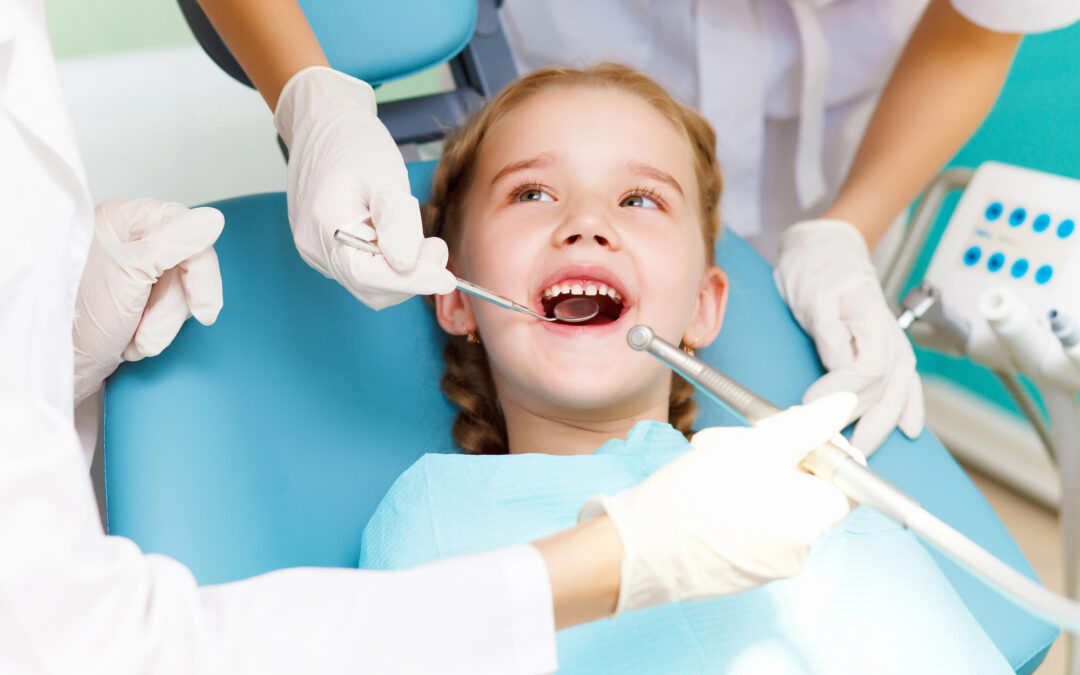
Orthodontics has come a long way in improving smiles, boosting confidence, and enhancing oral health. While many people associate braces and aligners with teenagers, early orthodontic evaluations in childhood can play a crucial role in preventing or mitigating dental issues later in life. In fact, the American Association of Orthodontists (AAO) recommends that children undergo their first orthodontic evaluation by the age of seven. But why so early? Let’s explore the benefits and importance of early orthodontic intervention and how it ties into overall early childhood dental care.
The Foundation of Early Childhood Dental Care
Early childhood dental care is the cornerstone of maintaining oral health and setting the stage for a lifetime of healthy smiles. From the moment a child’s first tooth erupts, typically around six months of age, parents are encouraged to prioritize oral hygiene and regular dental checkups. By the time a child reaches the age of seven, a combination of baby teeth, permanent teeth, and jaw development provides an opportunity for orthodontists to assess potential issues. This early assessment can help identify problems such as:
– Crowded or misaligned teeth
– Bite issues, such as overbite, underbite, or crossbite
– Jaw growth discrepancies
– Prolonged thumb-sucking habits or other oral behaviors affecting dental health
Orthodontics is not just about aesthetics; it’s about function and long-term oral health. Early orthodontic evaluations ensure that problems are addressed promptly, preventing more severe complications in the future.
Why Age Seven?
By age seven, a child’s mouth is at a unique developmental stage. At this age, children typically have a mix of primary (baby) teeth and permanent teeth, which allows orthodontists to identify potential alignment and bite issues. Additionally, the jaw is still growing, which makes it more malleable and responsive to orthodontic treatments. Early detection of problems enables orthodontists to create a personalized treatment plan that can guide the growth and development of teeth and jaws effectively.
Benefits of Early Orthodontic Intervention
1. Guiding Jaw Growth
Early orthodontic treatments can help guide the growth of the jaw, ensuring that it’s properly aligned. For example, if a child’s upper jaw is too narrow, orthodontic devices like expanders can be used to widen it. This reduces the likelihood of more invasive treatments, such as jaw surgery, later in life.
2. Reducing the Risk of Tooth Extraction
By addressing issues like crowding early on, orthodontists can create more space for permanent teeth to emerge properly. This reduces the need for extracting teeth during teenage years to correct overcrowding.
3. Correcting Harmful Habits
Prolonged thumb-sucking or tongue-thrusting can lead to bite problems and misaligned teeth. Early intervention can help children break these habits and minimize their impact on oral development.
4. Improving Speech Development
Misaligned teeth or improper jaw positioning can sometimes affect a child’s ability to articulate certain sounds. Orthodontics can correct these issues, improving speech clarity.
5. Boosting Confidence
Dental issues can affect a child’s self-esteem. Early intervention can enhance their smile and build confidence during formative years.
6. Preventing Future Dental Problems
Misaligned teeth and improper bites can lead to problems like tooth decay, gum disease, and jaw pain. Addressing these issues early can save time, money, and discomfort in the future.
What to Expect During an Early Orthodontic Evaluation
An early orthodontic evaluation is a simple, non-invasive process. During the initial consultation, the orthodontist will:
- Examine the child’s teeth, gums, and jaw to identify any signs of misalignment or bite issues.
- Take X-rays to get a detailed view of the teeth and jaw structure.
- Discuss the child’s oral habits, such as thumb-sucking or teeth grinding, and their potential impact.
- Provide a personalized treatment plan if necessary, which may include monitoring the child’s growth, using space maintainers, or initiating phase-one orthodontic treatment.
Phase-one treatment, also known as interceptive orthodontics, typically begins when a child still has a mix of baby and permanent teeth. Common treatments include expanders, partial braces, or other appliances designed to address specific issues.
Myth-Busting: “Isn’t It Too Early for Braces?”
A common misconception among parents is that orthodontic treatments are only for teenagers. While it’s true that many treatments, such as full braces, are often started during the teen years, early orthodontic intervention focuses on preventing or minimizing problems before they become severe. In many cases, early treatments can shorten or simplify the orthodontic process later on.
Partnering with Your Orthodontist for Long-Term Success
Orthodontics is a collaborative process, and early childhood dental care sets the foundation for successful outcomes. Parents play a critical role in ensuring that children maintain good oral hygiene, attend regular dental checkups, and follow the orthodontist’s recommendations. Encouraging children to develop positive attitudes toward dental care early in life will make orthodontic treatments smoother and more effective.
Early orthodontic intervention is an essential component of early childhood dental care. Evaluating a child’s orthodontic needs by age seven allows for proactive treatment that can guide jaw growth, correct bite issues, and prevent future complications. By addressing these concerns early, parents can help their children achieve not only a beautiful smile but also a lifetime of healthy oral habits. If your child is approaching the age of seven or has never had an orthodontic evaluation, now is the perfect time to consult with a trusted orthodontist. A small step today can lead to significant benefits for their oral health and overall well-being.
Smile Makeovers: Personalized Tooth Restoration for Women
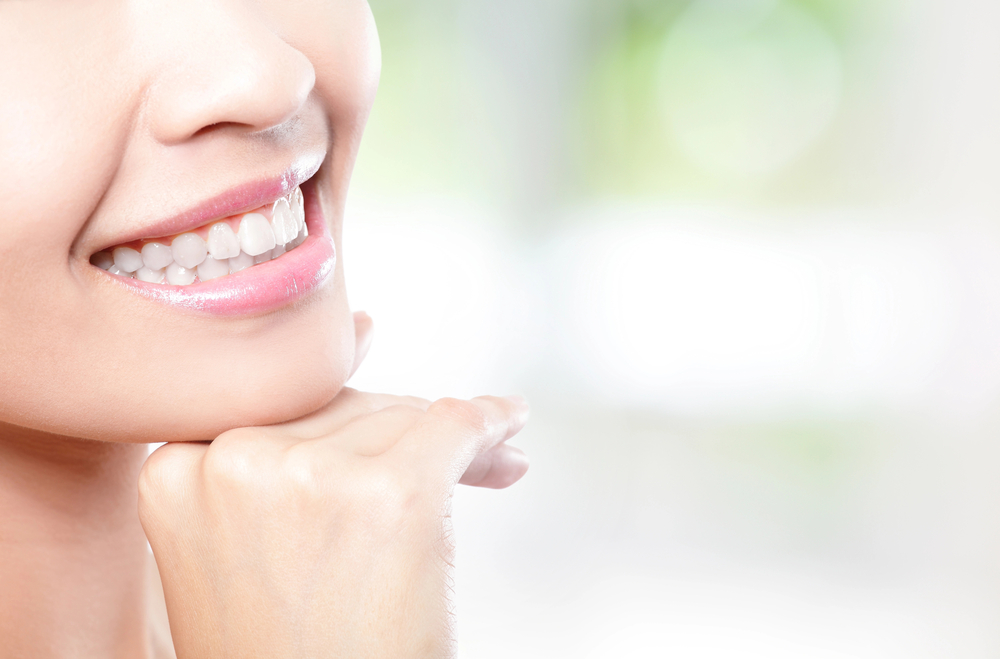
A self-assured smile has the power to illuminate a space and create a memorable impression. For women, a beautiful smile often represents more than just aesthetics; it’s a reflection of health, confidence, and vitality. The most recent developments in dentistry and improvements in restoring teeth have made it easier than ever to get the ideal smile. This article explores how personalized tooth restoration is transforming smile makeovers for women.
The Importance of Personalized Tooth Restoration
Tooth restoration is a broad term encompassing various dental procedures designed to repair or replace damaged, decayed, or missing teeth. For women, the significance of personalized tooth restoration lies in its ability to cater to individual needs, preferences, and lifestyles. From color matching to ensure natural aesthetics to designing teeth restorations that suit a woman’s facial structure, the personalization aspect ensures that every smile makeover feels uniquely hers.
Women’s dental health needs often differ from men’s due to factors like hormonal changes during pregnancy, menopause, or certain medical conditions. Personalized tooth restoration addresses these specific challenges, providing not only aesthetic improvements but also long-term oral health solutions.
Latest Trends in Dentistry for Smile Makeovers
The field of dentistry is continuously evolving, offering innovative solutions for tooth restoration that make smile makeovers more efficient, durable, and aesthetically pleasing. Here are some of the latest trends in dentistry that are shaping personalized smile makeovers for women:
1. Digital Smile Design (DSD)
Digital Smile Design uses advanced imaging technology to create a virtual model of the patient’s new smile. This tool allows women to visualize their smile makeover before any procedures begin. Dentists can make precise adjustments to ensure the final results meet expectations.
2. 3D Printing in Dentistry
3D printing is revolutionizing tooth restoration by enabling the creation of highly precise dental prosthetics such as crowns, bridges, and veneers. The technology reduces production time and ensures a perfect fit, enhancing comfort and functionality.
3. Minimally Invasive Procedures
Women often prefer minimally invasive dental procedures that preserve natural tooth structure while delivering excellent results. Techniques like no-prep veneers and adhesive bonding align with this preference, providing effective tooth restoration with minimal discomfort and downtime.
4. Biomimetic Dentistry
Biomimetic dentistry focuses on preserving and mimicking natural tooth structure. This approach uses materials and techniques that replicate the strength, flexibility, and appearance of natural teeth, ensuring long-lasting and aesthetically pleasing results.
5. Teeth Whitening Innovations
Advanced teeth whitening systems, including laser treatments and custom at-home kits, are now safer and more effective. These innovations complement tooth restoration procedures, ensuring a harmonious and radiant smile.
Popular Tooth Restoration Procedures for Women
A variety of tooth restoration procedures can be tailored to meet women’s unique needs. Some of the most popular options include:
– Dental Veneers: Weak, specially crafted shells that enhance the visual appeal of teeth by protecting their front surfaces. Women who want to fix gaps, cracks, or discolouration can consider veneers.- Dental Implants: A long-lasting solution for missing teeth, dental implants offer unparalleled stability and a natural look.
– Composite Bonding: A cost-effective option for repairing minor imperfections like chips or cracks. The resin is matched to the tooth’s natural color for seamless results.
– Crowns and Bridges: These restorations are commonly used for more extensive tooth damage or replacement, offering durability and aesthetic appeal.
– Inlays and Onlays: These are sometimes referred to as partial crowns, and they are placed on teeth that are badly decayed for restorations but not sufficiently damaged for complete crowns.
The Psychological Impact of a Smile Makeover
The benefits of personalized tooth restoration extend beyond physical appearance. After having a smile redesign, many women report feeling much more comfortable and confident. A radiant smile can enhance social interactions, improve professional opportunities, and contribute to overall well-being.
According to research, those who have gorgeous appearance, healthy grins are frequently seen as more successful and friendly. For women, this can have profound effects, helping them feel more empowered in both personal and professional settings.
How to Choose the Right Dentist for Your Smile Makeover
Selecting the right dentist is a crucial step in achieving the best results from your smile makeover. Here are some tips:
1. Look for Expertise: Choose a dentist with extensive experience in cosmetic and restorative dentistry. Check their qualifications and ask to see before-and-after photos of previous patients.
2. Prioritize Communication: A good dentist will take the time to understand your goals and explain the available options. They should involve you in the planning process to ensure your expectations are met.
3. Check Reviews: Patient testimonials can provide valuable insights into the dentist’s skills, professionalism, and patient care.
4. Technology Matters: Opt for a dental practice that embraces the latest trends in dentistry, such as digital imaging and 3D printing, to ensure the highest quality results.
Personalized tooth restoration is redefining smile makeovers for women, combining advanced technology with tailored care to deliver stunning results. From addressing specific dental health needs to incorporating the latest trends in dentistry, the journey to a perfect smile has never been more exciting.
Whether you’re looking to correct imperfections, restore functionality, or simply enhance your natural beauty, tooth restoration offers a world of possibilities. By choosing the right procedures and partnering with an experienced dentist, you can achieve a smile that not only looks amazing but also reflects your unique personality and style,