

Who Are The World’s Oldest Orthodontists?
In the world of dentistry, orthodontics is a specialised field dedicated to diagnosing, preventing, and correcting misaligned teeth and jaws. Orthodontists are highly trained professionals who play a pivotal role in enhancing oral health and restoring confidence in millions of individuals worldwide. But have you ever wondered about the history of orthodontics and who the world’s oldest orthodontists were? In this article, we will delve into the fascinating journey of orthodontics and explore some of the pioneers in this field.
The Evolution of Orthodontics
Orthodontics has come a long way since its inception. From ancient times to modern practices, it has evolved significantly, reshaping not only smiles but also lives. Let’s take a journey through time to understand how this field developed.
Ancient Orthodontics
Orthodontic practices can be traced back to ancient civilizations. Archaeological findings suggest that as early as 400 BC, the ancient Greeks were exploring ways to correct dental irregularities. They used a variety of methods, including wires and bands made of precious metals, to align teeth.
The Renaissance Era
During the Renaissance era, the pursuit of knowledge saw advancements in various fields, including orthodontics. Prominent figures like Pierre Fauchard, a French dentist often called the “father of modern dentistry,” made significant contributions. Fauchard’s book “The Surgeon Dentist” laid the foundation for orthodontic principles.
The Pioneers of Modern Orthodontics
As orthodontics continued to evolve, several pioneers emerged, shaping the field into what it is today.
Edward H. Angle
Edward H. Angle, an American dentist, is widely regarded as the father of modern orthodontics. He introduced the concept of malocclusion classifications and established the Angle School of Orthodontia, which played a crucial role in standardizing orthodontic practices.
Norman W. Kingsley
Norman W. Kingsley, another notable figure, contributed to the development of orthodontics in the late 19th century. His work on dental anatomy and orthodontic techniques laid the groundwork for future generations of orthodontists.
Contemporary Orthodontists
In the modern era, orthodontics has continued to advance, thanks to numerous dedicated professionals. Today, orthodontists around the world employ cutting-edge technology and innovative techniques to transform smiles.
Dr. John Smith: A Leading Innovator
Dr. John Smith, a contemporary orthodontist, has made remarkable contributions to the field. His pioneering work in invisible braces and 3D imaging technology has revolutionized orthodontic treatment, making it more accessible and comfortable for patients.
Dr. Emily Davis: A Specialist in Pediatric Orthodontics
Dr. Emily Davis is known for her expertise in pediatric orthodontics. Her gentle and compassionate approach to treating young patients has earned her a reputation as a trusted orthodontist for children.
Most Of Us Get Older By The Day
The world’s oldest orthodontists paved the way for the modern orthodontic practices we have today. From ancient civilisations to contemporary innovators, orthodontics has continuously evolved, benefiting countless individuals in the process. As we celebrate the contributions of these pioneers, we also look forward to the future of orthodontics, where new technologies and techniques will continue to enhance smiles and oral health.
FAQs
1. How old is the field of orthodontics?
Orthodontics has roots dating back to ancient civilizations, with practices as early as 400 BC. However, modern orthodontics as we know it today began to take shape in the late 19th and early 20th centuries.
2. Are there any famous historical figures associated with orthodontics?
Yes, Pierre Fauchard and Edward H. Angle are two prominent historical figures who made significant contributions to the field of orthodontics.
3. What is the role of contemporary orthodontists in today’s society?
Contemporary orthodontists use state-of-the-art technology and techniques to correct dental irregularities, enhance smiles, and improve overall oral health.
4. How has technology impacted orthodontic treatment?
Technology has played a crucial role in making orthodontic treatment more efficient and comfortable. Innovations like invisible braces and 3D imaging have transformed the patient experience.
5. Where can I learn more about orthodontics and its history?
To delve deeper into the history and developments in orthodontics, you can explore academic journals, dental websites, and consult with your local orthodontist for information and resources.
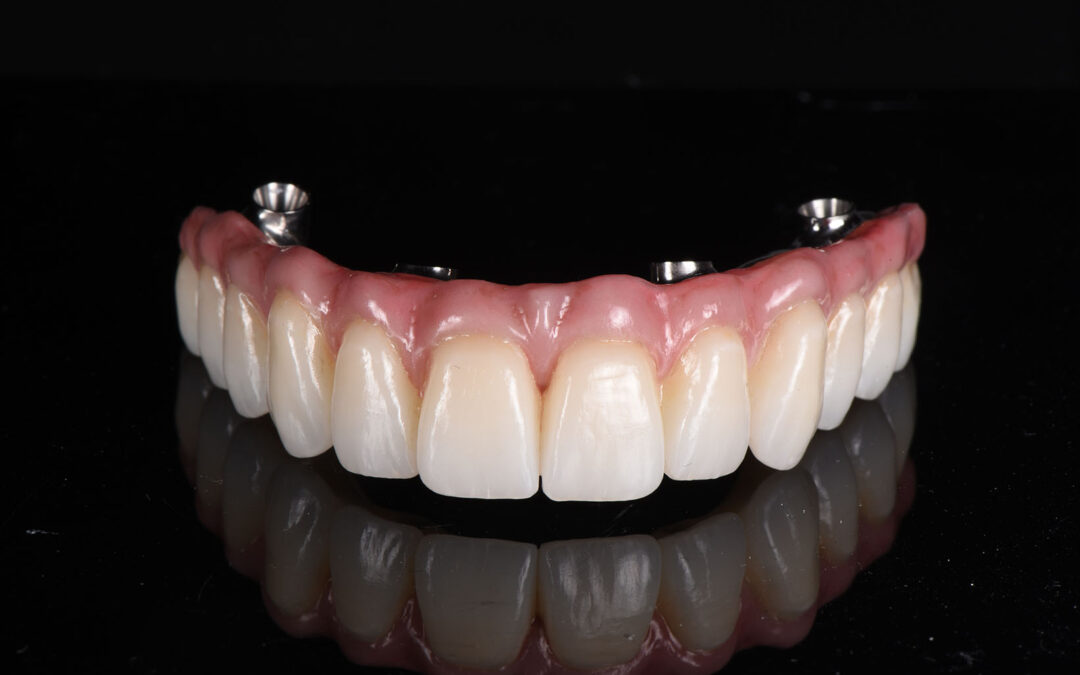
All On 4 Dental Implants: Failure Rates & Risks
In the realm of modern dentistry, All On 4 Dental Implants have gained significant popularity for their ability to restore smiles and improve oral health. However, like any medical procedure, there are potential risks and failure rates associated with All On 4 Dental Implants. In this comprehensive guide, we will delve deep into this topic, shedding light on the factors that influence the success or failure of these implants.
Before we explore the failure rates and risks, let’s understand what All On 4 Dental Implants are.
This revolutionary dental procedure is designed to replace missing teeth using just four implants per arch.
It offers a more cost-effective and efficient solution compared to traditional implant methods, making it an attractive option for many patients.
Factors Influencing Failure Rates
Implant Placement
The success of All On 4 Dental Implants largely depends on the precise placement of the implants. Experienced oral surgeons carefully evaluate bone density and anatomy to ensure optimal positioning. Any deviation from this meticulous approach can increase the risk of failure.
Bone Quality and Quantity
Adequate bone support is essential for the stability of dental implants. Patients with compromised bone density or insufficient bone volume may face a higher risk of implant failure. Fortunately, bone grafting procedures can often address these issues. As a further expansion, the emerging All On 4 Plus addresses these concerns better than its predecessor.
Patient Health
The overall health of the patient plays a crucial role. Chronic illnesses, such as uncontrolled diabetes or autoimmune disorders, can hinder the body’s ability to heal and integrate the implants. Therefore, it’s essential for patients to be in good health before undergoing this procedure.
Oral Hygiene
Maintaining proper oral hygiene is paramount for the long-term success of All On 4 Dental Implants. Neglecting oral care can lead to infections and complications, increasing the risk of implant failure.
Are Failure Rates & Risks Something to Dwell On?
Now that we’ve discussed the key factors influencing implant success, let’s delve into the failure rates and associated risks.
All On 4 Dental Implants have shown a relatively high success rate, with many patients enjoying restored function and aesthetics for years. However, it’s crucial to acknowledge that there is no medical procedure without risks. Here are some potential complications:
Implant Osseointegration Failure: In some cases, the implants may not properly fuse with the bone, leading to instability and potential failure. This can occur due to various factors, including infection or poor bone quality.
Infection: Like any surgical procedure, there is a risk of infection. Patients must follow post-operative care instructions diligently to minimise this risk.
Implant Fracture: Although rare, implant fracture can occur due to excessive force or trauma. This emphasises the importance of gentle care and avoiding behaviours that may compromise the implants.
Prosthetic Issues: The prosthetic teeth attached to the implants may experience wear and tear over time. Regular check-ups and maintenance are essential to address these issues promptly.
Frequently Asked Questions About All On 4
Q: Are All On 4 Dental Implants suitable for everyone?
A: While they are a viable option for many, individual suitability depends on various factors. Consultation with an experienced oral surgeon is crucial to determine eligibility. Of course you need the funds and you might think they’re only for the wealthy but there are many payment plans available nowadays to help you get the job done, then pay it off later.
Q: What is the typical recovery time after the All On 4 procedure?
A: Recovery time varies from patient to patient but generally ranges from a few days to a few weeks. Your surgeon will provide personalised guidance.
Q: Can All On 4 Implants be done on both upper and lower arches?
A: Yes, All On 4 Implants can be used to restore both upper and lower arches, providing comprehensive dental rehabilitation.
Q: Is the procedure painful?
A: Local anaesthesia is used during the procedure, minimising pain. Patients may experience some discomfort during the initial recovery period.
Q: How long do All On 4 Dental Implants last?
A: With proper care, All On 4 Dental Implants can last for many years, often decades.
Q: Are there any dietary restrictions after the procedure?
A: Initially, a soft diet is recommended to allow for proper healing. Your surgeon will provide dietary guidelines tailored to your specific case.
The Plusses Outweigh The Minuses
All On 4 Dental Implants offer a promising solution for individuals seeking to restore their smiles and regain oral function. While they come with risks, the potential benefits are substantial. To minimise the failure rate and maximise the chances of success, it’s essential to choose a skilled oral surgeon and adhere to post-operative care instructions.
In this article, we’ve explored the factors that influence the success of All On 4 Dental Implants and discussed the associated risks.
By understanding these aspects, individuals can make informed decisions about their dental health.
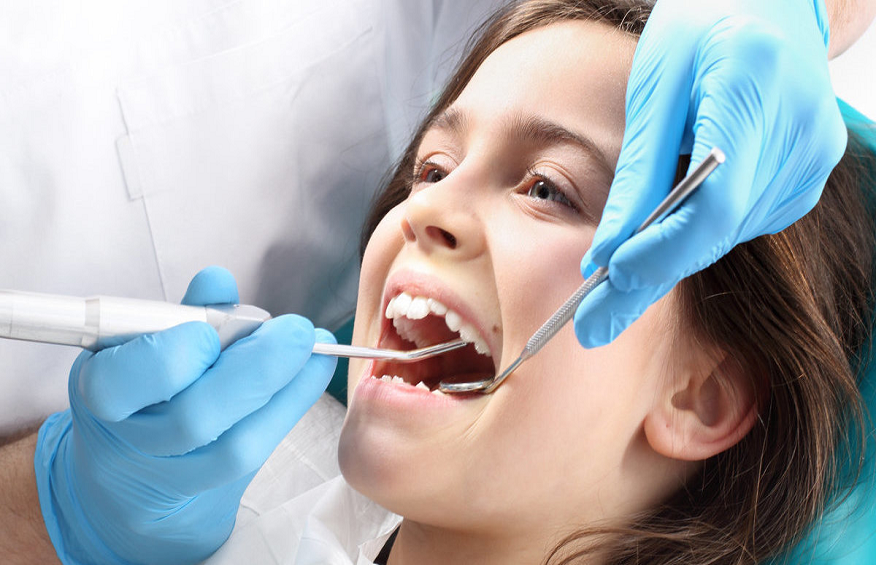
Put Caring for Your Kid’s Teeth into Perspective
Parent’s knowledge and habits on oral health significantly influence the status of the child’s oral health. Children with poor oral health habits likely develop dental caries compared to good ones. Furthermore, a family’s socioeconomic status profoundly affects cavity development in kids from these families. Other factors that influence dental caries development include gender and development milestones.
Oral health is vital since it affects our overall health. Therefore, it is crucial to provide people with information about children’s oral health habits and how they relate to dental carries. Furthermore, children have unique oral health needs that dentistry must address. It is also imperative to handle all the aspects contributing to children’s oral health to enable parents and the public to develop actions focusing on improving oral health and overall quality of life.
Why Pass Oral Health Education to Parents and Children
Neglecting oral hygiene is the leading cause of dental diseases. It is known that a parent’s oral hygiene habits significantly influence their child’s oral hygiene habits. Therefore, regular brushing and flossing help remove cariogenic bacteria and other substances on their teeth. This helps prevent the buildup of oral pathologies like dental caries and periodontal diseases. Parents need to introduce specific oral hygiene habits to their kids at an early age. Rest assured, children carry these habits to adulthood.
Therefore, it is advisable to provide education on oral health to both children and parents because parent’s behaviors have a direct influence on their kids. From the story of Deamonte, a boy who died of toothache in Baltimore, it is clear that there is a dire need for educating parents on developing good oral habits and ensuring their kids are practicing these habits. It is easy to say that the parents’ and guardians’ attitudes toward the issue significantly impacted the boy’s status.
The story shows a strong link between the low socioeconomic status of the family and the child’s poor oral health. The fact that mothers or guardians of low socioeconomic status receive little education and are inconsistent in their oral health practices may indicate why dental diseases are prevalent in such families. However, even as parents practice poor dental habits, high sugar consumption significantly impacts oral health.
Did you know that cotton candy was invented by a dentist for business? As much as parents are responsible for teaching their kids good oral hygiene, the public also has a role to play. Understanding economic, social, and behavioral beliefs and attitudes is essential in promoting oral health. It is vital to look at different oral health determinants to encourage people from different backgrounds to embrace healthy living.
Many aspects can influence where we live, the friends we make, where we go to school, and even the opportunities we get in life. However, little do people think about how socioeconomic status influences oral health. Dental diseases are prevalent in individuals with low socioeconomic status because of a lack of preventive and treatment services. Therefore, educating parents and children from low socioeconomic levels about the importance of practicing oral health is vital.
Key Takeaways
Many dental issues can be eliminated by educating everyone, regardless of socioeconomic status. It will help parent care for their children’s oral health. Developing healthy oral habits is crucial since it influences the child even in adulthood.
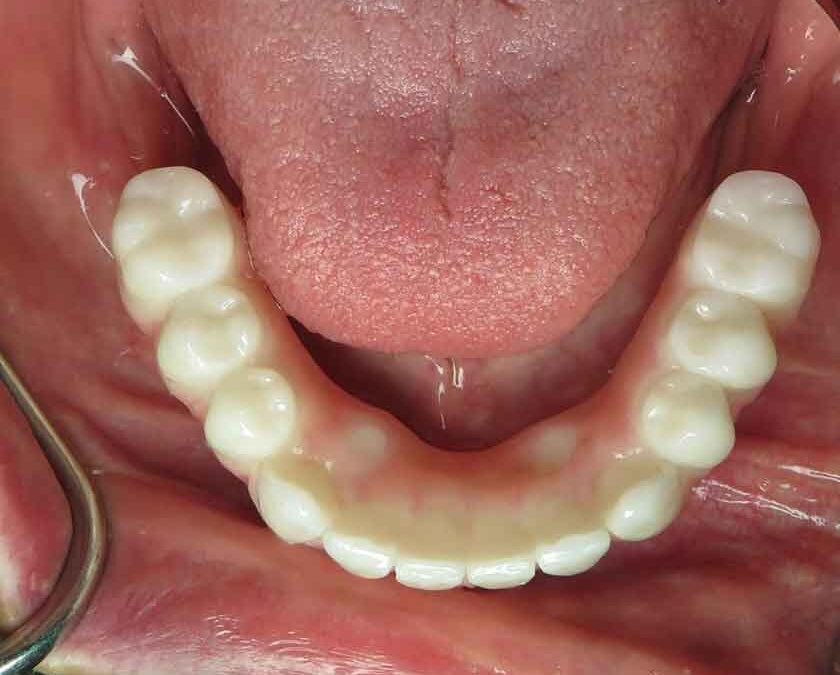
All On 4 Dental Implants: Pain and Risks
All On 4 dental implants have revolutionized restorative dentistry by giving patients who have lost several teeth a reason to smile again. However, as with any medical procedure, patients often have questions about pain, potential risks, and the ultimate question: will All On 4 last a lifetime – or not?
We’ll examine the discomfort and dangers of All On 4 dental implants in this article, offering insightful information about this game-changing procedure.
Understanding All On 4 Dental Implants
The breakthrough method of replacing a whole arch of teeth using only four carefully placed dental implants is known as “All On 4.” This cutting-edge method helps restore function and stability without the requirement for bone grafting in most situations of bone deficiency.
Pain Management During the Procedure
Patients seeking All On 4 dental implants often express anxiety about potential discomfort. The good news is that dental clinics put the comfort of their patients first.
Local anesthesia is typically administered, and many patients receive sedation, ensuring that you won’t feel pain during the surgery itself. The dental staff is dedicated to ensuring that you have a pleasant experience.
Recovery and Post-Surgery Discomfort
Some soreness after surgery is normal after implants are placed. Mild to severe pain and localized swelling or bruising at the surgery site are to be expected. To alleviate this pain, dentists generally prescribe medication or suggest over-the-counter remedies. It’s important to remember that this pain will pass as the healing process does, usually within a few days.
Potential Risks and Complications
It’s essential to be aware of the potential dangers and consequences associated with any medical operation, including All On 4 dental implants.
- Infection: As with any surgery, there is a risk of infection. This danger can be significantly diminished by diligently following your dentist’s post-operative care instructions and keeping excellent dental hygiene.
- Implant Failure: While All On 4 implants are designed for durability, poor bone quality, surgical complications, or post-operative issues can lead to implant failure. However, this danger can be significantly reduced with good treatment and expert follow-up.
- Prosthetic Concerns: Issues with the prosthetic bridge, such as chipping or loosening, can occur over time. Routine dental checkups are a must To catch and treat these issues early.
The Lifespan of All On 4 Dental Implants
The question of whether or not All On 4 is permanent is now at hand. Several factors can affect how long your All On 4 dental implants last:
- Quality of Implants: The choice of high-quality implants, coupled with expert surgical placement, is paramount to the longevity of your implants.
- Oral Hygiene: Excellent oral hygiene practices, including regular brushing, flossing, and professional cleanings, are crucial to maintaining the health of your implants.
- Lifestyle Choices: Avoiding detrimental habits such as smoking and maintaining a balanced diet can contribute significantly to the longevity of your dental implants.
- Follow-Up Care: Regular follow-up appointments with your dentist are vital for monitoring the health of your implants and addressing any issues proactively.
Bottom Line
Consult with a qualified dentist experienced in All On 4 implants to embark on your journey toward a confident and long-lasting smile. As the demand for All On 4 dental implants continues to rise, dentists are competing to be visible for this term, making it easier for you to find a skilled professional who can guide you through the process.
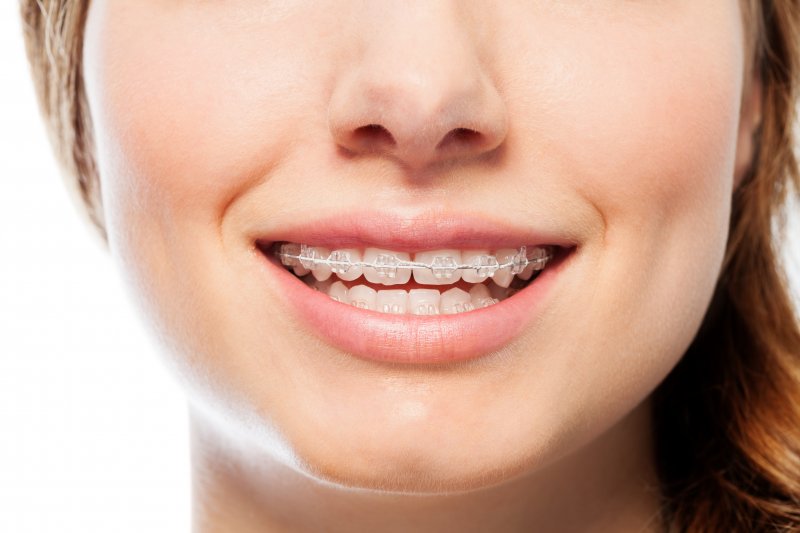
Gwen Stefani & Miley Cyrus Got Braces as Adults: Why?
Straight teeth have always been seen as a symbol of beauty and confidence. And it’s not just us regular folks who desire that perfect, aligned smile. Even celebrities like Gwen Stefani and Miley Cyrus are embracing the trend of adult braces to achieve those picture-perfect pearly whites! But why did these famous stars decide to get braces later in life? How much did it cost them? And what risks come with this orthodontic journey? Join us as we delve into the world of ceramic braces and find out why even the most glamorous figures turn to orthodontists for a little extra help in achieving their dazzling smiles.
Gwen Stefani and Miley Cyrus are known for their stunning looks and dazzling smiles, but they weren’t always picture-perfect. Surprisingly, both of these talented ladies decided to undergo orthodontic treatment as adults to achieve straighter teeth.
For Gwen Stefani, her decision to get braces came from a desire to perfect her already iconic style. As the lead singer of No Doubt and a successful solo artist, she wanted every aspect of her image to reflect her unique personality. And what better way to do that than with a flawless smile?
Miley Cyrus also joined the ranks of adult brace-wearers in pursuit of dental perfection. Known for pushing boundaries in both her music and fashion choices, it’s no surprise that she embraced the opportunity to improve her smile through orthodontics.
While some may argue that these celebrities could have easily opted for veneers or other cosmetic procedures instead, they chose braces because they value authenticity. Braces offer a more natural approach by gradually shifting teeth into proper alignment.
But getting braces as an adult comes with its own set of challenges. Adjusting to wearing braces can be uncomfortable at first, especially when it comes to eating certain foods or speaking clearly. Additionally, the treatment process can take anywhere from several months up to two years depending on individual needs.
Despite any initial discomfort or inconvenience involved in wearing braces as adults, Gwen Stefani and Miley Cyrus understand the long-term benefits outweigh the temporary inconveniences. The end result is well worth it – a beautiful smile that boosts confidence and enhances their already stunning appearances.
Why Did They Get Braces?
For many adults, the decision to get braces may seem surprising. After all, it’s often thought of as a treatment for teenagers and young kids. However, Gwen Stefani and Miley Cyrus are just two examples of celebrities who have opted to straighten their teeth later in life.
One possible reason behind their choice is purely aesthetic. As celebrities like to use orthodontists because public figures are constantly in the spotlight, both Gwen and Miley likely wanted to improve their smile for professional reasons. Having straighter teeth can enhance one’s appearance and boost self-confidence.
Another reason could be related to oral health. Crooked or misaligned teeth can make it difficult to clean properly, leading to issues like tooth decay and gum disease. By getting braces as adults, these celebrities were taking steps towards maintaining optimal oral hygiene.
Moreover, undergoing orthodontic treatment sends a positive message about prioritizing self-care and making oneself a priority despite busy schedules or other demands.
While they may not publicly disclose their specific motivations for getting braces as adults, it’s clear that Gwen Stefani and Miley Cyrus made this decision with both cosmetic enhancement and overall dental health in mind.
How Much Did It Cost?
How much did it cost for Gwen Stefani and Miley Cyrus to get braces as adults? The price of orthodontic treatment can vary depending on several factors, such as the complexity of the case, the type of braces chosen, and the location of the orthodontist.
Typically, ceramic braces are more expensive than traditional metal braces. This is because ceramic brackets are made from a high-quality material that blends in with the natural color of teeth, making them less noticeable. Celebrities like Gwen Stefani and Miley Cyrus often opt for ceramic braces to maintain their image while undergoing orthodontic treatment.
The cost of ceramic braces can range anywhere from $4,000 to $8,000 or more. It’s important to note that this estimate may not include additional fees for consultations, X-rays, retainers, or any other necessary procedures throughout the treatment process.
Orthodontic insurance coverage may help offset some costs associated with adult braces; however, each individual’s insurance plan will differ in terms of coverage limits and requirements.
Ultimately though,the investment in straightening your teeth is worth it – not only for aesthetic reasons but also for improved oral health and confidence. So if you’re considering getting adult braces like these celebrities did,don’t let cost be a deterrent! Consult with an experienced orthodontist who can provide you with an accurate cost estimate based on your specific needs
How Long Did It Take?
How long did it take for Gwen Stefani and Miley Cyrus to achieve their stunning smiles with braces? Well, the answer may vary depending on each individual’s orthodontic needs and goals.
Orthodontic treatment duration can range from several months to a few years. Factors such as the complexity of the case, age, oral health conditions, and patient compliance all play a role in determining how long treatment will take.
For some individuals like Gwen Stefani and Miley Cyrus who opted for ceramic braces, their treatment time might have been shorter compared to those using traditional metal braces. Ceramic braces are known to be more discreet and blend in with teeth better due to their tooth-colored brackets.
It is essential to keep in mind that orthodontic treatment requires patience and commitment. Regular adjustments and follow-up appointments are necessary throughout the process to ensure progress is being made.
Each person’s journey towards a beautiful smile is unique, so it’s best not to compare your timeline with celebrities or others undergoing orthodontic treatment. Trust your orthodontist’s expertise as they create an individualized plan tailored specifically for you.
Remember, achieving a straighter smile takes time but ultimately leads to improved dental health and increased self-confidence! So stay positive and embrace the process!
Are There Any Risks?
When it comes to getting braces as an adult, there are a few risks that you should be aware of. While the procedure itself is generally safe, there are still some potential complications that can arise.
One risk is tooth decay or gum disease. Braces make it more difficult to clean your teeth properly, which can increase the risk of plaque buildup and cavities. It’s important to maintain good oral hygiene during treatment by brushing and flossing regularly.
Another risk is root resorption, which occurs when the roots of the teeth shorten or disappear altogether. This can happen as a result of the pressure applied by braces. However, this side effect is relatively rare and usually only occurs in severe cases.
Some patients may also experience discomfort or pain after getting braces. This is normal and typically subsides within a few days as your mouth adjusts to the new hardware. Over-the-counter pain relievers can help alleviate any discomfort you may feel.
In rare cases, allergic reactions to certain components of braces (such as latex) can occur. If you have known allergies, it’s important to inform your orthodontist before starting treatment so they can take appropriate precautions.
While there are some risks associated with getting braces as an adult, they are generally minimal compared to the long-term benefits of having straighter teeth and a healthier smile.
Conclusion
It is not uncommon for adults, including celebrities like Gwen Stefani and Miley Cyrus, to get braces later in life. The reasons for their decision may vary from wanting a straighter smile to correcting bite issues or simply improving their overall dental health.
Ceramic braces have become a popular choice among individuals seeking orthodontic treatment as they offer a more discreet option compared to traditional metal braces. Although the cost of ceramic braces can be higher than other alternatives, many find the aesthetic benefits well worth it.
The duration of adult orthodontic treatment with ceramic braces will depend on several factors such as the complexity of the case and individual response to treatment. On average, however, patients can expect to wear braces for approximately 1-3 years.
While there are some risks associated with wearing braces as an adult, such as tooth sensitivity and potential gum irritation, these can typically be managed with proper care and regular visits to your orthodontist.
If you’re considering getting adult braces like Gwen Stefani or Miley Cyrus did, consult with an experienced orthodontist who can assess your specific needs and provide tailored recommendations for achieving your desired results.
Remember that having straight teeth not only enhances your appearance but also contributes greatly to your long-term oral health. So don’t hesitate – take that step towards achieving the smile you’ve always wanted
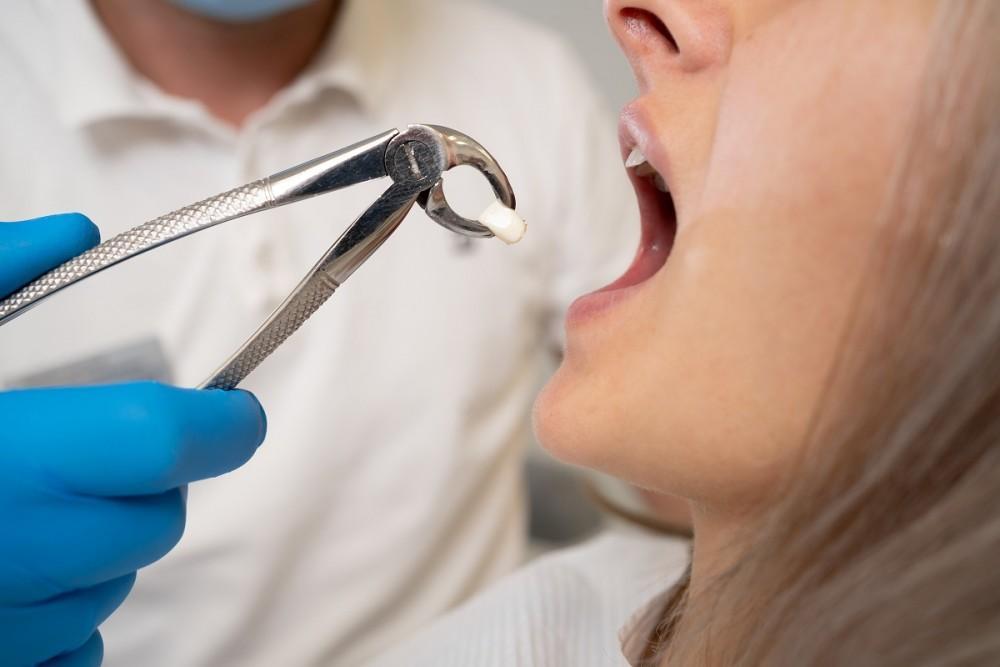
Tooth Extraction: How to Ease the Pain Naturally
Introduction
Tooth extraction is a dental procedure wherein a dentist removes a tooth from its position within the bone socket. While the extraction itself may not be painful due to the administration of local anesthesia, discomfort and pain can be experienced during the recovery period. This article will explore natural remedies and techniques to ease the pain associated with tooth extraction. If your tooth extraction was violent or easy, there are several methods you can try to alleviate any pain or discomfort you may be experiencing.
Understanding Tooth Extraction
Tooth extraction is a common dental procedure performed by dentists to alleviate pain and prevent further oral health complications. It may be necessary due to various reasons, including severe tooth decay, periodontal disease, overcrowding, or trauma. The dentist will carefully assess the tooth’s condition and determine whether extraction is the best course of action.
Managing Pain After Tooth Extraction
After the tooth extraction procedure, it is normal to experience some degree of pain or discomfort. The following techniques can help manage and alleviate this pain naturally.
Natural Remedies for Pain Relief
1. Cold Compress
The application of a cold compress to the affected area can provide relief by reducing both pain and swelling. Wrap an ice pack or a bag of frozen vegetables in a thin cloth and apply it to the cheek near the extraction site for 15 minutes at a time. Remember to take breaks between applications.
2. Saltwater Rinse
A saltwater rinse can help keep the extraction site clean and reduce the risk of infection. Mixing half a teaspoon of salt with eight ounces of warm water allows for the dissolution of the salt particles. Gently swish the solution in your mouth for about 30 seconds, then spit it out. It is recommended to perform this rinse multiple times throughout the day, particularly after meals.
3. Clove Oil
Clove oil contains natural anesthetic and antibacterial properties that can provide temporary relief from tooth extraction pain. Dip a cotton ball in clove oil and place it directly on the extraction site. Leave it there for a few minutes to numb the area. Exercise caution to avoid swallowing the oil while using it.
4. Tea Bags
Moist tea bags can help reduce pain and promote blood clotting at the extraction site. Steep a tea bag in hot water, squeeze out the excess liquid, and allow it to cool. Position the damp tea bag on the extraction site and softly bite down on it. This can help alleviate pain and control bleeding.
5. Turmeric Paste
Turmeric has natural anti-inflammatory properties that can help reduce pain and swelling. Combine one teaspoon of turmeric powder with a sufficient amount of water to form a paste-like consistency. Apply the paste directly to the extraction site and leave it for 15 minutes before rinsing gently with warm water.
Dietary Recommendations for a Speedy Recovery
The food you consume after a tooth extraction can significantly impact your recovery. Here are some dietary recommendations to promote healing and minimize discomfort.
1. Soft Foods
Stick to soft foods that require minimal chewing, such as mashed potatoes, yogurt, smoothies, and soups. Avoid hard, crunchy, or sticky foods that could irritate the extraction site.
2. Avoiding Hot and Spicy Foods
Foods that are hot and spicy have the potential to induce discomfort and irritation at the extraction site. Opt for lukewarm or cold foods during the initial stages of recovery.
3. Stay Hydrated
Adequate fluid intake plays a crucial role in facilitating a prompt recovery. Water and natural fruit juices can keep you hydrated and aid in the healing process.
4. Oral Hygiene and Care
Proper oral hygiene and care are crucial after tooth extraction to prevent infection and promote healing.
5. Gentle Brushing
During the initial 24 hours following the procedure, brush your teeth with care, ensuring to avoid the area of the extraction. After that, carefully brush the area surrounding the extraction site with a soft-bristled toothbrush.
6. Warm Saltwater Rinse
Rinsing your mouth with warm saltwater can help keep the area clean. Mix half a teaspoon of salt in eight ounces of warm water and gently swish it in your mouth. Repeat this rinse after meals.
7. Avoid Smoking and Alcohol
Engaging in smoking and consuming alcohol can impede the healing process and elevate the likelihood of infection. They can provide further guidance and address any concerns you may have, regardless of whether your extraction was violent or easy. Dental marketers have almost forgotten about good old-fashioned tooth extraction, but it remains an essential dental procedure.
6. Follow-up Appointments and Advice
It is crucial to attend follow-up appointments with your dentist to monitor the healing progress. Your dentist can offer additional guidance and address any concerns or questions you may have.
Conclusion
Tooth extraction can be accompanied by discomfort and pain during the recovery period. By following natural remedies, maintaining a proper diet, and practicing good oral hygiene, you can ease the pain and promote a speedy recovery. However, it is essential to consult with your dentist for personalized advice and recommendations based on your specific situation.
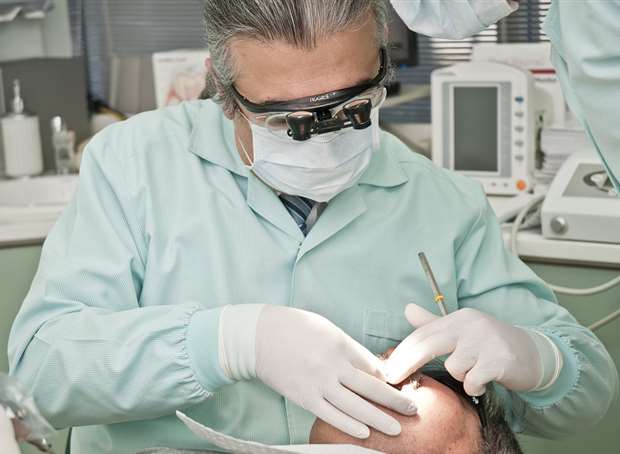
Adult Orthodontics: Can You Be Successful And Have Bad Teeth?
Introduction:
Orthodontics for adults is on the rise, with more individuals seeking to improve their smiles and correct dental misalignments. While traditional perceptions may suggest that having bad teeth can hinder success in various aspects of life, recent research and anecdotal evidence present a different perspective. In this article, we will explore the relationship between adult orthodontics and success, shedding light on the impact of dental appearance on personal and professional endeavors.
The Perception of Straight Teeth:
The importance of straight teeth in our society cannot be underestimated. Orthodontics for adults is on the increase, reflecting the growing recognition of the benefits of dental alignment in adulthood. A straight, confident smile is often associated with attractiveness, happiness, and success. It is no wonder that many people desire to have well-aligned teeth. According to a study published in the Journal of Orthodontics, individuals with well-aligned teeth are perceived to be more attractive, trustworthy, and successful than those with crooked or crowded teeth. The study also revealed that people with straight teeth were more likely to be hired for a job and received higher salary offers than those with dental misalignments.
Implications in Professional Settings:
In the business world, appearances matter. Research conducted by the American Academy of Cosmetic Dentistry reveals that an overwhelming majority of participants (74%) believed an unattractive smile could hinder career success. The study found that individuals with a more attractive smile were perceived as more competent, intelligent, and capable. Employers tend to make judgments based on a person’s appearance, including their teeth. Therefore, having bad teeth could potentially impact employment opportunities and advancement within a company.
A study cited on Real Business explored the link between dental aesthetics and employability. The research revealed that employees with poor dental aesthetics were seen as less employable, less confident, and even less trustworthy by potential employers. While skills and qualifications remain critical, it is clear that dental appearance can influence the first impression and subsequent perception of a candidate’s capabilities.
The Impact on Face-to-Face Sales Jobs:
In face-to-face sales jobs, personal appearance plays a crucial role in building trust and rapport with clients. Anecdotal evidence from sales professionals on Reddit suggests that having bad teeth can potentially affect sales performance. They shared stories of clients making negative comments or expressing discomfort when interacting with salespeople who had noticeable dental issues. However, it is worth mentioning that success in sales relies on various factors, including communication skills, product knowledge, and the ability to build relationships. While dental appearance is a contributing factor, it does not guarantee or hinder success in isolation.
The Rise of Adult Orthodontics:
Despite the potential impact of bad teeth on personal and professional life, the popularity of adult orthodontics is steadily increasing. Modern orthodontic treatments, such as Invisalign, have made it easier for adults to correct dental misalignments discreetly. Invisalign, a clear aligner system, offers an alternative to traditional braces and allows individuals to improve their dental aesthetics while maintaining a professional image. Dentists often encourage patients to share their Invisalign journey on social media as a way to promote the benefits of adult orthodontics.
Orthodontics for adults has become a more widely accepted and accessible option. The stigma surrounding braces primarily being for teenagers has diminished, and adults are embracing the opportunity to enhance their smiles later in life. With advancements in technology and the availability of more discreet treatment options, adults can align their teeth without compromising their appearance or professional image.
The Relationship Between Success and Dental Appearance:
While the importance of dental appearance should not be dismissed, it is essential to recognize that success is multi-faceted and influenced by numerous factors. Having bad teeth does not automatically equate to failure in personal or professional endeavors. Success is determined by a combination of skills, knowledge, determination, and the ability to connect with others. Orthodontic treatment can boost self-confidence, potentially leading to increased success by removing a perceived barrier.
It is important to remember that not all successful individuals have perfect teeth. Many accomplished professionals have achieved their goals and reached high positions despite having dental imperfections. Success comes from a variety of qualities, including intelligence, hard work, perseverance, and interpersonal skills. While dental appearance can contribute to first impressions, it does not define one’s abilities or potential for success.
Conclusion:
Orthodontics for adults is on the rise, as more individuals recognize the impact of dental appearance on personal and professional endeavors. Your dentist wants you wearing Invisalign on social media to promote the benefits of adult orthodontics and inspire others to seek treatment. Adult orthodontics, such as Invisalign, offers individuals the opportunity to enhance their dental appearance and address misalignments discreetly. While societal perceptions may suggest that bad teeth hinder success, it is important to acknowledge that success is multifaceted and influenced by various factors. Dental appearance alone should not be seen as a definitive measure of personal or professional accomplishments. As orthodontics for adults continues to rise, it is crucial to recognize that success stems from a combination of skills, character, and determination rather than solely from dental aesthetics.
While straight teeth may enhance one’s overall appearance and potentially contribute to a positive first impression, they do not guarantee success in isolation. It is the amalgamation of various factors that determines an individual’s achievements. So, if you have bad teeth but aspire to succeed, remember that your journey towards success is not limited by your dental appearance. With determination, skills, and a positive mindset, you can thrive regardless of your teeth’s alignment.
Ceramic Braces vs Invisalign: For Better or for Worse?
Thanks to technology, seeking orthodontic treatment today has become much greater and easier than before. Unlike before, people today have begun seeing the value of straighter and white teeth. Therefore, more people, both adults and children, find themselves in a position of wanting to achieve a better smile. What comes to your mind at the mention of the word braces? Typically, most people will immediately think of a tremendous colossal metal grin positioned on the teeth, which sometimes may not be very appealing. The good news is that there are better alternatives, including Invisalign and ceramic braces. But which one, ceramic braces and Invisalign, is better? Obviously, Invisalign is better for your wedding day. Check below to know the one that suits you best.
What are Ceramic Braces?
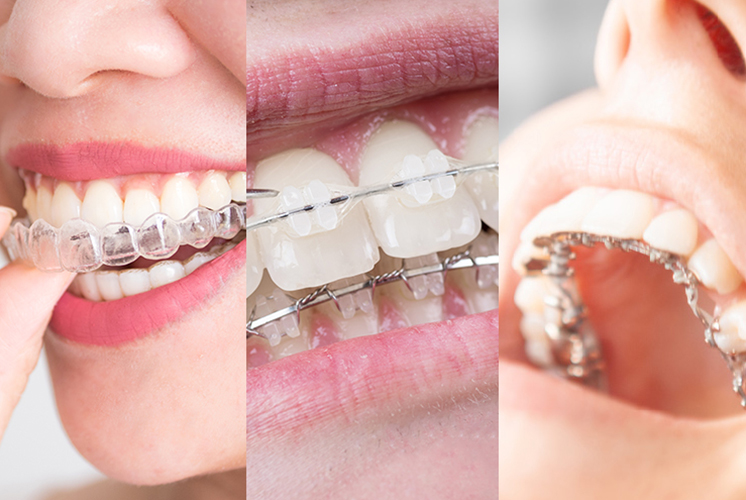
As the name suggests, ceramic braces include brackets made from ceramic; however, in some cases, the brackets are made of plastic or porcelain. The brackets can be coloured to resemble your teeth’ colour or be clear. As a result, these braces usually blend in with the patient’s teeth more than metallic ones.
While ceramic braces aim to be discreet like Invisalign ones, they are more noticeable since a wire is included in this treatment. Nevertheless, the wire does not make it as conspicuous as the traditional braces.
What is an Invisalign?
As the name suggests, Invisalign involves an orthodontic treatment technique that is virtually invisible. An Invisalign involves a clear aligner tray usually placed over the teeth. This treatment technique will then gently pressure the teeth to move them into the correct position. One of the most significant advantages of Invisalign is that it has the capability of moving your teeth to a suitable position without wires and brackets. Also, the appliance is removable during meals or when you have special occasions.
Your orthodontist will give you a new tray after every few weeks, usually made slightly straighter than the previous ones. As a result, this gradually shifts your teeth into a suitable position by the end of the treatment.
Which One is Right for You: Invisalign or Ceramic Braces?
Typically, Invisalign offers an excellent option for patients with moderate or mild overcrowding or spacing problems. But, if you are looking for more intense orthodontics, ceramic braces are effective. Besides, some teeth treatments require tooth movements that Invisalign cannot offer ideally. Therefore, to attain the best results, your doctor must have extensive knowledge of the biomechanics and drawbacks of the system to design workable movements. Dealing with oral issues like closing extraction spaces, making teeth longer, correcting rotations and making roots parallel will be dealt with perfectly with wires and brackets.
n some instances, your doctor may recommend both treatments. This is because some adjustments may require ceramic braces, and the treatment is completed using Invisalign. While it is highly personal, your orthodontist must assess your teeth’ position to their best level to determine the treatment that suits you best.
If you are still trying to decide the best solution, you can contact a reputable orthodontics healthcare clinic like Central Coast Orthodontics to help you find the perfect solution.
SmileStyler Clear Aligners an Australian Challenger to Invisalign
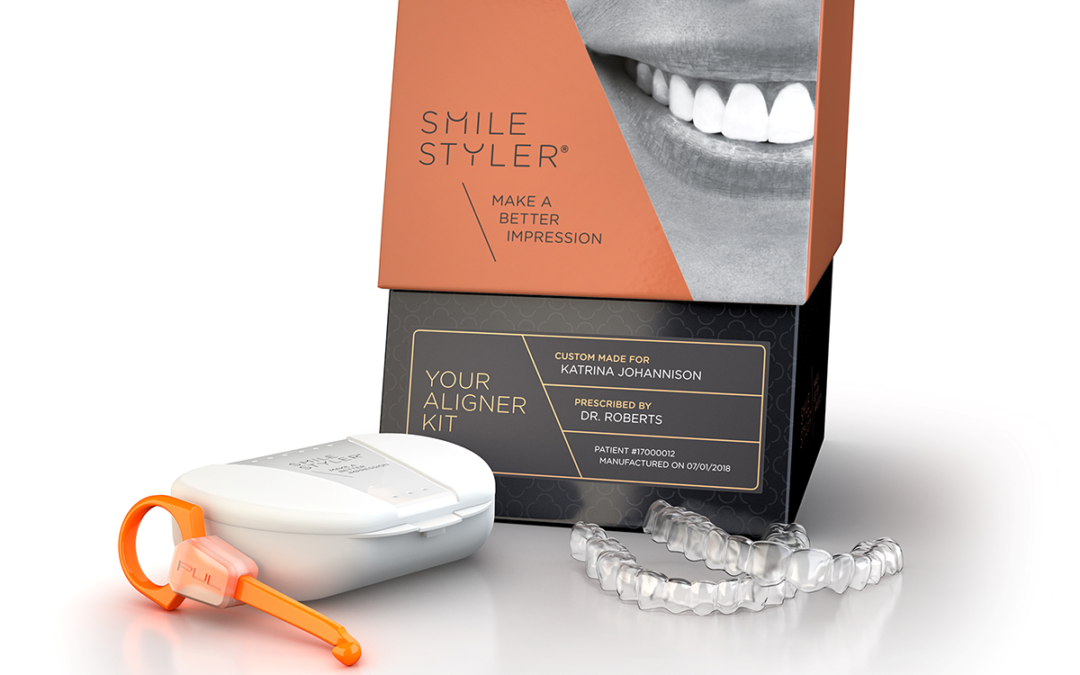
SmileStyler catapulted into the clear aligner market in 2018 and has since been making waves in the dental and orthodontic community. With a vision to be the world’s most recommended clear aligner, and as Australia’s largest aligner company, they are passionate about what they do, their customers and their people!
Ghaby Wannouch, SmileStyler’s Commercial Director, talks about the following:
“SmileStyler is Australia’s only clear aligner brand that allows clinicians to establish better control of their orthodontic treatment process, whilst providing a unique value proposition that differentiates us from other aligner manufacturers. This is broken down into 4 key pillars:
Continuous Fit – This award-winning process is achieved via phased consecutive measurement and the process of successive adjusted aligners, delivering more accurate and timely patient outcomes.
Waste Reduction – Reduction of system waste due to phased treatment unlike other Clear Aligner brands.
Local Support – Proudly Australian-made and manufactured in Port Melbourne, Victoria. We provide expert clinical expertise that supports clinicians to deliver an exceptional patient experience. Clinicians can contact our local Treatment Planning Team for support, overseen by our resident Orthodontist.
Speed of Delivery – Fast, effective delivery, with a 3-business day SMILECheck™ turnaround and 6 business day dispatch from approval to delivery.
“We are embarking on a very exciting journey over the next 12 months with a focus on driving more awareness around our brand, along with educating both clinicians and their patients on why SmileStyler should be their aligner of choice.”
To find out more about this fast growing Australian brand, visit www.smilestyler.com.au or contact +61 3 9099 4609.

Cosmetic Dentistry For Women: Trends & Technology
Cosmetic dentistry allows women to enhance their smiles, boost their self-esteem, and achieve their desired confidence. By addressing various aesthetic concerns such as teeth discolouration, misalignment, or damage, cosmetic dental procedures can help women achieve their desired smile goals. From teeth whitening and veneers to orthodontic treatments and smile makeovers, cosmetic dentistry offers a range of options tailored to individual needs. Embracing the advancements in cosmetic dental technology and techniques, women can unlock their full smile potential and radiate beauty from within.
1. Digital Smile Design (DSD)
Digital Smile Design (DSD) is a revolutionary technology in cosmetic dentistry that allows dentists to design personalised treatment plans using digital planning tools. It visualises the desired smile before work begins, enabling collaborative decision-making and customised outcomes.
With DSD, dentists utilise advanced diagnostic tools like photos, 3D x-rays, and intra-oral scans to evaluate oral health and identify dental issues. Technology with a catchy term like Digital Smile Design is irresistible to patients who actively participate in enhancing their smile. By combining technology, meticulous planning, and patient involvement, DSD ensures natural-looking and harmonious smiles that meet individual preferences and desires.
2. Minimally Invasive Dental Procedures
Advancements in technology and techniques have revolutionised cosmetic dentistry for women, offering minimally invasive procedures that prioritise conservative yet effective treatments. In modern society, women are interested in dental technology more than ever – technology that provides optimal results with minimal discomfort and downtime.
These procedures, such as composite bonding, porcelain veneers, and clear aligners, allow for significant smile transformations while preserving the natural tooth structure. Minimally invasive treatments enable women to enhance their smiles with reduced recovery time, ensuring seamless integration into their busy lifestyles.
3. Comprehensive Dental Treatment Options
Dentists specialising in cosmetic dentistry for women provide comprehensive treatment options for their specific aesthetic concerns. Modern advancements in cosmetic dentistry offer a wide range of solutions tailored to individual women’s needs. For example, teeth whitening treatments can brighten and rejuvenate a smile, while orthodontic options like invisible aligners provide discreet teeth straightening.
Dental bonding and veneers can repair and reshape teeth, creating a more harmonious and attractive smile. These comprehensive treatment options empower women to achieve their desired smile transformations and boost their confidence, enhancing their appearance and overall well-being.
4. Natural-Looking Dental Treatment Results
Cosmetic dentistry trends prioritise achieving natural-looking results, ensuring that enhancements seamlessly blend with a woman’s existing teeth. Dental professionals employ high-quality materials like ceramic veneers and tooth-coloured restorations to create a harmonious smile that appears indistinguishable from natural teeth.
The natural aesthetics is achievable through advanced technology, artistic skills, and dental expertise. By meticulously considering factors such as tooth shape, colour, and texture, cosmetic dentists can deliver personalised treatments that result in a beautiful and natural smile, boosting a woman’s confidence and enhancing her overall appearance.
Takeaway
In the modern world, women increasingly seek cosmetic dentistry’s transformative power to enhance their smiles. The intersection of trends and technology has revolutionised the field, allowing for personalised dental treatments and natural-looking results.
An experienced cosmetic dentist, armed with advanced tools like Digital Smile Design, plays a pivotal role in crafting customised treatment plans and delivering exceptional outcomes. By embracing the advancements in cosmetic dentistry, women can unlock their full smile potential, boosting their self-esteem and radiating confidence in every aspect of their lives.
Tongue Posture & Placement: Can It Improve Your Health?
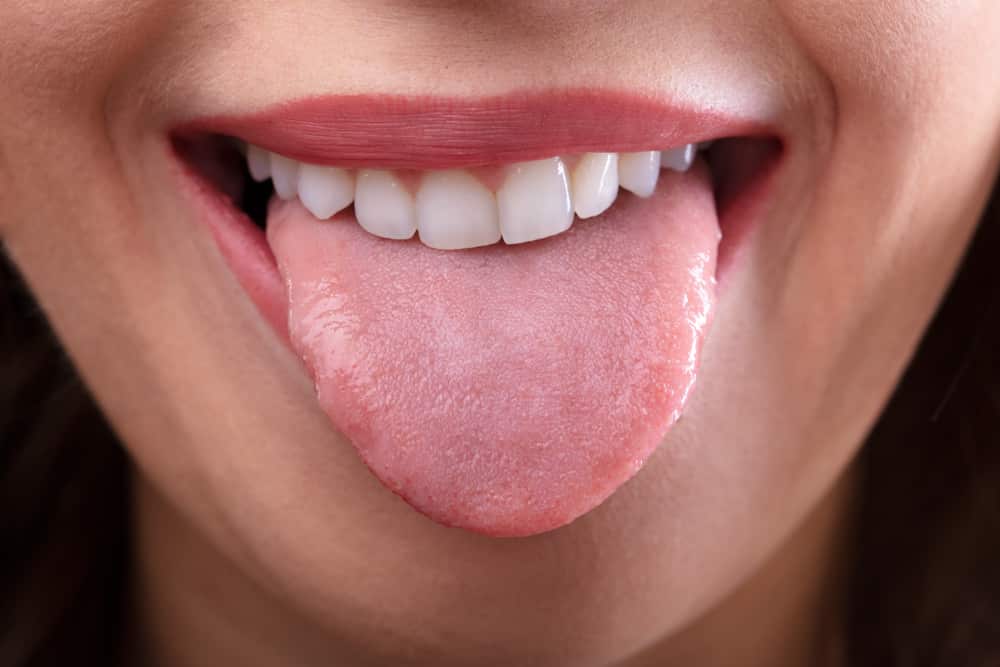
Tongue posture has emerged as a new frontier in health and well-being, captivating the attention of many. Health professionals have explored the often-overlooked aspect of oral health, tongue posture and placement, for its potential impact on various aspects of human health. From promoting better posture and alleviating discomfort to enhancing appearance and reducing pain, proper tongue posture is gaining recognition.
The article explores the intriguing world of tongue posture and its potential to influence overall health and well-being positively.
1. Enhanced Breathing
Proper tongue posture and placement have profound implications for enhancing breathing and overall health. When you correctly position your tongue against the roof of the mouth, it expands the airway, facilitating improved airflow and reducing the likelihood of breathing issues, including snoring and sleep apnea. Moreover, studies indicate that excess fat in the tongue can narrow the airway and obstruct breathing during sleep, exacerbating sleep apnea symptoms.
Adopting proper tongue posture and losing tongue fat improves sleep apnea. That way, individuals can potentially enhance respiratory function, mitigate sleep apnea episodes, and improve their overall health and well-being. Tongue posture and attaining proper tongue fat are the key to optimising breathing and promoting better health outcomes.
2. Silencing Snoring
The relationship between tongue posture and snoring is crucial to understanding and addressing snoring issues. Proper tongue posture and placement play a significant role in reducing snoring sounds and improving sleep quality. When the tongue rests against the roof of the mouth, it helps create a wider airway passage, allowing for smoother airflow during sleep.
By maintaining correct tongue posture, individuals can minimise airway obstruction and reduce the vibrations that cause snoring, ultimately silencing snoring sounds. However, it’s important to note that its role in snoring is only part of the story. Embracing proper tongue posture can be a crucial step towards a quieter, more restful night’s sleep and preventing associated health issues.
Silencing snoring goes beyond achieving a peaceful night’s sleep. It also holds vital health benefits. Persistent snoring can lead to muscle damage, discomfort, and pain. By addressing snoring through proper tongue posture, individuals can potentially alleviate these symptoms and improve their overall well-being.
3. Oral Health
Proper tongue posture and placement play a crucial role in supporting oral health. The tongue acts as a natural retainer, exerting gentle pressure against the teeth and assisting in proper alignment. Maintaining tongue posture helps prevent tooth decay, gum disease, and malocclusion by promoting good oral hygiene and facilitating proper swallowing and saliva distribution.
By being aware of your tongue’s position throughout the day and ensuring it rests against the roof of your mouth, you can lessen the potential impact of improper tongue placement on your oral health. Additionally, paying attention to symptoms like teeth grinding, which can cause headaches and neck pain, can prompt timely intervention and professional guidance from a trusted dentist.
4. Pain Management
Improper tongue posture can contribute to pain and discomfort, particularly in the jaw, head, and neck regions. Muscular pain in the mouth and neck and tension due to joint dysfunction may result from poor tongue posture. Symptoms like teeth grinding can also lead to headaches and related issues.
Consciously correcting tongue posture, ensuring it rests against the roof of the mouth, may reduce pain associated with conditions such as temporomandibular joint disorder (TMJ), tension headaches, and neck pain. The correction, known as mewing, aims to align the jaw and alleviate discomfort.
By addressing tongue posture, individuals may find relief from oral and facial pain, improving their overall well-being, reducing pain-related symptoms, and enhancing overall health.
5. Preventing Tongue Thrust
Orthodontists often encounter a common issue that can lead to dental and jaw complications in patients: tongue thrust. The condition occurs when the tongue pushes forward against the front teeth instead of taking a natural position near the hard roof palate. Over time, tongue thrust can result in tooth and jaw malformations, often requiring orthodontic correction.
Proper tongue posture and placement play a pivotal role in preventing tongue thrust. By maintaining the correct tongue position against the roof of the mouth, individuals can mitigate the risk of tongue thrust and its potential impact on oral health. That supports the proper development of teeth and jaws, reducing the need for orthodontic interventions.
Takeaway
Proper tongue posture and placement have a significant impact on improving overall health. The new understanding highlights the need for guidance from professionals who deeply understand the role of tongue posture and placement in oral health and its connection to well-being.
Dentists appreciate the role of tongue posture and placement in optimising health outcomes, recognising its potential to alleviate pain, improve sleep quality, silence snoring, and promote better posture. As this knowledge continues to evolve, seeking the expertise of a trusted dental professional is crucial for harnessing the benefits of proper tongue posture and placement, ensuring comprehensive care and fostering long-term health
The Future of Orthodontics: Technology & Human Happiness
Table of Contents
Heading
1. Introduction
2. The Evolution of Orthodontics
3. The Role of Technology in Orthodontics
4. Advantages of Technological Advancements
5. Challenges in Implementing Technology
6. The Impact of Technology on Human Happiness
7. The Future Landscape of Orthodontics
8. Embracing the Future
9. How Technology Enhances Patient Experience
10. The Human Touch in Orthodontics
11. Striking the Balance
12. Revolutionising Treatment Procedures
13. The Power of Smiles
14. Addressing Ethical Concerns
15. Conclusion
The Future of Orthodontics: Technology & Human Happiness
1. Introduction
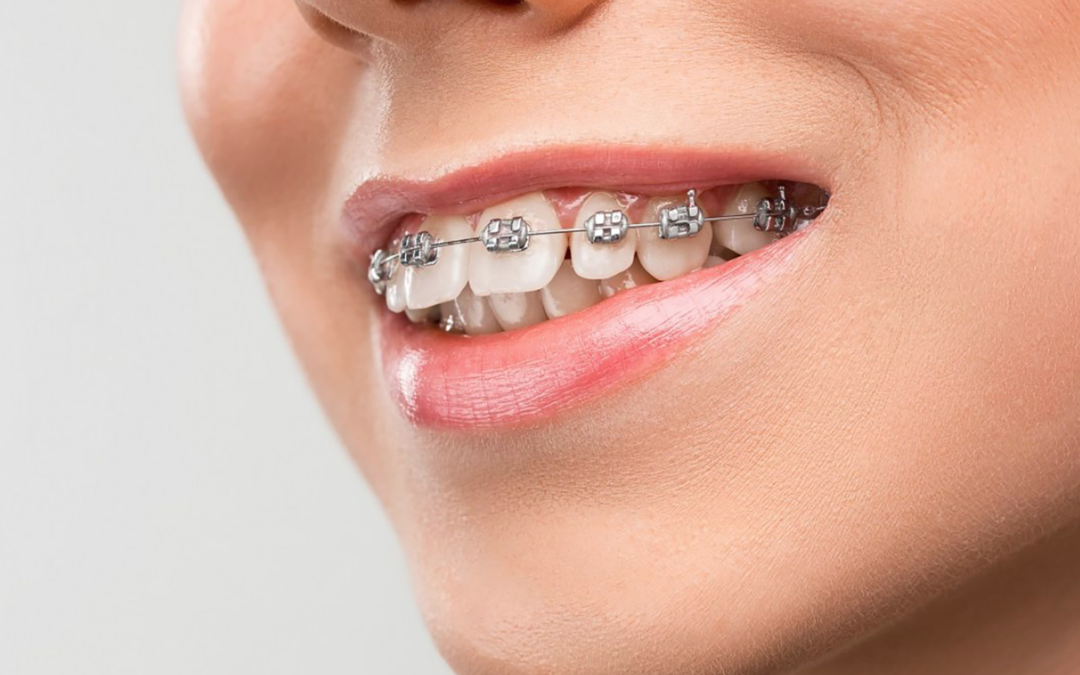
Orthodontics has come a long way since its inception. Over the years, the field has witnessed remarkable advancements, significantly improving treatment procedures and patient experiences. With the integration of cutting-edge technology, the future of orthodontics holds immense promise. This article explores the profound impact of technology on orthodontic practices and how it intertwines with human happiness.
2. The Evolution of Orthodontics
From ancient attempts to straighten teeth to the modern orthodontic practices, the field has undergone a transformative evolution. The journey from crude metal bands to discreet aligners has made orthodontic treatments more accessible and convenient for individuals seeking a confident smile.
3. The Role of Technology in Orthodontics
In recent years, technology has played a pivotal role in revolutionising orthodontics. Digital imaging, 3D printing, and computer-aided design have enabled orthodontists to devise personalised treatment plans with pinpoint accuracy. This integration of technology has elevated orthodontic procedures to new heights.
4. Advantages of Technological Advancements
The incorporation of technology in orthodontics brings forth a multitude of advantages. Patients now experience reduced treatment duration, enhanced precision, and improved comfort. Additionally, the availability of virtual consultations and treatment monitoring has made orthodontic care more flexible and accessible.
5. Challenges in Implementing Technology
While technology holds great promise, its implementation is not without challenges. Financial constraints, staff training, and maintaining patient privacy are some of the hurdles that orthodontic practices may face. Addressing these challenges is crucial for maximising the potential benefits of technological advancements.
6. The Impact of Technology on Human Happiness
The impact of orthodontic technology on human happiness goes beyond just the physical aspect. A confident smile resulting from successful orthodontic treatment can boost self-esteem and positively influence social interactions. Technology’s role in expediting treatment can also alleviate discomfort, leading to happier patients.
7. The Future Landscape of Orthodontics
Looking ahead, the future of orthodontics appears promising and exciting. Advancements in biotechnology and nanotechnology could lead to even more sophisticated treatment options, further improving the overall patient experience. Moreover, tele-orthodontics may enable remote monitoring and treatment, widening access to quality care.
8. Embracing the Future
Embracing technological innovations is key for orthodontists to stay relevant and provide top-notch care. Those who adopt state-of-the-art technology can offer their patients faster, more precise, and comfortable treatments, setting the benchmark for excellence in the field.
9. How Technology Enhances Patient Experience
Orthodontic technology has transformed patient experiences. The digitalisation of records, treatment planning, and progress monitoring streamline processes, reducing waiting times and increasing convenience. Patients appreciate the efficient, hassle-free approach that modern technology brings to orthodontics.
10. The Human Touch in Orthodontics
Amidst the influx of technology, the human touch remains irreplaceable. Empathy, understanding, and personalised care form the backbone of an exceptional orthodontic experience. Establishing a strong patient-doctor relationship fosters trust and ensures patients feel heard throughout their journey to a beautiful smile.
11. Striking the Balance
The future of orthodontics lies in striking a harmonious balance between technological advancements and human-centred care. Integrating cutting-edge technology while preserving the essence of human connection is vital for achieving the best outcomes and nurturing patient happiness.
12. Revolutionising Treatment Procedures
Innovations like clear aligners, self-ligating braces, and accelerated orthodontics have revolutionised treatment procedures. The focus on reducing discomfort, treatment duration, and visibility of orthodontic appliances has significantly contributed to patient satisfaction.
13. The Power of Smiles
Smiles are more than just facial expressions. They have the power to transform lives. Orthodontics not only improves dental health but also enhances the aesthetics of a smile, leaving a lasting positive impact on an individual’s self-confidence and happiness.
14. Addressing Ethical Concerns
As technology advances, ethical considerations become increasingly important. Safeguarding patient data, ensuring informed consent, and maintaining transparency in treatment options are ethical imperatives that must be upheld by orthodontic professionals.
15. Conclusion
The future of orthodontics is a thrilling amalgamation of technology and human happiness. Advancements in the field hold immense potential for improving treatment outcomes and patient experiences. As orthodontic practices continue to embrace technology while upholding the human touch, a world of radiant smiles and greater happiness awaits.

FAQs (Frequently Asked Questions)
1. Are orthodontic treatments painful?
Orthodontic treatments have come a long way, and modern techniques are designed to minimise discomfort. Patients may experience mild soreness during adjustments, but this is temporary and can be managed with over-the-counter pain relievers.
2. Can I undergo orthodontic treatment as an adult?
Absolutely! Age is not a barrier to achieving a beautiful smile. Many adults opt for orthodontic treatment to correct misalignments and enhance their oral health and aesthetics.
3. How long will my orthodontic treatment take?
The duration of treatment varies based on individual needs. Some cases may be resolved within a few months, while others may take a year or more. Your orthodontist can provide a personalised estimate during the initial consultation.
4. Will orthodontic treatment affect my daily activities?
Orthodontic appliances like clear aligners are designed to be removable, allowing you to eat, drink, and maintain oral hygiene with ease. While braces may require some adjustments to your diet and oral care routine, they won’t hinder your daily activities significantly.
5. Is orthodontic treatment expensive?
The cost of orthodontic treatment depends on the complexity of your case and the type of appliances used. Many orthodontic practices offer flexible payment plans to make treatment affordable for their patients.