
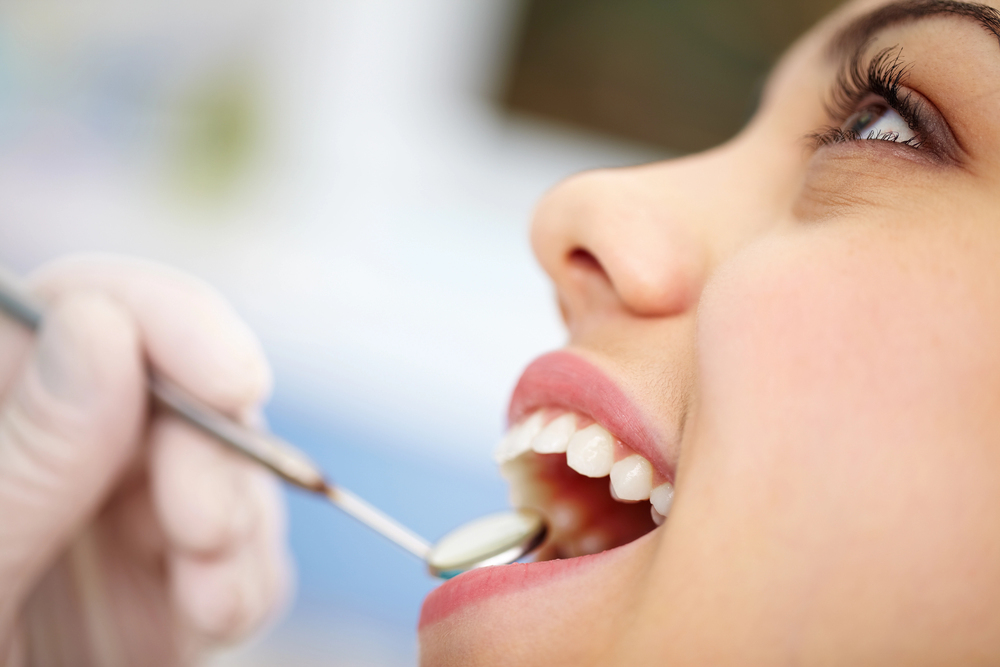
A modern Australian smile is about more than having straight, bright teeth. It reflects a broader understanding of oral health—one where appearance, function, prevention and long-term care are increasingly interconnected. From orthodontic treatment that improves alignment to professional teeth whitening that refreshes colour, today’s approach to smile care is less about chasing perfection and more about creating a healthy, balanced result that feels natural.
Australia’s diverse population has also contributed to changing expectations around dental care. Patients may seek orthodontics for functional reasons, cosmetic improvements, or both. Others may focus on tooth discolouration caused by ageing, dietary habits or lifestyle choices. Yet these concerns do not exist in isolation. The position of the teeth can influence how a smile appears, while enamel condition, oral hygiene and gum health can influence how attractive and sustainable that smile ultimately becomes.
Straight Teeth Are Only Part of the Picture
Orthodontics has traditionally been associated with correcting crooked teeth and crowded smiles. Modern treatment, however, considers the relationship between individual teeth, the bite and the surrounding oral structures.
Braces and clear aligners can gradually move teeth into more favourable positions. Improving alignment may make teeth easier to clean and can help establish a more harmonious relationship between the upper and lower arches. For some patients, orthodontic treatment may also address problems associated with excessive spacing, crowding or certain bite irregularities.
The aesthetic transformation can be significant, but straightening should not be viewed as the final destination. Once teeth have been aligned, maintaining them becomes an ongoing responsibility. Retainers, consistent brushing, interdental cleaning and regular dental examinations all play important roles in protecting the result.
In other words, orthodontics creates the architecture of the smile, but daily oral care helps preserve it.
Brightness Should Begin With Oral Health
Whiter teeth are frequently associated with youth and vitality, but tooth colour naturally varies from person to person. Some teeth are naturally more yellow or translucent than others, while staining can develop through coffee, tea, red wine, smoking and other lifestyle factors.
Professional whitening can reduce certain types of extrinsic and intrinsic discolouration, depending on the underlying cause. However, whitening is not a substitute for dental hygiene. Plaque accumulation, untreated decay, gum disease or damaged enamel should be addressed before cosmetic treatment is considered.
This is where oral care becomes the foundation of an attractive smile.
Brushing twice daily with fluoride toothpaste, cleaning between the teeth and attending regular dental appointments can help control plaque and support healthy gums. A clean, healthy oral environment can also provide a more suitable starting point for cosmetic procedures.
The relationship works in both directions. Better oral hygiene protects the teeth, while appropriately planned cosmetic treatment can encourage people to become more attentive to their daily dental habits.
The Connection Between Orthodontics and Whitening
Timing matters when combining orthodontic and cosmetic treatments.
Whitening teeth before orthodontic movement may produce uneven results because brackets or attachments can temporarily cover portions of the tooth surface. Depending on the orthodontic system and treatment plan, it may therefore be more appropriate to consider teeth whitening after orthodontic treatment has been completed.
Clear aligners introduce a different dynamic. Because they are removable, patients may have greater flexibility when discussing cosmetic procedures with their dentist. Nevertheless, whitening should still be planned around individual oral health needs rather than treated as an automatic step.
Once orthodontic alignment is complete, a dental professional can assess the teeth, gums, restorations and existing colour before recommending whether teeth whitening is appropriate. This personalised approach can help avoid unrealistic expectations and reduce the risk of unnecessary treatment.
Oral Care Makes the Result Sustainable
The most impressive smile transformation can gradually lose its impact without maintenance.
Teeth remain exposed to acids, pigments, bacteria and mechanical wear every day. Even after orthodontic treatment and whitening, normal habits continue to influence their appearance and health. Regular dental examinations allow early signs of decay, gum inflammation, enamel wear and other concerns to be identified before they become more complex.
Diet also matters. Frequently consuming sugary or acidic foods and drinks can increase the risk of dental problems, while excessive exposure to strongly pigmented foods and beverages can contribute to staining. Drinking water, maintaining balanced eating habits and avoiding tobacco can support both oral health and the appearance of the smile.
For Australians balancing work, family, sport and social commitments, this does not necessarily require an elaborate routine. Consistency is often more valuable than complexity.
A Smile Designed Around the Individual
There is no universal definition of a beautiful smile. Tooth shape, facial proportions, gum display, natural tooth colour and individual preferences all influence the final appearance.
This is why modern dentistry increasingly favours conservative, personalised treatment planning. A dentist may consider whether a patient actually needs teeth whitening, whether orthodontic movement should come first, or whether a change in daily oral care could address the concern without cosmetic intervention.
The objective is not simply to make teeth look different. It is to create harmony between dental health and appearance.
For some patients, that might mean discreet orthodontics and improved hygiene. For others, it may involve professional whitening after alignment has been completed. Someone else may need restorative or periodontal treatment before considering any cosmetic procedure at all.
The modern Australian smile is therefore less about a single treatment and more about an integrated philosophy of care.
The Natural Standard
Perhaps the most interesting development in contemporary cosmetic dentistry is the movement away from an artificially uniform aesthetic. Patients increasingly want results that look healthy and believable rather than excessively white or perfectly symmetrical.
Natural-looking dentistry requires attention to subtle differences in shade, translucency, surface texture and tooth anatomy. This is particularly important when cosmetic procedures interact with existing restorations, because natural teeth and dental materials can respond differently to whitening and ageing.
Ultimately, the most convincing smile is rarely the one that looks manufactured. It is the one in which orthodontics, whitening and everyday oral care work quietly together to support proportion, health and confidence. Achieving that balance requires precision and consistency in replicating natural tooth color—while still respecting the individual characteristics that make every Australian smile uniquely their own.