
The digital revolution has quietly transformed nearly every aspect of modern life, from the way Australians manage their finances to how they communicate, learn, and shop. Healthcare has evolved alongside these changes, and dentistry has emerged as one of the professions experiencing a remarkable technological renaissance. Today’s dentist is no longer limited to traditional tools and visual examinations. Instead, digital innovation is reshaping every stage of the patient journey, creating experiences that are more precise, comfortable, efficient, and personalised than ever before.
For Australians, this transformation represents much more than the arrival of sophisticated equipment. It reflects a broader shift towards preventive healthcare, informed decision-making, and treatments designed around the unique needs of every individual. Technology is not replacing clinical expertise; it is enhancing it, raising the standard of oral care while strengthening the relationship between practitioners and patients.
A New Era of Patient Confidence
For decades, one of the greatest barriers to regular dental visits has been uncertainty. Patients often struggled to understand complex procedures because they relied heavily on verbal explanations or two-dimensional images. Modern digital technologies have dramatically changed this dynamic.
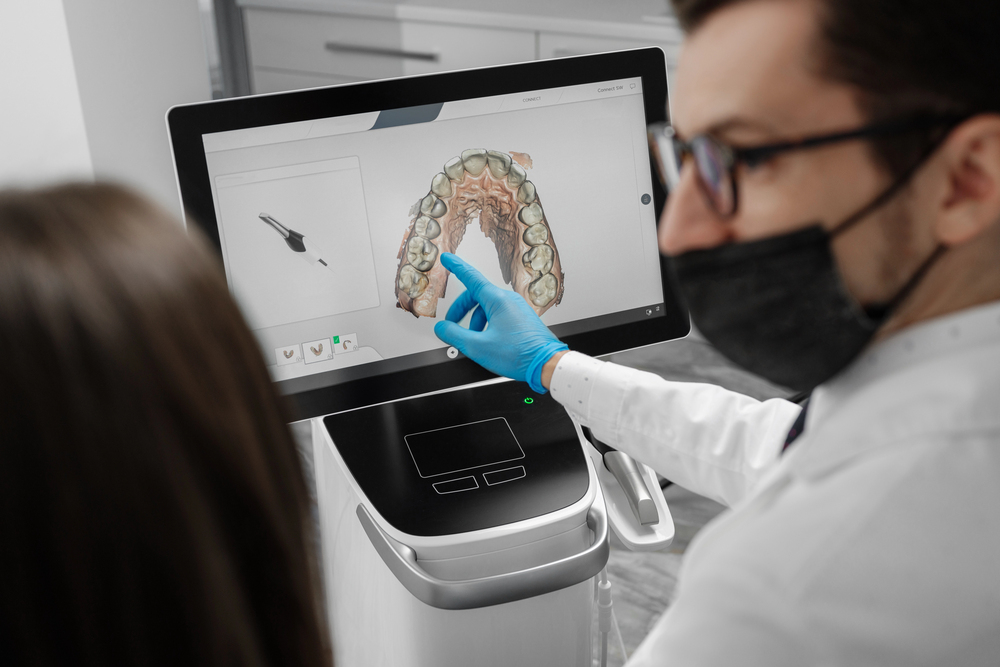
Three-dimensional imaging, digital intraoral scanners, and advanced treatment simulation software now allow patients to see their oral conditions in extraordinary detail. Rather than imagining the outcome of a proposed treatment, individuals can visualise expected results before procedures even begin.
This transparency encourages greater trust. A dentist can demonstrate areas of concern, explain why intervention is necessary, and involve patients in treatment planning with far greater clarity than ever before. Informed patients are generally more confident patients, leading to stronger long-term engagement with preventive care.
Precision That Benefits Everyone
Digital dentistry has introduced levels of precision that were difficult to achieve using conventional methods alone. High-resolution imaging, computer-assisted design, and advanced manufacturing technologies have significantly improved the accuracy of many restorative procedures.
Digital impressions, for example, eliminate many of the discomforts associated with traditional impression materials while producing highly accurate digital models. These models help dental laboratories fabricate restorations that fit more precisely, reducing adjustments and improving patient comfort.
Australian dental practices adopting these technologies are discovering that improved precision often translates into shorter appointments, enhanced predictability, and greater treatment efficiency. Every innovation contributes toward raising the standard of oral care without compromising the personalised attention that patients expect.
Artificial Intelligence as a Clinical Partner
Artificial intelligence has become one of the most exciting developments within modern dentistry. Importantly, AI is not intended to replace professional judgement. Instead, it functions as an intelligent assistant capable of analysing diagnostic images, identifying patterns, and highlighting areas that may deserve closer examination.
By supporting clinical assessments, AI can assist a dentist in detecting subtle changes that may otherwise be overlooked during routine evaluations. Early identification of cavities, periodontal disease, and other oral conditions creates opportunities for earlier intervention, often resulting in less invasive treatments.
Australian practices incorporating AI-powered diagnostic support continue to emphasise that technology complements—not replaces—the knowledge, experience, and ethical responsibility of qualified dental professionals.
Digital Communication Beyond the Clinic
Technology has expanded the dental experience far beyond the treatment chair. Secure online appointment systems, automated reminders, digital health records, and virtual consultations have simplified many aspects of patient care.
For Australians living in regional or remote communities, these digital solutions can improve accessibility by reducing unnecessary travel for preliminary consultations or follow-up discussions. Telehealth services also enable patients to receive professional guidance when determining whether urgent treatment is required.
Digital communication strengthens continuity of care by allowing practices to remain connected with patients between appointments. Preventive advice, personalised oral hygiene recommendations, and post-treatment instructions can all be delivered efficiently through secure digital platforms.
Personalisation Through Data
Modern healthcare increasingly recognises that no two patients are identical. Digital technologies allow dental professionals to gather and interpret information that supports more personalised treatment planning.
Medical history, imaging records, bite analysis, lifestyle factors, and previous treatment outcomes can be integrated into comprehensive digital records. This enables every dentist to evaluate the complete clinical picture rather than isolated symptoms.
Personalised dentistry encourages preventive strategies tailored to each patient’s individual risks, oral habits, and long-term goals. Instead of reacting only when problems become painful, clinicians can focus on anticipating future concerns before they develop into significant complications.
Improving Comfort Without Compromising Quality
One of the most noticeable benefits of digital dentistry is the improvement in patient comfort. Faster imaging systems reduce appointment times, digital scanners replace many uncomfortable impression techniques, and guided treatment planning enhances procedural efficiency.
Patients who have experienced dental anxiety often find these technological advances reassuring. Greater predictability, clearer communication, and reduced treatment complexity contribute to more positive experiences overall.
As practices continue raising the standard of oral care, comfort is increasingly viewed as an essential component of quality healthcare rather than an optional luxury.
The Human Element Remains Essential
Despite extraordinary technological progress, the heart of dentistry remains profoundly human. Machines cannot replace empathy, clinical judgement, ethical decision-making, or compassionate communication. Digital systems provide valuable information, but it is the expertise of a skilled dentist that transforms data into thoughtful clinical care.
Australian dentistry continues to demonstrate that innovation is most successful when technology supports—not overshadows—the patient-practitioner relationship. Trust is still built through listening, education, transparency, and genuine concern for individual wellbeing.
As digital innovation continues to evolve, the future of oral healthcare will likely become even more connected, predictive, and personalised. Emerging technologies promise earlier diagnosis, increasingly precise treatment planning, and more efficient clinical workflows that benefit both practitioners and patients alike.
Ultimately, the digital age is redefining expectations of dental care across Australia. By embracing innovation while preserving the human values that underpin healthcare, the profession continues raising the standard of oral care and delivering experiences that place patients at the centre of every technological advancement. The result is a future where every visit to the dentist becomes not simply a clinical appointment, but a collaborative journey towards lifelong oral health supported by science, technology, and compassionate care.