
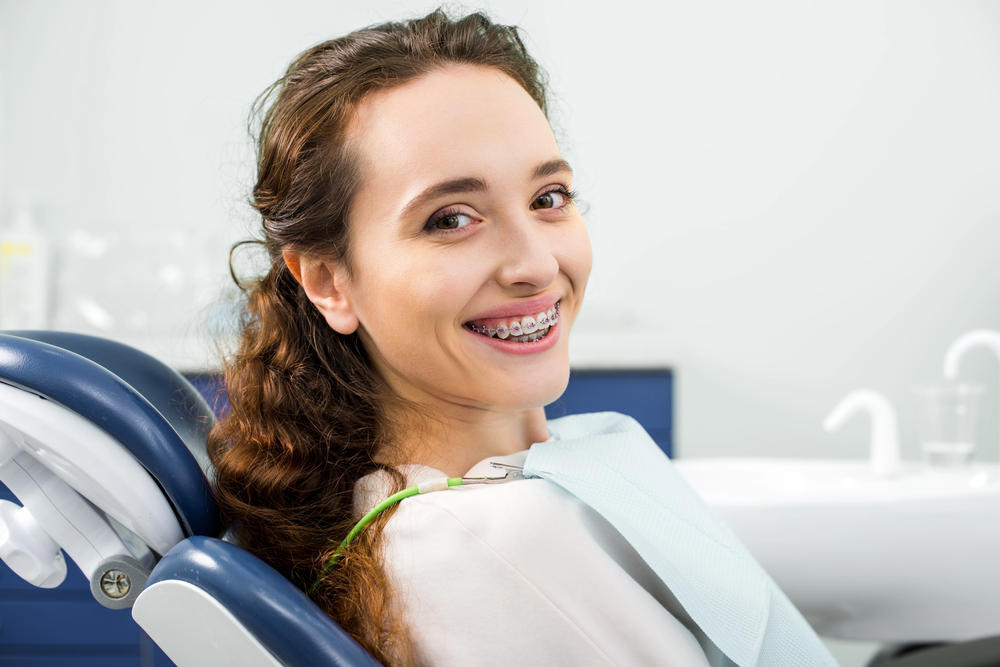
There was a time when orthodontic treatment was defined by metal brackets, tightening appointments and the patience required to wait months—or even years—for a new smile to emerge. Today, that picture is changing. Across Australia, advances in digital dentistry are reshaping how women approach their oral health, particularly when it comes to comfort, convenience, appearance and personalised treatment.
Modern orthodontics is no longer simply about moving teeth into straighter positions. It increasingly combines clinical expertise with digital imaging, computer-assisted planning, three-dimensional modelling and discreet treatment options. For Australian women balancing careers, family responsibilities, social commitments and active lifestyles, these technologies can make orthodontic care feel more compatible with everyday life.
The New Face of Orthodontic Treatment
The appeal of digital orthodontic technology begins with personalisation. Traditional treatment relies heavily on physical impressions, photographs and two-dimensional X-rays. While these remain valuable clinical tools, digital systems can provide orthodontic professionals with a more comprehensive view of a patient’s teeth, bite and surrounding structures.
Intraoral scanners, for example, can create detailed digital representations of the mouth without the need for traditional impression materials. Three-dimensional imaging can also assist clinicians in evaluating dental structures and planning treatment with greater precision.
For patients, this can transform the experience from simply receiving a treatment plan to understanding it.
A digital model can help demonstrate how teeth may move throughout treatment, allowing patients to visualise the proposed journey. This does not mean software can guarantee an exact final result, because biological responses vary between individuals. However, visual treatment planning can make complex clinical information easier to understand and discuss.
Why Women Are Looking Beyond the Traditional Braces
The growing interest in discreet orthodontic options reflects a broader change in how adults think about dental treatment. For many women, orthodontic care must fit around an established lifestyle rather than temporarily taking over it.
Clear aligners have become particularly relevant because they are removable and designed to be less noticeable than conventional braces. Depending on the individual case, they may allow patients to remove their aligners for meals, brushing and certain social occasions.
That flexibility can matter to professionals who regularly attend meetings, presentations or public-facing events. It can also appeal to mothers, students, travellers and women who simply prefer a treatment option that attracts less attention.
Yet aesthetics are only one part of the story.
A healthy bite can contribute to comfortable chewing and functional oral health, while properly aligned teeth may be easier for some patients to clean effectively. Orthodontic treatment therefore sits at an interesting intersection between appearance and health. A straighter smile may be aesthetically appealing, but the underlying objective should remain appropriate oral function and long-term dental wellbeing.
Technology Does Not Replace the Orthodontist
The excitement surrounding artificial intelligence, digital scans and automated treatment planning can sometimes create the impression that technology is becoming the clinician. In reality, digital tools are most useful when they support professional judgement rather than replace it.
Every patient’s mouth is biologically different. Tooth movement depends on factors such as bone structure, periodontal health, age, existing dental work and individual biological response. A computer-generated simulation cannot independently account for every clinical variable.
This makes the role of the orthodontic professional particularly important.
A qualified clinician interprets diagnostic information, assesses suitability for treatment, monitors progress and modifies the plan when necessary. Digital technology provides additional information and precision; clinical expertise provides context.
For Australian women considering treatment, this distinction is worth remembering. The most sophisticated scanner or software cannot substitute for a thorough assessment and an appropriately qualified dental professional.
Convenience Is Becoming Part of the Treatment Experience
Digital orthodontics is also changing the rhythm of dental appointments. Digital records can make information easier to store, access and share within appropriate clinical systems. Some practices use remote monitoring technologies to assess treatment progress between appointments, although these systems do not eliminate the need for professional examinations when they are clinically required.
For patients with demanding schedules, even small improvements in convenience can influence whether they begin treatment.
This matters in a country where distance can also be a practical consideration. Women living outside major metropolitan centres may have different access to specialist services and advanced dental technology than those living in Sydney, Melbourne, Brisbane or Perth. Digital systems may improve aspects of communication and monitoring, but they cannot remove geographic disparities in access to specialist care.
A More Informed Kind of Smile Journey
Perhaps the most meaningful change is psychological. Digital dentistry can make patients more active participants in treatment decisions.
Instead of discussing an abstract future outcome, clinicians can use visual models and simulations to explain the proposed movement of teeth. Patients can ask questions, compare appropriate treatment approaches and better understand why certain procedures may be recommended.
This aligns with a broader movement towards patient-centred healthcare. Women are increasingly seeking information, asking questions and expecting healthcare providers to explain not only what will happen, but why.
The modern orthodontic consultation can therefore become less about simply being told what to do and more about having an informed conversation.
The Future Is Personal, Not Simply Digital
Technology will undoubtedly continue to influence orthodontic treatment in Australia. Artificial intelligence, advanced imaging, improved materials and digital workflows may contribute to increasingly personalised approaches in the years ahead.
But the future of the smile is unlikely to be defined by technology alone.
The most valuable innovation is the ability to combine technology with human understanding. A digital scan can map a smile, but it cannot understand a patient’s confidence, lifestyle or personal priorities. Software can model tooth movement, but it cannot replace the trust developed between patient and clinician.
For Australian women, smarter smile technology is ultimately about more than discreet appliances or futuristic equipment. It represents a shift towards treatment that can be more visual, personalised, informed and adaptable.
As the digital age continues to reshape dentistry, the goal should remain remarkably timeless: healthier mouths, functional bites and smiles that patients feel confident sharing with the world. When innovation is guided by evidence and professional expertise, technology becomes more than a convenience—it becomes a tool for raising the standard of oral care.