
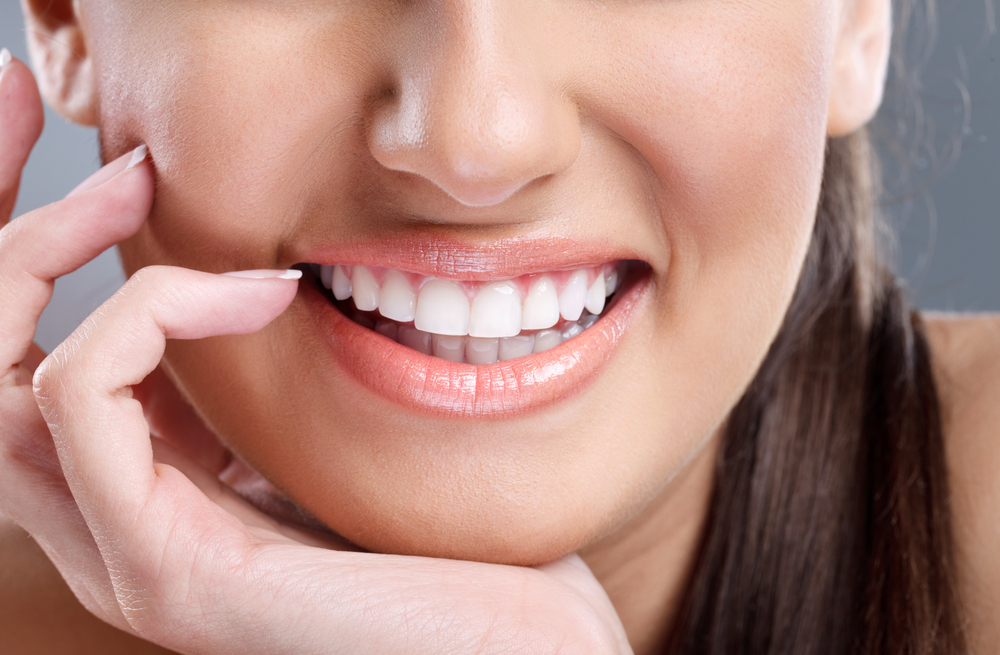
A smile can communicate confidence before a single word is spoken. It can soften an introduction, express warmth and influence how people feel about their appearance. In a world increasingly shaped by visual communication, it is hardly surprising that cosmetic dentistry has become an important part of modern self-care. Yet behind the desire for a brighter smile lies a more interesting question: how can people improve the appearance of their teeth without compromising their long-term oral health?
The answer begins with understanding the science of tooth colour, the chemistry of whitening agents and the importance of professional guidance. Modern cosmetic dentistry offers more options than ever, but the most satisfying results do not necessarily come from pursuing the whitest possible shade. They come from making informed decisions that balance aesthetics, safety and the natural characteristics of each smile.
Understanding Why Teeth Change Colour
Natural teeth are not uniformly white. Their colour reflects the interaction between enamel, the underlying dentine and the way light travels through these tissues. Enamel is relatively translucent, while dentine contributes much of the tooth’s underlying yellowish hue. Differences in thickness, structure and individual biology explain why healthy teeth naturally vary in colour.
Discolouration generally falls into two broad categories. Extrinsic stains develop on the tooth surface and may result from coffee, tea, red wine, tobacco or the accumulation of plaque and tartar. Intrinsic discolouration occurs within the tooth and can be associated with ageing, certain medications, dental trauma or developmental conditions.
These distinctions matter because different problems require different approaches. Professional cleaning may remove surface stains effectively, but it cannot necessarily change the underlying colour of a tooth. Conversely, whitening treatments may lighten natural tooth structure but will not remove hardened tartar or correct every type of intrinsic discolouration.
An appropriate assessment helps identify the cause before treatment begins. This prevents patients from spending money on a cosmetic solution that may not address their actual concern.
The Chemistry Behind Professional Teeth Whitening
Professional teeth whitening typically relies on peroxide-based agents, such as hydrogen peroxide or carbamide peroxide. These compounds release reactive molecules that interact with coloured compounds within the tooth, breaking down certain molecules responsible for discolouration and making them less visibly concentrated.
The process does not simply scrub the enamel until it looks white. Instead, it changes the chemistry of particular stain molecules within the tooth structure.
Depending on the product and treatment method, whitening may be performed in a dental clinic or through custom-fitted trays used at home under professional supervision. In-clinic treatments may use higher concentrations of whitening agents, while professionally prescribed home treatments allow gradual changes over a specified period.
Neither approach guarantees the same result for every patient. The original tooth colour, the nature of the stains, the treatment protocol and individual sensitivity all influence the outcome.
Temporary tooth sensitivity and gum irritation are recognised side effects. A dentist can help determine whether whitening is appropriate, explain the likely benefits and recommend ways to manage discomfort. Patients with untreated decay, active gum disease or other dental problems may need those conditions addressed before cosmetic treatment.
Importantly, crowns, veneers and tooth-coloured fillings generally do not whiten in the same way as natural teeth. Existing restorations may therefore become more noticeable if surrounding teeth change colour.
Why Professional Guidance Makes a Difference
The popularity of whitening products sold online and in retail stores can make cosmetic treatment appear deceptively simple. However, an attractive advertisement cannot establish whether a product is suitable for a particular person’s teeth.
Poorly fitted trays may expose the gums to whitening agents, while excessive use or inappropriate concentrations can increase irritation and sensitivity. Abrasive products may also wear tooth surfaces when used improperly, particularly if they encourage aggressive brushing.
A dental professional can assess enamel condition, existing restorations, gum health and the cause of discolouration before recommending a suitable option. This assessment also helps establish realistic expectations.
Sometimes, a professional clean and improved daily hygiene are enough to make teeth appear brighter. In other cases, supervised whitening may provide a worthwhile improvement. Where discolouration is caused by trauma, medication or structural changes, alternative treatments may need consideration.
The wisest cosmetic decision is not always the most intensive treatment. It is the one that addresses the concern while preserving the health and integrity of the teeth.
Cosmetic Dentistry and the Rise of the Dental Spa
The modern dental experience increasingly reflects a broader interest in wellbeing, personalisation and comfort. The global popularity of dental spa experiences illustrates how some patients now seek oral healthcare in environments that feel less clinical and more relaxing.
Depending on the practice, these settings may combine cosmetic dental services with calming interiors, attentive communication and amenities intended to reduce anxiety. For patients who feel uneasy about dental appointments, a more welcoming environment can make routine care feel less intimidating.
However, the term dental spa can describe different services and does not automatically indicate a particular clinical standard. A relaxing atmosphere cannot replace appropriate diagnosis, qualified practitioners, infection-control procedures or evidence-based treatment.
Patients should distinguish between the experience surrounding a procedure and the clinical quality of the procedure itself. A professional teeth whitening service should still begin with an assessment, include a clear explanation of risks and use appropriate products under suitable supervision.
Comfort matters, but it should complement clinical competence rather than serve as a substitute for it.
Modern Cosmetic Dentistry Beyond a Brighter Shade
Whitening is only one element of contemporary cosmetic dentistry. Depending on a patient’s needs, treatment may include tooth-coloured restorations, veneers, bonding or orthodontic correction.
These options address different concerns. Bonding can repair certain chips or alter tooth contours, while veneers may change the appearance of selected teeth. Orthodontic treatment can address alignment concerns that whitening alone cannot resolve.
The best treatment plan considers the smile as a whole, including tooth proportions, gum symmetry, facial features and the condition of existing dental work. In some situations, a conservative approach that preserves natural tooth structure is preferable to more extensive cosmetic procedures.
Digital photographs and smile simulations may help patients visualise potential changes, but these tools should support discussion rather than promise an exact outcome.
Maintaining Results Through Everyday Care
Whitening results are not necessarily permanent. Teeth can gradually accumulate new stains, and natural ageing continues to influence their appearance. Coffee, tea, tobacco and certain dietary habits may contribute to renewed discolouration.
Brushing twice daily with fluoride toothpaste, cleaning between the teeth, maintaining a balanced diet and attending regular dental appointments all contribute to oral health. Professional advice can also help patients determine whether occasional maintenance whitening is appropriate.
Repeated treatments should not become an automatic response to every perceived change in colour. Excessive whitening can increase sensitivity and irritation, making moderation an important part of cosmetic care.
A Brighter Smile Begins with Better Decisions
The science of cosmetic dentistry reveals that a beautiful smile is not defined by a single shade of white. It is shaped by healthy tissues, balanced proportions, individual characteristics and decisions that respect the limits of dental biology.
Professional teeth whitening can provide meaningful aesthetic improvements when selected and performed appropriately. Yet its greatest value lies in the combination of scientific understanding, realistic expectations and responsible care.
As cosmetic dentistry evolves and dental spa experiences continue to attract attention, Australians have more opportunities to explore treatments that align with their preferences. The essential principle remains unchanged: informed choices create a stronger foundation for lasting results.
A brighter smile may begin with a change in colour, but genuine confidence grows from knowing that the decision behind it supports both appearance and oral health.