

Tartar Causes Periodontal Disease: It’s Not Just Unsightly
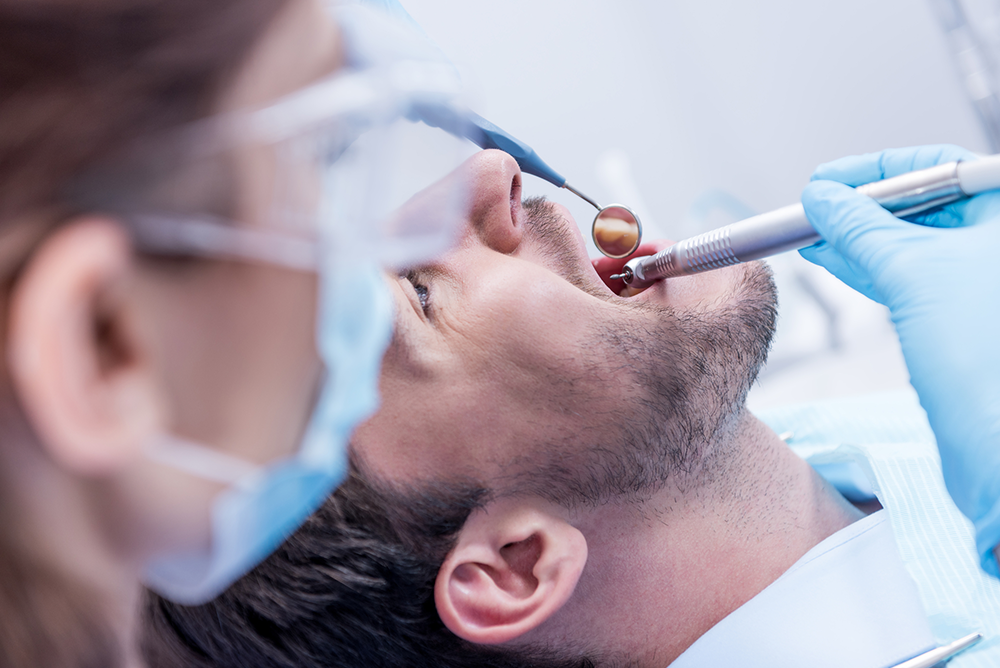
Emergency Dentistry: Festive Season Hazards
Despite our best efforts, dental emergencies do occasionally occur. If this happens, you may not be sure whether to call a dentist immediately or wait to schedule an appointment. Sadly, some dental emergencies happen during the festive season and can ruin your nice time with friends and loved ones.
Check out some of the emergency dentistry festive season hazards:
1. Severe toothache
Toothaches typically indicate severe issues like infection or deterioration. Rinsing with either cold or warm water can provide temporary relief depending on the type of toothache. It is advised to use over-the-counter medicines until you can make a consultation appointment with your dentist. Besides, severe unexplained may lead to the sudden need for root canal treatment, which is best performed at the dentist’s office.
2. Knocked-out tooth
If trauma or accident leads to a knocked-out tooth, you don’t have much time to spend. If the tooth receives emergency care within two hours of being knocked out, it can get repaired back into its socket.
In this situation, gently rinse the teeth in saline or saltwater to remove any visual material or blood. Set up an appointment with an emergency dentist after placing the tooth in a small container filled with saliva if you don’t have access to saline.
3. Impaired braces
Your tongue, cheeks, or gums could be poked or scraped if a wire in your braces has broken or fallen loose. This necessitates contacting a local dentist for emergency dental care. You might try covering the wire end with gauze or a little cotton ball as a stopgap. Once the wire has been stopped from causing more harm, make an emergency consultation as soon as possible.
4. Tooth injury
A tooth injury is any damage to a tooth or the jaw as a whole. The tooth could become loose or even be knocked out of place due to an injury. Injuries of the oral cavity from Christmas light burns are common during festivities and require immediate attention. If this occurs, get prompt dental care or call an emergency dentist.
5. Abscess
Bacteria in the mouth are dangerous, mainly those close to a tooth’s root or in the gap between a person’s teeth and gums. They can spread to other teeth, nearby gum tissue, and the entire body if left untreated.
Are you unsure whether you have an abscess? Look for a painful, swelling, pimple-like area on your gums. Apply ice to the swollen area and rinse your mouth with a gentle water solution and visit your dentist.
6. Lost filling or crown
Crowns and fillings restore previously harmed teeth to their optimal aesthetics and functionality. Take care of this as soon as they break to stop further damage or reinfection. Fill the fracture with sugar-free gum to prevent further damage to the tooth, but do not try to fix it yourself. While you are waiting for emergency dental care, try this temporary solution.
Final thoughts
Regular dentist visits are the best approach to maintaining oral health. However, knowing which dental crises happen the most frequently and how to handle them is ideal. Above are great examples of emergency dentistry hazards to beware of this festive season.

Does Periodontitis Affect Your Eyesight?
Your eyes are the windows to your soul, but did you know that they can also be a window into your oral health? Gum disease is an incredibly common condition that affects millions of people worldwide. While it’s well-known that gum disease can lead to tooth loss and other dental problems, many people don’t realize that it can also affect their eyesight. In this blog post, we’ll take a closer look at how gum disease can impact your vision and what you can do to prevent it from happening. So sit back, relax and get ready to learn something new about your oral health!
What is Gum Disease & What Is Periodontitis?
Gum disease, also known as periodontal disease, is a bacterial infection that affects the tissues surrounding and supporting your teeth. It’s caused by a buildup of plaque on your teeth that eventually hardens into tartar if not removed through proper oral hygiene practices like brushing and flossing.
There are two main types of gum disease: gingivitis and periodontitis. Gingivitis is the early stage of gum disease and can be reversed with proper treatment, while periodontitis is more severe and can lead to tooth loss if left untreated.
The symptoms of gum disease include redness, swelling, bleeding gums, bad breath or taste in the mouth, loose or shifting teeth or changes in bite pattern. However some people may experience no symptoms at all despite having advanced stages of gum diseases.
While many people assume that only those who don’t practice good oral hygiene are susceptible to gum disease, it’s actually quite common even among those who brush their teeth regularly. That’s why regular dental checkups are important for everyone – they can help catch any signs of gum problems before they become serious issues!
Causes of Gum Disease & Periodontitis
Gum disease is a common dental problem that affects many people worldwide. There are several causes of gum disease, including poor oral hygiene, genetics, smoking, and certain health conditions such as diabetes.
Poor oral hygiene is the most common cause of gum disease. When you don’t brush your teeth regularly or floss properly, plaque builds up on your teeth and gums. This can lead to inflammation and irritation of the gums which eventually leads to periodontal disease.
Genetics also plays a role in gum disease. Research has shown that some people have genes that make them more susceptible to developing periodontitis.
Smoking is another significant contributor to gum disease development as it weakens the immune system’s ability to fight off infections in the mouth.
Medical conditions such as diabetes can increase an individual’s risk for developing gum diseases due to impaired blood flow causing reduced oxygen supply leading towards unhealthy gums.
It’s important always having good oral hygiene practices like brushing twice daily with fluoride toothpaste followed by flossing daily along with having regular check-ups with dentists at least every six months will help maintain healthy teeth and prevent future problems concerning Gum Disease.
Symptoms of Gum Disease & Periodontitis
Symptoms of gum disease can vary depending on the severity and stage of the condition. In the early stages, gums may appear red and swollen, and they may bleed when brushing or flossing. This is called gingivitis.
As gum disease progresses to periodontitis, symptoms become more severe. Gums start to pull away from teeth and pockets form between them that collect bacteria. This can lead to bad breath, tooth sensitivity, receding gums, loose teeth or even tooth loss.
Advanced periodontitis can also cause pain while chewing food and a change in bite alignment due to shifting teeth position. It’s important not to ignore any signs of gum disease as it can lead to further complications if left untreated.
If you notice any symptoms of gum disease mentioned above, schedule an appointment with your dentist as soon as possible for proper diagnosis and treatment options such as deep cleaning procedures like scaling and root planning or antibiotics therapy depending on how advanced the case is.
Do Gum Disease & Periodontitis Affect Your Eyesight?
Gum disease is a condition that affects the tissues surrounding your teeth, causing inflammation and possibly leading to tooth loss if left untreated. While gum disease primarily affects your oral health, recent studies have suggested that it may also be linked to other health issues throughout the body, including eyesight.
Research has shown that there may be a connection between gum disease and age-related macular degeneration (AMD), which is a common cause of vision loss in people over 50. This connection likely stems from the inflammatory response caused by gum disease, which can affect blood vessels in the eyes and lead to damage in the retina.
While more research needs to be conducted on this potential link between gum disease and AMD, it’s clear that maintaining good oral health through regular brushing, flossing, and dental check-ups can help prevent not only tooth decay but potentially other health conditions as well. So take care of those pearly whites – your overall wellbeing might just thank you for it!
Can It Lead to Blindness?
Gum disease does not directly cause blindness, but it can certainly contribute to vision problems. When bacteria build up in the gums and teeth, they can enter the bloodstream and travel throughout the body.
Studies have shown that people with gum disease are more likely to develop conditions such as diabetes, heart disease, and stroke – all of which can affect eyesight. For example, high blood sugar levels from diabetes can damage blood vessels in the eyes and lead to diabetic retinopathy.
In addition, chronic inflammation caused by gum disease has been linked to age-related macular degeneration (AMD), a leading cause of vision loss in older adults.
While gum disease may not directly result in blindness, it is clear that maintaining good oral health is important for overall health – including eye health. Regular dental check-ups and proper brushing and flossing habits can go a long way towards preventing gum disease and its potential complications.
Treatment for Gum Disease
If you suspect that you have gum disease, it’s important to see a dentist as soon as possible. Treatment for gum disease will depend on the severity of your condition.
For mild cases of gum disease, a professional cleaning and improved oral hygiene may be enough to reverse the problem. This typically involves scaling and root planning, which is a deep cleaning procedure that removes plaque and tartar from above and below the gumline.
More advanced cases of gum disease may require additional treatment methods such as antibiotic therapy or surgery. Antibiotic therapy can help eliminate bacteria causing infection in gums while surgery helps remove damaged tissue in severe stages.
The ultimate goal of treatment for gum disease is to prevent further damage by eliminating infections, reducing inflammation, promoting healing and preventing tooth loss.
After successful treatment for periodontitis, tooth restoration is used to prevent infection and gum diseases.
Dental implants are also an option if there are teeth already lost due to Severe Gum Disease.
While dental implants were once considered only for the wealthy, the cost has come down over time making them more attainable than ever before.
Maintaining good oral hygiene is essential to prevent gum disease and other dental problems. Gum disease not only affects your teeth and gums but can also have an impact on your overall health, including your eyesight. The bacteria from infected gums can enter the bloodstream, leading to inflammation in different parts of the body.
While there is no direct evidence that gum disease causes blindness, studies suggest a correlation between advanced periodontitis and age-related macular degeneration, one of the leading causes of vision loss in adults over 50 years old.
It’s important to address any signs of gum disease immediately with proper treatment such as scaling and root planning or dental implants if needed. Tooth restoration procedures are also effective in preventing further infection and protecting against tooth loss.
Don’t let fear or financial concerns stop you from seeking proper dental care. Dental implants are not only for the wealthy; many affordable options exist today for individuals who need them.
Maintaining optimal oral health through regular brushing, flossing, and professional cleanings is crucial for overall well-being. Don’t overlook any symptoms of gum disease or delay seeking professional help when necessary as it could affect more than just your smile!

Australian Orthodontists Very Satisfied With Their Associations
Australian orthodontist is a dental specialist who prevents, diagnoses, and treats facial irregularities and is very satisfied with their associations. They straighten crooked or misaligned teeth, fix bad bites, and make sure jaws are correctly aligned. Orthodontic treatments aim to improve the way the teeth and jaws function, as well as the person’s smile or aesthetic appearance.
What Training Do Australian Orthodontists Have?
After completing a general dental degree and at least 2 years of practice as a dentist, an orthodontist undergoes a further 3 years of specialist training at university.
In Australia, most orthodontists are members of the Australian Society of Orthodontists. You can visit the Australian Health Practitioner Regulation Agency website to check if an orthodontist is registered both as a general dentist and a specialist dentist.
What Conditions Do Orthodontists Treat?
Orthodontists treat children, teenagers, and adults whose teeth are crooked, or whose jaws are not correctly aligned. They often treat bite problems caused by the upper and lower teeth not ‘fitting together’ properly.
Orthodontists Australia treatment to straighten the teeth and correct a bite can take 18 months or more since the teeth need to be brought into correct alignment gradually. The most common treatment, usually done in teenagers, is straightening or aligning the teeth with metal braces or clear aligners. The person may have other appliances fitted, such as expansion plates, braces, or bite-correcting springs.
Adults may prefer to have lingual braces, which are fitted to the inside of the teeth. People commonly seek treatment from orthodontists when they have:
- difficulty or pain with biting or chewing
- crooked, uneven, protruding, or crowded teeth
- an underbite or overbite
- jaws and teeth that are out of proportion to the rest of the face
- problems breathing through the mouth or snoring
- speech problems
Some people go to orthodontists to close wide gaps between their teeth or improve the appearance of their smile.
What Orthodontists Does Will Cost?
Orthodontic treatment is expensive. For example, an 18-month treatment plan using traditional metal braces can cost between $6,000 and $9,000. The costs are not covered by Medicare or the government’s national Child Dental Benefits Scheme.
Some states orthodontists have great lifestyles, such as South Australia and New South Wales, offer free or subsidised orthodontic treatment to certain eligible children through the public health system. The treatment may be limited to severe conditions. The organisation Gives a Smile, a charitable arm of the Australian Society of Orthodontists, also provides free braces to some children.
If you have private health insurance, the extras may include some of the costs of private orthodontic treatment. Before you or your children start on a course of orthodontic treatment, get quotes from a few orthodontists so you can compare them.
Find out how much your private health fund will pay. Some health funds have a 12-month waiting period before you can claim benefits for orthodontic treatment. You may be able to find an orthodontist who offers an interest-free payment plan.
Periodontal Disease Afflicts Poorer Populations
Our age of Covid, which threatens to continue for years to come, is one where Covid will continue to hog the headlines. Other even more prevalent diseases such as cardiovascular disease and all the wide variety of cancers get so little publicity during this time. It’s the same for dental diseases – but almost all diseases seem to flourish more where there is poverty. Even obesity!
Periodontal diseases are prevalent both in developed and developing countries and affect about 20-50% of the global population. High prevalence of periodontal disease in adolescents, adults, and older individuals makes it a public health concern. Several risk factors such as smoking, poor oral hygiene, diabetes, medication, age, hereditary, and stress are related to periodontal diseases. Robust evidence shows the association of periodontal diseases with systemic diseases such as cardiovascular disease, diabetes, and adverse pregnancy outcomes.
Periodontal disease is likely to cause 19% increase in the risk of cardiovascular disease, and this increase in relative risk reaches to 44% among individuals aged 65 years and over. Type 2 diabetic individuals with severe form of periodontal disease have 3.2 times greater mortality risk compared with individuals with no or mild periodontitis.
Periodontal therapy has been shown to improve glycemic control in type 2 diabetic subjects. Periodontitis is related to maternal infection, preterm birth, low birth weight, and preeclampsia.
Oral disease prevention strategies should be incorporated in chronic systemic disease preventive initiatives to curtail the burden of disease in populations. The reduction in the incidence and prevalence of periodontal disease can reduce its associated systemic diseases and can also minimise their financial impact on the health-care systems. It is hoped that medical, dental practitioners, and other health-care professionals will get familiar with perio-systemic link and risk factors, and need to refer to the specialised dental or periodontal care.
Increased cancer risk because of periodontal disease has been demonstrated by Michaud and colleagues. The risk of tongue cancer increases 5.23 times with each millimeter loss of alveolar bone. Fitzpatrick and Katz observed that the relationship between periodontitis and oral, esophageal, gastric, and pancreatic cancers have been reported more consistently in literature than with lung and prostate cancers.
The challenge in both poorer and more developed countries is that periodontal and gum disease treatments take time to work and when it comes to medical centres, time is money, and like any business they are time-poor.
The WHO response
Eight years after the United Nations High-Level Meeting on Noncommunicable Diseases recognised that oral diseases pose a major health burden for many countries, 2019 saw the inclusion of oral health in the Political Declaration on Universal Health Coverage. During the same period, Members States, with the support of the WHO, developed and endorsed strong regional strategies and calls for action in favour of oral health in the African, East Mediterranean, South-East Asia and Western Pacific regions.
In such a context, WHO is committed to ensuring promotion of oral health and quality, essential treatment for oral health conditions for all people in all countries without individual financial hardship.
Reducing oral health conditions calls for a reform of oral health systems to shift the focus from invasive dental treatment to prevention and more minor treatment.
WHO has identified key strategies for improving oral health, with a focus on low-income and marginalised populations where access to oral health care is most limited. These include strengthening both cost-effective population-wide prevention and patient-centred primary health care.
This work is being implemented through a three-year roadmap (2019-2021) that comprises a mix of normative work and practical support to countries. A top priority is the development of a global oral health report, which will provide information about the status of oral health globally. The report will serve as the evidence base for the development of a global oral health action plan.
WHO also supports countries in this area by:
supporting interventions to accelerate the phase-down of dental amalgam in the context of the Minamata Convention on Mercury;
building capacity and providing technical assistance to countries to support a life-course approach and population-based strategies to reduce sugar consumption, control tobacco use, and promote fluoride-containing toothpaste and other vehicles of fluoride;
providing assistance to strengthen oral health systems such that they are an integral part of primary health care and do not cause financial hardship; and
reinforcing oral health information systems and integrated surveillance with other noncommunicable diseases to demonstrate the scale and impact of the problem and to monitor progress achieved in countries.
Cultural superiority is a foul-smelling state of mind and yet we still see Westerners who visit Third-World countries and then comment that the locals had bad breath as well as body odour. And it’s true that with periodontal disease, it often begins with foul breath and bleeding gums so foreign snobs are making a semi-valid point. Doesn’t excuse their pomposity though. Blame the British royals, lords and land-owners for their lousy breeding that makes them so selfish.

How Dental Crowns Can Save And Support Your Tooth
Your dentist will always aim to help you preserve your natural teeth as much as possible. If your gum or enamel is damaged, they will suggest the ideal restorative measures that will keep your teeth intact to avoid further damage or extraction. One way dentists can do this is by using dental crowns.
What Are Dental Crowns?
Dental crowns are shaped like your tooth and get placed over them. They are used to cover, protect and restore your teeth’ shape when fillings don’t solve the dental problem. These crowns can be made of resin, ceramics, porcelain, and metal. As long as you take precautions, maintaining them is easy. Also, dental crowns save your teeth whenever possible and, in this article, we discuss how.
Reasons You Might Need A Crown.
- Tooth decay
- Root canal
- Improving tooth’s appearance
- A large or fractured filling
- A broken or cracked tooth
- Holding a dental bridge
- Covering a dental implant
How Dental Crowns Can Protect Your Teeth
Some of the ways a dental crown can protect your tooth include:
Surrounds Your Entire Tooth
A dental crown surrounds your entire tooth. That ensures maximum protection at all times. Dental Crowns Can Save Multiple Teeth unlike a filling that will only protect a part of your tooth.
Strengthens Your Tooth
A dental crown improves your tooth’s structure and holds your tooth together. That prevents further damage such as chips, breaks, cracks, wear, and so on.
Restores Your Tooth’s Function
A dental crown restores the full function of your tooth, meaning that you’ll continue to enjoy pain-free teeth. You don’t have to worry about damaging your teeth. It also helps you to speak more clearly and confidently.
Offer A Barrier
A dental crown keeps your tooth structure safe from food particles, harmful saliva, acids, bacteria, etc.
How Crowns Repair Your Teeth
When you get a crown, any decayed, unhealthy, and damaged portions of your tooth get removed. The dentist then shapes the remaining sound tooth structure so that the dental crown will securely hold on to it.
Once your crown gets placed, your tooth gets restored. Its original shape, durability, size, and health get restored. A crown may also help to work on misaligned, stained, and discolored teeth.
Benefits Of Having A Dental Crown
By restoring your tooth with a dental crown, you’ll enjoy:
An Enhanced Smile
Dental crowns enhance the color and shape of the tooth. It makes the tooth look more natural. If your teeth need significant repair, the best idea is to get a crown.
Boosted Confidence
When you feel good about how you look, it boosts your confidence. A dental crown will help you achieve a beautiful smile and makes you feel good about yourself.
Protection
Dental crowns offer a perfect way to protect your damaged, broken, or chipped tooth.
Save Money
By avoiding further damage, you keep your teeth from experiencing other issues down the line. When you don’t have to go to the dentist, you save so much money in the long run. Visiting a reputable dentist will make all the difference. A professional dentist will provide you with the treatment you need, and aim to spread Positive Dental Messages Via Social Media Marketing concerning dental and oral care.

Dentists in Greece & Germany Should Work Close Together
Introduction
In the world of dentistry, collaboration and exchange of expertise are invaluable assets for delivering optimal oral healthcare. While each country may have its own unique dental practices and approaches, there is immense value in dentists from different regions working closely together. In this article, we explore the benefits of fostering collaboration between dentists in Greece and Germany, highlighting how such partnerships can enhance patient care and professional development.
1. Sharing Knowledge and Expertise:
Dentistry is a field that constantly evolves with advancements in technology, techniques, and treatments. By connecting dentists from Greece and Germany, there’s an opportunity to exchange knowledge and expertise. For instance, Greek dentists may bring insights into traditional dental practices or unique challenges they face, while German dentists can share their experiences with cutting-edge technologies and research. This exchange can enrich both parties and lead to enhanced patient outcomes.
2. Cultural Diversity in Patient Care:
Greece and Germany boast rich cultural diversity, and this extends to their healthcare systems, including dentistry. Dentists from each country can learn from one another about culturally sensitive approaches to patient care. Understanding different cultural norms and expectations can help dentists provide more personalized and effective treatments, catering to the diverse needs of their patients. This collaboration can also foster a deeper appreciation for cultural differences and promote inclusivity within the dental profession.
3. Addressing Common Oral Health Challenges:
While Greece and Germany may have distinct healthcare systems, they often face similar oral health challenges such as periodontal disease, dental caries, and oral hygiene issues. By working together, dentists can pool their resources and expertise to address these common challenges more effectively. This may involve sharing best practices in preventive care, treatment protocols, or even collaborating on research projects to develop innovative solutions to oral health problems.
4. Strengthening Professional Networks:
Building professional networks is essential for career growth and development in any field, including dentistry. By fostering connections between dentists in Greece and Germany, opportunities for networking and collaboration can be amplified. These connections can lead to referrals, mentorship opportunities, and collaborative ventures that benefit both individual practitioners and the dental profession as a whole. Moreover, with the advancement of technology, dentists can easily connect with their peers globally, including in countries like Australia, further expanding their professional networks. Connecting with dentists even in Australia opens up opportunities for cross-cultural exchange, collaborative research, and sharing of best practices, enriching the global dental community and ultimately benefiting patients worldwide.
5. Enhancing Continuing Education:
Continuing education is crucial for dentists to stay updated on the latest advancements in their field and maintain licensure requirements. Collaborative efforts between dentists in Greece and Germany can facilitate access to a wider range of continuing education opportunities. Whether through conferences, workshops, or online courses, dentists can leverage each other’s networks to access high-quality educational resources. This cross-pollination of knowledge can lead to continuous professional growth and ensure that dentists remain at the forefront of dental innovation.
6. Promoting Research and Innovation:
Research is the backbone of advancements in dentistry, driving innovation and improving patient care. By fostering collaboration between dentists in Greece and Germany, there’s a unique opportunity to initiate joint research projects and share resources for scientific inquiry. Whether investigating new treatment modalities, exploring oral health disparities, or conducting clinical trials, collaborative research endeavors can yield valuable insights and contribute to the advancement of the dental profession on a global scale.
Conclusion
In conclusion, the collaboration between dentists in Greece and Germany holds immense potential for advancing oral healthcare and professional development. By sharing knowledge, embracing cultural diversity, addressing common challenges, strengthening professional networks, enhancing continuing education, and promoting research and innovation, dentists can elevate the standard of care for patients while fostering a sense of unity within the dental community. Furthermore, with the ease of connectivity in today’s digital age, dentists can extend this collaboration beyond borders, connecting with peers worldwide, including in countries like Australia, for a truly global impact on oral health. Together, dentists can work towards a future where access to high-quality dental care knows no bounds.