

The Soothing Benefits of Sleep Dentistry for Anxious Patients
For many people, visiting the dentist can be an uncomfortable experience filled with nervous anticipation. The sound of dental instruments, the thought of discomfort, and even the sterile scent of a clinic can heighten anxiety levels. This fear often prevents individuals from receiving essential oral care, leading to more serious dental problems over time. Thankfully, modern advancements in dentistry offer a compassionate solution—sleep dentistry. This innovative approach has transformed the dental experience, providing comfort and calm for patients who struggle with fear and anxiety during treatments.
Sleep dentistry, also known as sedation dentistry, allows patients to undergo dental procedures while being in a deeply relaxed or semi-conscious state. Depending on the type of sedation used—ranging from mild inhalation sedation (laughing gas) to oral sedatives or intravenous (IV) sedation—patients can experience a soothing and anxiety-free visit. It’s not just about reducing fear; it’s about making dental care accessible, comfortable, and even pleasant. With options tailored to each patient’s comfort level, your calmest dental visit awaits with sleep dentistry offered at New Gisborne Dental House.
Understanding Dental Anxiety
Dental anxiety is more common than most people realise. For some, it stems from past traumatic experiences or a fear of needles, while others may feel uneasy about losing control in the dentist’s chair. Studies suggest that up to 36% of the population experiences some form of dental fear, and about 12% have severe dental anxiety that prevents them from seeking care altogether. This avoidance can result in worsening dental conditions that require more extensive treatment later on—a cycle that reinforces the fear.
Sleep dentistry helps break this cycle. By removing the stress and pain associated with dental procedures, it empowers patients to maintain their oral health without the emotional strain. The result is a smoother, gentler approach that prioritises emotional well-being as much as physical care.
The Emotional Comfort of Sleep Dentistry
One of the key benefits of sleep dentistry is the sense of emotional relief it brings. Patients no longer have to endure racing thoughts or tense muscles during their appointments. Instead, they can drift into a peaceful, dream-like state where fear and discomfort fade away.
This approach is particularly beneficial for individuals with:
- Severe dental phobia or previous traumatic dental experiences
- Low pain tolerance or difficulty staying still
- Sensitive gag reflexes that make procedures uncomfortable
- Special needs or sensory sensitivities
By addressing these barriers, sleep dentistry creates a safe space where patients can trust their dental team and feel supported throughout their treatment. This trust often extends beyond the procedure itself, helping patients develop a more positive relationship with dental care over time.
A Seamless Experience from Start to Finish
The process begins with a consultation, where the dentist discusses the patient’s medical history, level of anxiety, and treatment requirements. Based on this information, the most suitable sedation method is chosen. On the day of the procedure, patients are closely monitored by trained professionals to ensure safety and comfort.
After treatment, patients typically awaken with little or no memory of the procedure. What they remember, instead, is the relief of having completed their dental work without fear or stress. This positive reinforcement encourages more consistent dental visits in the future—something that’s essential for long-term oral health.
The Healing Power of Trust and Compassion
Beyond the physical comfort of sedation, sleep dentistry fosters an emotional connection between patients and their dental care providers. When fear is acknowledged and addressed with empathy, it transforms the entire experience. Patients feel heard, understood, and respected—qualities that make a world of difference in healthcare settings.
This compassionate approach also reduces the stigma surrounding dental fear. Instead of feeling embarrassed or ashamed of their anxiety, patients are encouraged to see it as a natural and manageable response. Dentists who specialise in sleep dentistry are not only skilled clinicians but also empathetic listeners who understand the emotional side of dental care.
Encouraging a Lifetime of Oral Health
The benefits of sleep dentistry extend far beyond the chair. When patients feel safe and comfortable, they’re more likely to keep up with regular check-ups, preventative treatments, and overall oral hygiene. This consistency reduces the risk of cavities, gum disease, and other dental complications—leading to healthier, happier smiles.
It’s a gentle reminder that modern dentistry isn’t just about technology and precision; it’s about empathy and care. By recognising and addressing dental anxiety, practitioners are helping patients rediscover the confidence to smile freely again. For those who have long avoided the dentist due to fear, sleep dentistry can be a life-changing experience—one that turns apprehension into assurance.
Indeed, a gentle journey begins when fear is acknowledged, as explored in this insightful guide, encouraging patients to embrace a future of comfort, trust, and lasting oral wellness.
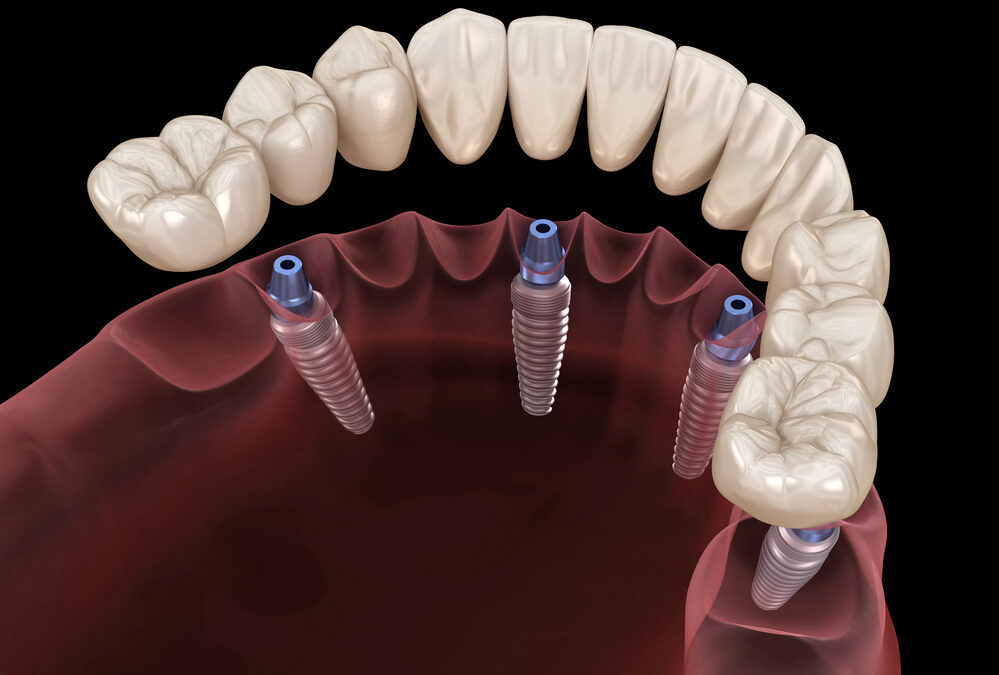
Why All-On-4 Plus™ is Changing the Game in Implant Dentistry
In recent years, the field of implant dentistry has undergone significant innovation, offering patients more efficient, predictable, and long-lasting solutions for full-arch tooth replacement. Among these advancements, All-On-4 Plus™ has emerged as a game-changing approach, reshaping how dentists restore smiles and how patients experience full-mouth rehabilitation. With the integration of cutting-edge dental software, immediate functionality, and reduced need for bone grafting, All-On-4 Plus™ represents a superior alternative to traditional dentures and older implant methods.
What is All-On-4 Plus™?
All-On-4 Plus™ is an advanced full-arch restoration technique that builds upon the foundation of the traditional All-On-4 concept. Originally designed to support a full set of prosthetic teeth using only four dental implants, the “Plus” approach incorporates modern enhancements in implant placement, prosthetic design, and digital planning. This system allows for immediate loading—meaning patients can walk out of the clinic with a fixed set of teeth on the same day as their surgery.
Unlike removable dentures, All-On-4 Plus™ provides a stable, permanent solution that restores the look, feel, and function of natural teeth. It’s ideal for patients with significant tooth loss, failing dentition, or those who want to avoid the drawbacks of traditional removable options.
The Role of Advanced Dental Software
One of the most transformative aspects of All-On-4 Plus™ is the integration of dental software at every stage of treatment. Digital technology is no longer a luxury—it’s a necessity for precision, planning, and patient satisfaction.
Using advanced 3D imaging and diagnostic tools, dental professionals can virtually plan the entire implant placement procedure before surgery even begins. Dental software allows for digital impressions, CBCT scans, and facial mapping, which help design the optimal prosthetic fit and alignment. This leads to better aesthetic outcomes and improved bite function.
Moreover, this software-driven workflow reduces human error and shortens chair time. Surgeons can simulate the placement of implants with millimetric precision, avoiding anatomical structures and ensuring maximum bone support—often eliminating the need for additional procedures like bone grafting or sinus lifts.
Faster, Less Invasive, and More Predictable
Another reason All-On-4 Plus™ is changing the game is its ability to deliver faster results with minimal invasiveness. Traditional full-mouth restorations often involve multiple surgeries, long healing periods, and temporary prosthetics that are uncomfortable and limiting.
With All-On-4 Plus™, patients often receive their implants and a fully functional fixed bridge in a single day. This immediate loading protocol significantly reduces healing time, minimizes discomfort, and helps patients return to daily life with renewed confidence.
The surgical procedure is also less invasive because it often avoids bone grafting. By angling the rear implants strategically, the dentist can use existing bone more effectively. This not only expands the pool of eligible patients—including those who were once told they lacked enough bone—but also reduces treatment costs and duration.
Aesthetics That Go Beyond Expectations
For many patients, a beautiful smile is more than cosmetic—it’s psychological and social empowerment. All-On-4 Plus™ prosthetics are custom-designed using advanced dental software, which allows for lifelike color, shape, and proportion to match the patient’s facial structure and smile goals.
Because of this level of personalization, patients experience not just restored oral function but a dramatic boost in self-esteem. Smiles look natural and feel comfortable, often leading others to believe the implants are real teeth.
Long-Term Durability and Lower Maintenance
All-On-4 Plus™ bridges are crafted from high-quality materials such as titanium and zirconia, offering durability that can last decades with proper care. These materials are biocompatible, reducing the risk of rejection or inflammation and ensuring a more stable integration with the jawbone.
Additionally, fixed prosthetics require less daily maintenance compared to removable dentures. With regular dental check-ups and good oral hygiene, patients can enjoy their smiles for years without the fear of slipping, clicking, or discomfort.
A New Standard for Dental Practices
From a clinical perspective, All-On-4 Plus™ has also elevated the standard of care in dental practices. By adopting dental software for digital workflows, clinics can streamline their processes, improve communication within their dental teams, and offer predictable, reproducible results.
The technology allows dentists to show patients their future smile before treatment even begins, increasing transparency and patient confidence. Treatment plans are more personalized and data-driven, reducing surprises and enhancing the overall experience.
Long-term Solutions
As more people seek reliable, long-term solutions for missing teeth, All-On-4 Plus™ continues to stand out as a revolutionary method in implant dentistry. Its combination of surgical precision, aesthetic excellence, immediate functionality, and the power of dental software has made it the preferred choice for both clinicians and patients alike.
In a world where time, comfort, and outcomes matter more than ever, All-On-4 Plus™ is not just a treatment—it’s a new way forward for those dreaming of a complete, confident, and lasting smile.

The Dentist’s Guide to Managing Anxious Patients
Dental anxiety is a prevalent and often underestimated barrier to oral health. For many patients, the mere thought of sitting in a dentist’s chair is enough to cause panic or distress. As dental professionals, it’s not only essential to deliver high-quality care but also to create a supportive environment where patients feel safe and understood. This article serves as a practical guide for dentists who wish to help patients transcend dental anxiety and embrace better oral health through trust-building, effective communication, and modern techniques like sleep dentistry.
Understanding the Roots of Dental Anxiety
Before implementing strategies to manage anxious patients, it’s important to understand the underlying causes. Dental anxiety can stem from various factors:
- Previous traumatic dental experiences
- Fear of pain or needles
- Loss of control in the dental chair
- Embarrassment about oral health
- Sensitivity to sounds, smells, or sensations
Each patient’s experience is unique. Understanding their history and personal triggers is the first step to helping them transcend dental anxiety.
Building Trust from the First Contact
Trust begins even before the first appointment. Train your front desk staff to speak kindly and patiently, especially when dealing with new or nervous patients. A warm tone and a willingness to answer questions can go a long way in setting a positive tone.
Offer potential patients the opportunity to visit the clinic for a “meet and greet” before any dental procedures. Showing them around the clinic, introducing them to the dental team, and explaining the treatment process can help ease their fears.
Open and Honest Communication
Communication is the cornerstone of anxiety management. Take the time to:
- Explain procedures in simple, reassuring language
- Discuss options for pain relief and relaxation techniques
- Ask patients about their fears and previous dental experiences
- Encourage them to use a signal (like raising a hand) when they need a break
By involving the patient in the process and giving them a sense of control, dentists can make them feel empowered rather than vulnerable.
Creating a Calming Environment
A dental clinic that feels welcoming and peaceful can make a big difference for anxious patients. Consider:
- Soft lighting and soothing music
- Aromatherapy to mask clinical smells
- Comfortable waiting areas with minimal noise
- Blankets, stress balls, and noise-cancelling headphones during procedures
These small changes can help create a more relaxing space where patients feel more comfortable and less on edge.
The Power of Sleep Dentistry
One of the most effective solutions for patients with moderate to severe anxiety is sleep dentistry. Also known as sedation dentistry, this approach involves the use of sedatives to help patients feel calm or even sleep through the procedure.
There are different levels of sedation:
- Nitrous oxide (laughing gas): Ideal for mild anxiety; wears off quickly.
- Oral sedation: Taken as a pill before the appointment; helps the patient feel drowsy and relaxed.
- IV sedation: Administered intravenously, offering deeper relaxation.
- General anesthesia: The patient is completely unconscious during the procedure, typically reserved for extreme cases or complex surgeries.
Sleep dentistry allows patients to undergo essential treatments without experiencing the psychological stress they normally associate with dental visits. It’s a powerful tool that enables many to transcend dental anxiety and finally receive the care they need.
Empowering Patients with Education
Fear often stems from the unknown. Educating patients about procedures, outcomes, and available options can demystify dentistry and reduce anxiety. Use visual aids, videos, and models to explain what they can expect.
Also, provide post-treatment care instructions in a clear and reassuring manner, both verbally and in writing. Follow-up calls after treatment can show that you care about their recovery and emotional well-being.
Establishing Long-Term Confidence
Managing dental anxiety is not about a one-time fix. It’s about building a long-term relationship based on trust, comfort, and consistency. Offer regular check-ins and remind patients that you’re there for them, even for the smallest concern.
Encourage patients to schedule shorter, more frequent visits rather than waiting until an issue becomes urgent. These non-invasive appointments help them become familiar with the clinic and reduce overall fear.
Training Your Team
Every member of your team should be educated in handling anxious patients with empathy. From the receptionist to the dental assistant, consistent communication and a gentle approach are essential. Encourage team members to learn calming techniques, body language cues, and how to reassure nervous individuals effectively.
As a dental professional, you have the unique ability to transform fear into confidence. Helping patients transcend dental anxiety doesn’t just improve their experience in the chair—it can change their entire attitude toward oral health.
Whether it’s through compassionate communication, creating a calming environment, or leveraging modern solutions like sleep dentistry, your efforts can make a profound difference. By prioritizing patient comfort alongside clinical excellence, you’ll foster loyalty, trust, and ultimately, better health outcomes for even the most anxious patients.

Understanding Root Canal Retreatment: When and Why It’s Needed
A root canal treatment is often the last resort to save a natural tooth from extraction. When done correctly, this procedure can offer long-lasting relief and restore full functionality to a deeply infected tooth. However, like any medical treatment, there are instances when a root canal might not heal as expected or new problems may develop. In such cases, root canal retreatment becomes necessary. This article explores what retreatment involves, why it may be needed, and how it helps preserve your natural smile.
What Is Root Canal Retreatment?
Root canal retreatment is a dental procedure performed when a previously treated tooth has not healed properly or has developed new issues. During the original root canal treatment, the infected or inflamed pulp inside the tooth is removed, the inner chamber is cleaned, disinfected, and sealed. However, in some cases, the tooth doesn’t respond as expected, and infection can persist or return.
Retreatment involves reopening the affected tooth, removing the existing filling materials, carefully cleaning and inspecting the root canals, and then sealing the tooth once more to prevent further infection. In most cases, the retreatment is done by an endodontist—a dental specialist trained in root canal procedures.
When Is Root Canal Retreatment Needed?
There are several reasons a tooth may require retreatment after an initial root canal treatment. These include:
1. Persistent Infection
If bacteria remain in the root canals due to complicated root anatomy or missed canals, the infection may not fully resolve. Symptoms like pain, swelling, or a recurring abscess might indicate that the infection has lingered.
2. New Decay or Cracks
A tooth that has undergone a root canal treatment may become more brittle over time. If new decay occurs, or the tooth cracks, bacteria can re-enter and compromise the previous work, necessitating retreatment.
3. Improper Healing
Sometimes, a tooth simply doesn’t heal as expected due to underlying conditions or an individual’s immune response. The symptoms may emerge months or even years after the initial procedure.
4. Faulty Crown or Filling
If the crown or filling placed after the root canal becomes loose, chipped, or broken, bacteria can leak back into the tooth. This opens the door for reinfection and the need for retreatment.
Signs You May Need a Root Canal Retreatment
The symptoms of a failing root canal can mimic those of a new deeply infected tooth. Be on the lookout for:
- Persistent or returning pain when chewing or applying pressure
- Swelling of the gums or face
- Sensitivity to hot or cold that lingers
- Discoloration of the treated tooth
- A small pimple or bump on the gums (often filled with pus)
If you experience any of these symptoms, it’s crucial to see your dentist or endodontist as soon as possible for an evaluation.
The Retreatment Process
Root canal retreatment is similar to the original procedure but may be more complex due to the previous filling materials and altered anatomy of the tooth.
Here is a general overview of what to expect:
1. Accessing the Tooth: The dentist reopens the treated tooth, usually by removing the existing crown and restoration material.
2. Removing Old Filling Material: The previous root canal fillings are carefully extracted to allow access to the canals.
3. Inspection and Cleaning: The canals are re-cleaned, disinfected, and examined using modern tools such as dental microscopes or 3D imaging.
4. Sealing and Restoration: Once cleaned, the canals are filled again, and a new crown or restoration is placed to protect the tooth and restore function.
The entire process may take one or more appointments, depending on the complexity of the case.
Success Rates and Alternatives
While the success rate for root canal treatment is high, retreatment can be equally successful if performed correctly and under the right conditions. The key to success lies in the early diagnosis and the skill of the practitioner. If retreatment is not viable or fails to resolve the issue, alternative options may include endodontic surgery (such as an apicoectomy) or tooth extraction followed by replacement with a dental implant or bridge.
Preventing the Need for Retreatment
Prevention is always better than cure. Here are steps you can take to minimize the need for root canal retreatment:
- Maintain excellent oral hygiene by brushing and flossing daily
- Visit your dentist regularly for check-ups and cleanings
- Get crowns or permanent fillings promptly after a root canal to prevent recontamination
- Avoid chewing hard objects to reduce the risk of cracking the treated tooth
- Follow your dentist’s aftercare instructions carefully to support proper healing
A deeply infected tooth can often be saved through root canal treatment, but when complications arise, retreatment offers a second chance to preserve your natural tooth. Though more intricate than the original procedure, retreatment can relieve pain, eliminate infection, and restore function. By recognizing the signs early and working with a skilled dental professional, you can ensure your oral health remains on track and your smile stays intact.

Bone Grafting and Sinus Lifts: Preparing for a Successful Implant
Dental implants have revolutionized modern dentistry, offering patients a permanent, natural-looking solution for replacing missing tooth structures. However, not everyone is immediately eligible for implants. In some cases, the jawbone may lack the necessary density or volume to support an implant. This is where bone grafting and sinus lifts come into play—two essential procedures that lay the groundwork for successful implant placement.
Why Bone Structure Matters in Implant Dentistry
Before placing a dental implant, your dentist or oral surgeon will assess the condition of your jawbone. Dental implants require a strong and stable bone foundation, as they are embedded into the jaw where they act as artificial tooth roots. When the bone is too thin or soft, the implant may fail to integrate, leading to complications or even implant loss.
Several factors can lead to inadequate bone volume, including:
- Tooth loss (especially long-term),
- Periodontal (gum) disease,
- Trauma or injury to the jaw,
- Developmental defects,
- Natural bone resorption after tooth extraction.
If you’re considering dental implants for replacing missing teeth, and your jawbone has insufficient density, your dental team may recommend either bone grafting, a sinus lift, or both.
Understanding Bone Grafting
Bone grafting is a crucial preparatory step for patients who wish to receive dental implants but lack sufficient jawbone density. When a tooth has been missing for an extended period, the bone in that area often begins to deteriorate, making it difficult for dental implants to anchor securely. Bone grafting helps rebuild the lost bone using natural or synthetic materials, providing the strong, stable foundation that dental implants require for long-term success. This process significantly improves implant outcomes and opens the door for more patients to benefit from this permanent tooth replacement option.
Bone grafting is a surgical procedure that rebuilds or augments bone in areas where it has deteriorated. It creates a stable base for future implant placement. There are different types of bone graft materials, including:
- Autografts: Bone taken from your own body (e.g., chin or hip).
- Allografts: Bone from a donor, usually sterilized human bone.
- Xenografts: Bone from an animal source, typically bovine.
- Alloplasts: Synthetic bone graft materials made from biocompatible substances.
Once placed, the grafted material acts as a scaffold, allowing the body to regenerate bone naturally over several months. As healing progresses, the graft material is gradually replaced by the patient’s own new bone.
When Is Bone Grafting Necessary?
Bone grafting is typically recommended if:
- A tooth has been missing for a long time and bone has resorbed.
- A dental infection or trauma led to bone loss.
- A prior extraction site was not preserved.
- You want to enhance the success rate of dental implants.
What Is a Sinus Lift?
A sinus lift, also called sinus augmentation, is a specific type of bone graft used in the upper jaw, particularly in the area of the molars and premolars. This area is close to the maxillary sinuses—air-filled spaces located above your upper teeth.
When upper teeth are lost, the bone in this region can shrink, and the sinus may expand downward, reducing the space available for implant placement. A sinus lift raises the sinus floor and inserts bone graft material to increase the height of the jawbone, creating enough vertical space for implants.
How Is a Sinus Lift Performed?
The procedure involves:
1. Making an incision in the gum tissue to expose the bone.
2. Creating a small opening in the bone to access the sinus membrane.
3. Gently pushing the sinus membrane upward.
4. Filling the space with bone graft material.
5. Closing the incision for healing.
Like bone grafting, healing from a sinus lift can take several months before implants can be placed.
Recovery and Healing
Recovery from bone grafting or sinus lift surgery is generally well-tolerated, though it involves a healing period of 4 to 9 months depending on the type and extent of the procedure. During this time:
- Swelling and minor discomfort are common but manageable with medication.
- Patients must avoid smoking, which can impair healing.
- Soft foods and good oral hygiene are essential.
- Your dentist will monitor healing with X-rays or 3D scans.
Once the area has healed and new bone has fully formed, your dental implants can be placed safely and successfully.
Benefits of Pre-Implant Bone Preparation
While some patients may feel discouraged by the extra steps of bone grafting or sinus lifts, these procedures dramatically improve the long-term success of dental implants. The benefits include:
- A stable and secure foundation for implants,
- Reduced risk of implant failure,
- Restoration of natural facial contours,
- Enhanced chewing ability and speech,
- Long-lasting results in replacing missing tooth structures.
These preparatory surgeries ensure that dental implants are not only possible but also optimized for function, durability, and appearance.
If you’ve been told that you lack the bone density for dental implants, don’t lose hope. With today’s advanced techniques like bone grafting and sinus lifts, it’s entirely possible to rebuild your jaw and restore your smile. These preparatory procedures are a critical investment in the long-term success of replacing missing tooth structures with implants. Consult with a skilled dental team to evaluate your bone health and develop a personalized treatment plan that supports lasting oral health and confidence.
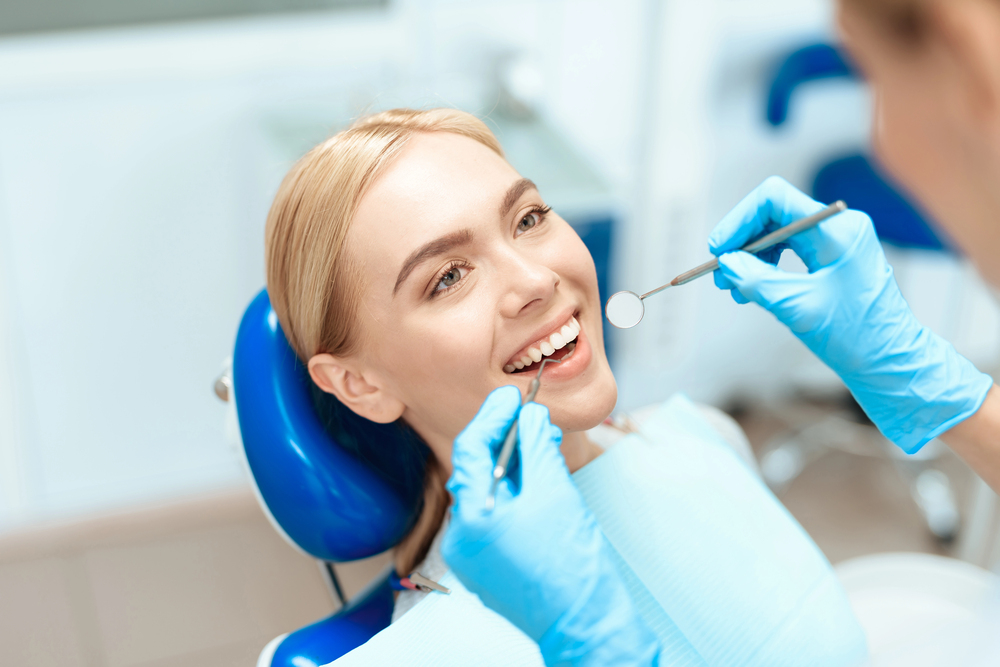
Holistic Cosmetic Dentistry: Beauty Without Compromise
Cosmetic dentistry has traditionally focused on enhancing the appearance of your smile. From teeth whitening to veneers and aligners, it has offered millions of people the opportunity to feel more confident and attractive. But in recent years, a more comprehensive approach has been gaining ground: holistic cosmetic dentistry. This emerging philosophy goes beyond aesthetics to promote both oral health and overall well-being—delivering beauty without compromising the body’s natural balance.
What Is Holistic Cosmetic Dentistry?
Holistic cosmetic dentistry is a patient-centered approach that integrates the principles of cosmetic dentistry with a focus on whole-body health. It considers how dental materials, procedures, and oral conditions can impact other systems in the body. Rather than simply improving the appearance of your teeth, holistic dentists aim to support long-term health and harmony.
This means using biocompatible materials, avoiding toxins such as mercury, and prioritizing minimally invasive procedures. The goal is to create stunning results while supporting a healthier lifestyle—which can help you live more positively in both mind and body.
How It Differs from Traditional Cosmetic Dentistry
While both traditional and holistic cosmetic dentistry aim to beautify your smile, their philosophies diverge in a few key areas:
1. Materials: Holistic dentists use non-toxic, BPA-free, and mercury-free materials. For example, instead of amalgam fillings that contain metals, they may opt for composite resins that are more natural-looking and safer.
2. Whole-Body Impact: Traditional cosmetic treatments may not take into account how certain procedures affect your immune system or cause inflammation. A holistic dentist will assess how your oral health could be influencing other areas such as digestion, sleep, or cardiovascular health.
3. Mind-Body Connection: Holistic care involves not only physical well-being but emotional wellness, too. A beautiful smile can dramatically influence your mood, your relationships, and your sense of self—factors which can help you live more positively.
Common Holistic Cosmetic Dentistry Treatments
Many conventional cosmetic procedures are used in a holistic setting—with a few adjustments to ensure health compatibility. Some examples include:
- Teeth Whitening: Holistic dentists may use peroxide-free or natural whitening agents that are gentler on the enamel and gum tissue.
- Veneers: Thin porcelain shells are still used, but the bonding agents are carefully selected to avoid allergens or toxins.
- Clear Aligners: Orthodontic treatment like Invisalign can be part of a holistic plan, especially when combined with airway assessments and TMJ evaluations.
- Gum Contouring: Laser technology offers a less invasive and more precise way to reshape the gumline with minimal discomfort or bleeding.
- Biocompatibility Testing: Before placing any dental materials, some holistic practitioners conduct testing to ensure compatibility with your body’s chemistry.
Benefits That Go Beyond the Smile
The true power of holistic cosmetic dentistry lies in its potential to improve more than just appearances. When you treat the mouth as a gateway to overall health, your smile becomes a reflection of your inner vitality.
- Improved Self-Esteem: A radiant smile naturally boosts confidence and encourages social interaction.
- Better Nutrition: Restoring bite function through crowns or aligners makes it easier to chew and digest healthy foods.
- Enhanced Mental Health: A beautiful, pain-free smile helps reduce anxiety, improves speech, and may lessen social stress.
- Balanced Energy: Avoiding reactive materials and reducing chronic inflammation supports better energy levels and concentration.
- Positive Lifestyle Habits: People who invest in holistic dental care often become more motivated to maintain healthy habits across the board, which can help you live more positively.
Choosing a Holistic Cosmetic Dentist
Not all cosmetic dentists practice with a holistic approach, so it’s important to ask the right questions when choosing your provider. Here are a few things to consider:
- Does the clinic use BPA-free, mercury-free, and fluoride-free products?
- Are digital X-rays or other low-radiation diagnostic tools used?
- Will the dentist discuss the systemic impacts of oral conditions?
- Is there a focus on nutrition, airway health, or stress management?
- Do they offer compatibility testing for dental materials?
These considerations ensure that your cosmetic transformation won’t come at the expense of your long-term well-being.
Embracing a New Definition of Beauty
In a society where appearance matters more than ever, it’s tempting to chase quick fixes. But holistic cosmetic dentistry encourages us to redefine beauty—not just as something seen, but something felt. A smile that looks good and supports total-body health is more than a cosmetic upgrade; it’s a form of self-care that empowers you to thrive.
Whether you’re considering teeth whitening, veneers, or a complete smile makeover, taking a holistic path offers results which can help you live more positively every day. In this way, beauty becomes more than surface deep—it becomes a lifestyle.
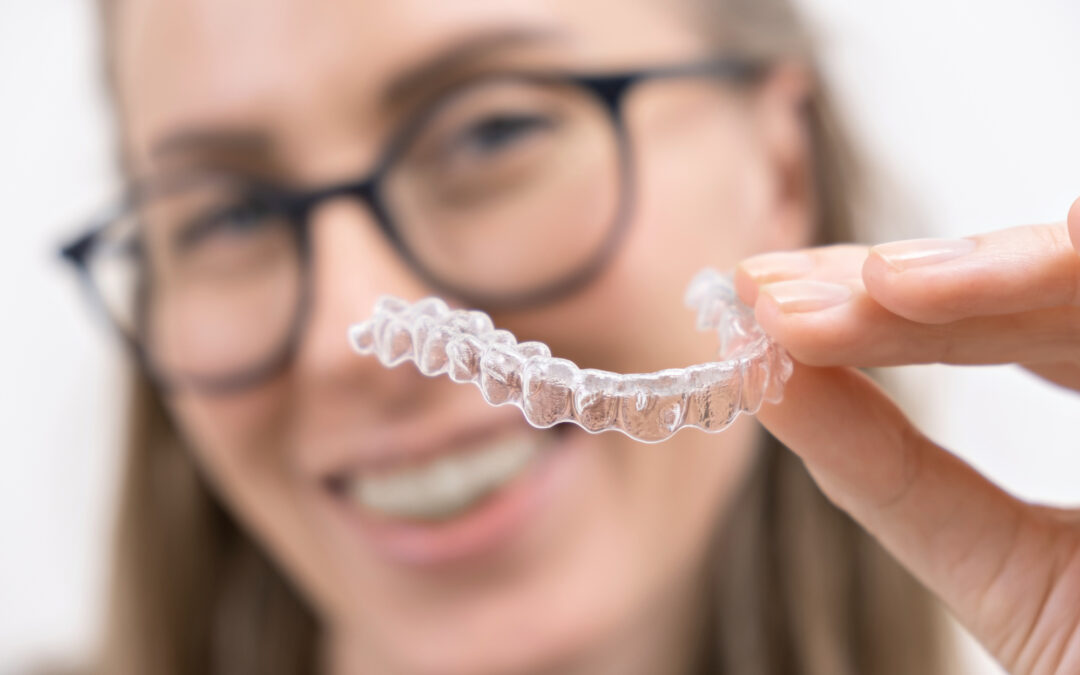
Invisalign and Dental Health: More Than Just a Cosmetic Fix
In recent years, Invisalign has become synonymous with a discreet and modern approach to straightening teeth. Often seen as a cosmetic solution, its sleek, clear aligners have revolutionized how people think about orthodontics. But beyond the visual appeal, Invisalign offers a wide array of health benefits that go far deeper than aesthetics. As more patients embrace the dental spa trend, they are discovering that Invisalign aligns perfectly with the desire for both beauty and wellness in oral care.
Straight Teeth, Stronger Foundations
One of the lesser-discussed advantages of Invisalign is its impact on overall dental health. Misaligned teeth can create tight, hard-to-clean spaces that become breeding grounds for plaque and bacteria. Over time, this can lead to tooth decay, gum disease, and even bone loss. Invisalign, by gently moving teeth into their proper positions, helps reduce these risks and makes brushing and flossing significantly more effective.
Unlike traditional braces, which use metal brackets and wires, Invisalign’s removable aligners allow patients to maintain excellent oral hygiene. Being able to take the trays out when eating or cleaning eliminates the usual complications of food getting stuck and plaque buildup—common issues that can occur with metal braces.
Better Bite, Better Health
Beyond cleaning, properly aligned teeth also lead to a healthier bite. Many people suffer from malocclusion, or bite misalignment, which can lead to chronic jaw pain, headaches, and even temporomandibular joint (TMJ) disorders. Invisalign addresses these bite issues by gradually moving teeth into the correct positions. This not only improves function but also reduces wear and tear on teeth that can otherwise lead to chips, fractures, or enamel erosion.
This functional benefit is why many dental professionals now recommend Invisalign not only for cosmetic purposes but as a proactive step in preserving long-term dental health.
Breathing and Speech Benefits
The benefits of Invisalign don’t stop at teeth and gums. For individuals with misaligned jaws or crowded teeth, it can even improve speech clarity and reduce snoring. In some cases, correcting the alignment of the teeth can contribute to better airflow, leading to more restful sleep and even improved daytime energy levels.
In today’s wellness-conscious world, patients are more aware than ever of how oral health affects total body wellness. This shift in mindset is driving the dental spa trend, where clinics now offer more than traditional dental services. The focus is on a full sensory experience—soothing environments, holistic treatment options, and personalized care plans that prioritize both health and relaxation.
Invisalign and the Rise of the Dental Spa Trend
As the dental spa trend gains traction, Invisalign is increasingly seen as the ideal orthodontic solution to complement this wellness-oriented approach. Patients who visit dental spas are typically looking for treatments that are comfortable, non-invasive, and lifestyle-friendly. Invisalign checks all these boxes.
Dental spas often integrate advanced technology such as 3D digital scanning, which replaces the traditional, often uncomfortable, dental impressions. This not only enhances accuracy but also aligns with Invisalign’s commitment to a modern, tech-driven experience. Add to that the soothing ambiance and patient-focused care of dental spas, and you have a setting where Invisalign feels less like a clinical procedure and more like a self-care experience.
For time-conscious professionals, teens, and adults who prioritize discretion and convenience, Invisalign in a spa-like setting delivers exceptional value—not just in looks, but in health, comfort, and confidence.
A Preventive Approach for Lifelong Smiles
Preventive care is a cornerstone of modern dentistry, and Invisalign plays a crucial role in this. By addressing misalignment early, patients can avoid more serious dental interventions in the future. Crowded or gapped teeth may seem like minor issues at first, but they often lead to larger problems if left untreated.
More dental clinics that follow the dental spa trend are now educating patients on the long-term health impacts of orthodontic issues. Invisalign is introduced not as a vanity-driven treatment, but as a smart, proactive health choice.
Emotional and Mental Health Perks
There’s also a psychological dimension worth noting. A confident smile has been shown to improve self-esteem and mental well-being. When people feel better about how they look, they are often more likely to take care of themselves in other areas too—diet, exercise, and stress management.
Invisalign offers this emotional boost without the stigma sometimes associated with traditional braces. For adults in particular, this discretion helps them pursue treatment without fear of judgement or discomfort in professional and social settings.
Invisalign is far more than a cosmetic fix—it’s a transformative tool for oral and overall health. As the dental spa trend continues to redefine patient expectations and experiences, Invisalign stands out as a perfect match. It supports healthier mouths, more functional bites, and greater confidence—all within a modern, wellness-focused framework.
For those seeking a smile that’s as healthy as it is beautiful, Invisalign provides a clear path forward—quite literally. Whether you’re drawn to its subtle appearance or its comprehensive health benefits, one thing is clear: this innovative solution is changing not just smiles, but lives.

Modern Dentures: A New Era for Replacing Lost Teeth
Tooth loss is a common concern among adults, affecting not only appearance and confidence but also overall health and wellbeing. Fortunately, the field of dentistry has evolved significantly over the years, and dentures have entered a new era—offering modern solutions that are more natural-looking, functional, and comfortable than ever before. As advancements continue, dentures are playing a transformative role in restoring smiles and improving lives, especially in the context of tooth loss and nutrition.
The Link Between Tooth Loss and Nutrition
To fully understand the impact of modern dentures, it’s important to first recognize the relationship between tooth loss and nutrition. Our teeth are essential for proper chewing and digestion. When teeth are missing, people often struggle to eat a balanced diet, avoiding nutritious foods that are difficult to chew—such as raw vegetables, fruits, nuts, and meats. This can lead to deficiencies in essential vitamins and minerals, contributing to health problems like weight loss, digestive issues, and even weakened immune function.
In many cases, people with tooth loss may turn to soft, processed foods high in sugar and low in nutrients, increasing the risk of diabetes, cardiovascular disease, and obesity. That’s where dentures step in—not only to restore smiles but to restore health.
How Modern Dentures Have Evolved
Gone are the days of bulky, ill-fitting dentures that click, slide, or cause discomfort. Today’s dentures are designed using advanced materials and digital technology, offering a personalized and precise fit. Modern dentures come in several forms, including:
- Complete Dentures: For patients missing all teeth in an arch.
- Partial Dentures: For those who still have some natural teeth.
- Implant-Supported Dentures: A hybrid solution that provides extra stability and comfort.
Digital impressions and 3D printing technologies have revolutionized the way dentures are made. These tools allow dental professionals to craft dentures that mimic the look and feel of natural teeth, ensuring optimal function and aesthetics. The result? Patients are more likely to wear their dentures consistently, regain confidence, and enjoy a wider variety of foods.
Dentures and Their Role in Nutrition
With better fit and functionality, modern dentures enable patients to chew more effectively. This improved chewing ability allows for better breakdown of food and more efficient digestion—leading to improved nutrient absorption. For individuals dealing with tooth loss and nutrition concerns, this is a game changer.
Here are a few ways dentures support better nutritional habits:
1. Increased Food Choices
With well-fitted dentures, patients can return to eating a variety of foods, including crunchy vegetables, lean proteins, and whole grains—items often avoided due to chewing difficulty.
2. Better Portion Control
Chewing thoroughly helps regulate appetite and signals fullness to the brain, supporting healthy eating habits.
3. Enhanced Taste and Comfort
Newer materials used in modern dentures are lighter and more biocompatible, minimizing discomfort and enhancing the overall eating experience.
4. Support for Oral and Digestive Health
Being able to chew properly reduces the risk of indigestion and supports the health of remaining natural teeth and gum tissues.
Psychological and Social Benefits
Beyond physical health, dentures have a powerful impact on mental and emotional well-being. Tooth loss often causes people to withdraw socially due to embarrassment about their appearance or difficulty speaking and eating in public. Modern dentures restore facial structure, improve speech, and give individuals the confidence to smile, laugh, and engage with others again.
This boost in confidence can lead to more active social lives and healthier lifestyle choices, including better eating habits. It’s a positive feedback loop: the better the dentures, the better the quality of life.
Maintenance Tips for Long-Lasting Results
To maximize the benefits of modern dentures, proper care is essential:
- Daily Cleaning: Use a soft brush and non-abrasive cleanser to clean dentures daily.
- Soaking Overnight: Keep dentures moist to maintain their shape and integrity.
- Regular Dental Checkups: See your dentist regularly for adjustments and to monitor oral health.
- Healthy Diet: Continue to eat a balanced diet to support overall health and denture longevity.
The future of dentures looks promising. With the integration of AI, robotics, and even smart materials, we can expect dentures to become even more adaptive and tailored to individual needs. Dental professionals are now equipped to address the broader implications of tooth loss and nutrition through a combination of restorative solutions and holistic care.
Tooth loss no longer has to mean a lifetime of discomfort or dietary limitations. Thanks to modern dentures, patients can enjoy a renewed quality of life—restoring not just their smiles but their ability to eat well, socialize, and thrive. The connection between dentures and tooth loss and nutrition is undeniable. As innovation continues, dentures will remain a vital tool in bridging the gap between oral health and total wellness.
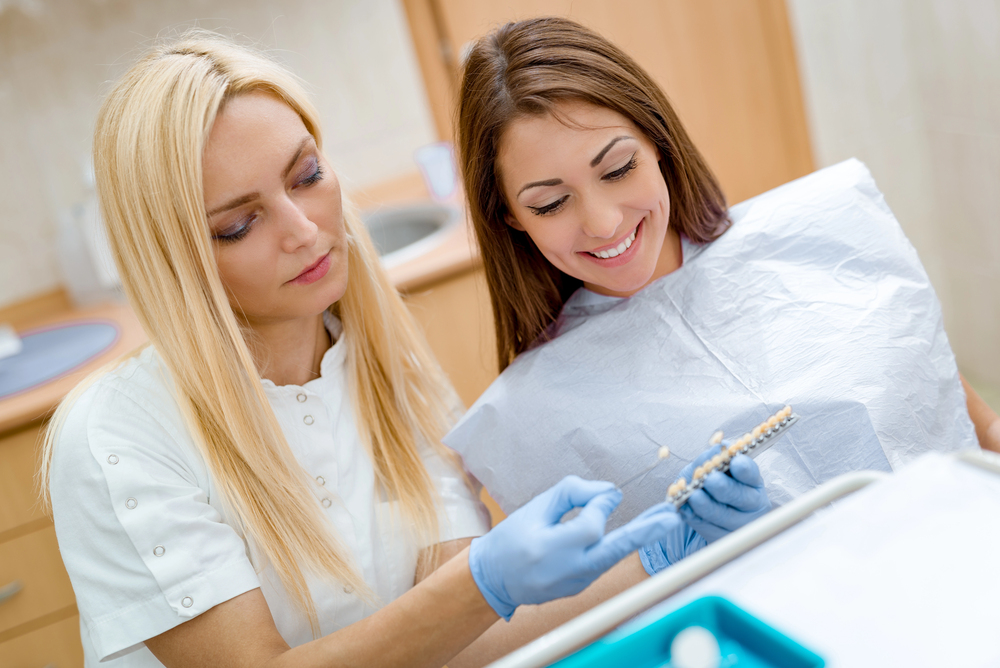
How Cosmetic Dentistry Improves Professional and Social Success
In today’s competitive world, first impressions matter more than ever. Whether you’re striving for a promotion at work, expanding your social network, or simply looking to boost your self-confidence, the way you present yourself plays a significant role. One of the most impactful and increasingly popular ways people enhance their image is through cosmetic dentistry. This rising trend reflects a growing awareness that a beautiful, healthy smile can open doors and create opportunities, both professionally and socially.
The Power of a Confident Smile
A smile is one of the most powerful forms of communication. It conveys warmth, friendliness, and trustworthiness. Research has shown that people with bright, straight teeth tend to leave a more positive first impression and are often perceived as more successful and approachable. Given this, it’s no wonder that cosmetic dentistry is on the rise — professionals and socialites alike recognize the value of a smile that radiates confidence.
In professional settings, people who smile with ease are often seen as more competent and approachable. Whether you’re making a presentation, going for a job interview, or networking at a conference, a great smile can help you establish rapport quickly. Moreover, studies show that recruiters and managers are more likely to favor candidates who smile confidently during interviews, reinforcing the idea that a healthy, bright smile can help pave the way to career advancement.
Cosmetic Dentistry and Professional Success
One of the most exciting aspects of cosmetic dentistry is that it can correct a variety of dental imperfections that may impact your career. From discolored and misaligned teeth to chips and gaps, a cosmetic dentist can help you address these concerns through a range of treatments that deliver transformative results.
Professional success is closely tied to self-assurance. When you feel good about your smile, that self-confidence naturally shines through in your daily interactions — whether you’re pitching a new project, leading a team, or engaging in small talk with colleagues. Many people report that after enhancing their smile, they feel more assertive and comfortable voicing their ideas, which can translate into better career opportunities and a stronger personal brand.
Additionally, as remote work and virtual meetings have become a larger part of professional life, appearance on camera is more important than ever. A well-maintained smile can help you look more polished and put-together on video calls — something that can significantly boost your presence in a virtual environment.
Cosmetic Dentistry as a Rising Trend
The surge in interest surrounding cosmetic dentistry is a rising trend that goes hand-in-hand with our increasing focus on self-care and personal presentation. Advancements in dental technology have made treatments quicker, more affordable, and more comfortable, which has led to an uptick in people seeking these services. Options like teeth whitening, dental bonding, clear aligners, veneers, and gum contouring can produce dramatic improvements in a relatively short period — often with minimal discomfort and downtime.
More and more individuals, including younger professionals, are opting for these treatments because they recognize the long-term personal and professional benefits that come with having an attractive smile. What was once thought of as a luxury reserved only for celebrities is now accessible to a broad range of people who want to enhance their career prospects and social experiences.
The Social Impact of Cosmetic Dentistry
Beyond the professional realm, a beautiful smile plays a significant role in social settings. Whether you’re meeting new people, dating, or reconnecting with friends, a healthy, bright smile naturally draws people in. Improved self-esteem is one of the most common benefits cited by people who have had cosmetic dentistry procedures, and this boost in self-worth often translates into richer social connections.
When you’re not worried about concealing your teeth — or feeling self-conscious every time you speak or smile — you can fully embrace every moment. The positive energy you project can help you build and maintain deeper relationships. Many people who have invested in their smile report that they feel less inhibited and more comfortable in their own skin, allowing them to enjoy life’s experiences to the fullest.
Embracing the Rising Trend for Lasting Impact
There’s no question that the value of a great smile goes far beyond aesthetics. By investing in cosmetic dentistry, you can unlock new levels of self-assurance that help you thrive professionally and socially. Whether you’re hoping to make a better first impression at work or simply want to feel more comfortable when meeting new people, today’s advanced treatments offer a solution tailored to your unique needs.
And with this rising trend showing no signs of slowing down, it’s easier than ever to explore your options and take the first steps toward a smile that truly reflects your inner confidence. Many dental practices offer consultations that can help you understand what treatments might work best for you, along with flexible financing options that put a stunning smile within reach.
Your smile is one of your most powerful assets — one that can significantly influence your professional trajectory and personal happiness. Thanks to the increasing accessibility and innovation in cosmetic dentistry, more people are recognizing the value of investing in a smile they can be proud of. The rising trend toward these transformative treatments is reshaping what it means to make a lasting first impression. Whether you want to feel more assured at work or more comfortable in social settings, cosmetic dentistry can help you achieve a smile that supports your success and enhances your quality of life.
The Tech Behind Teeth Whitening: What’s Really Changing?
A bright, white smile is more than just a confidence booster—it’s a symbol of health, youth, and well-being. As the demand for tooth whitening soars globally, the dental industry is undergoing a technological transformation. No longer confined to over-the-counter strips or in-office bleaching trays, today’s whitening solutions reflect how technology is redefining dental aesthetics in ways that are faster, safer, and more personalized than ever before.
A Shift from Tradition to Innovation
Traditional tooth whitening relied on hydrogen or carbamide peroxide to bleach enamel. While effective, these methods often caused sensitivity and required multiple sessions for visible results. Now, modern innovations are minimizing discomfort, improving precision, and delivering long-lasting outcomes through a more scientific approach.
New generations of tooth whitening tools use advanced chemistry and device integration to enhance the action of bleaching agents. From LED-activated systems to nanotechnology and AI-assisted treatment planning, the way we whiten teeth is rapidly evolving.
LED and Laser Activation: Boosting Results with Light
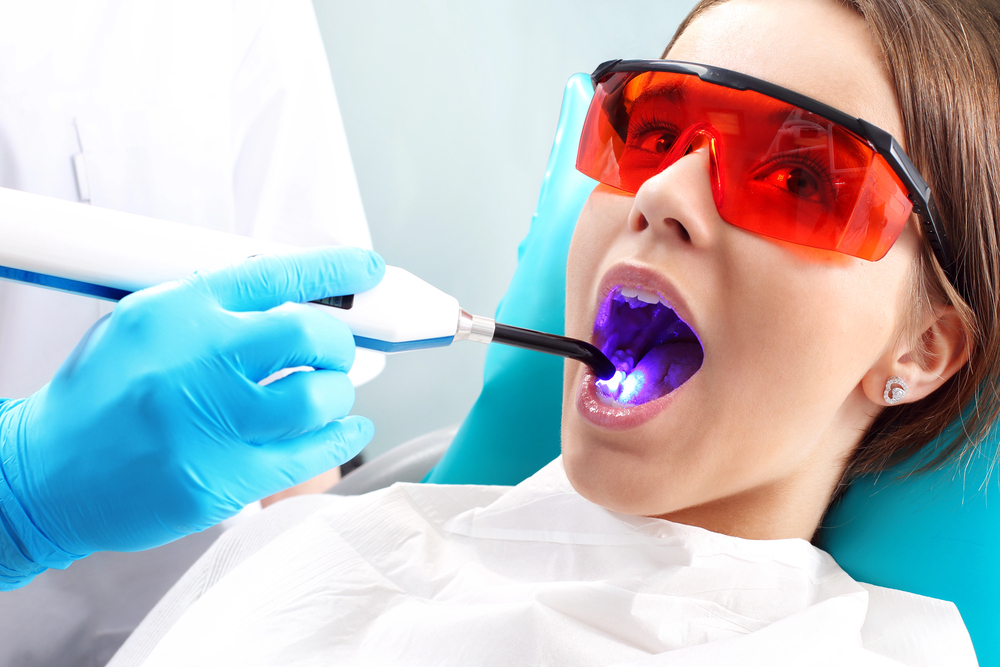
One of the most significant developments in tooth whitening has been the integration of light-based systems, particularly LED and laser activation. These systems use light energy to accelerate the chemical reaction of whitening gels, allowing for faster results in shorter chair times.
LED-activated whitening systems, such as Zoom or GLO Science, emit blue light that penetrates enamel to break down stains more efficiently. These devices have been engineered to maximize comfort while reducing the risk of soft tissue irritation. In contrast, laser whitening uses a more concentrated beam to achieve deeper whitening, typically in one session.
While studies vary on the actual long-term whitening effect of light-enhanced treatments, patients frequently report greater satisfaction with both the speed and brightness of their results—an important factor in modern aesthetic dentistry.
AI and Personalization: Tailoring Treatments
As technology continues redefining dental aesthetics, personalization is becoming the new standard. Artificial intelligence (AI) is playing a growing role in creating customized tooth whitening plans. Using data from digital scans and shade-matching algorithms, AI can assess tooth condition, enamel thickness, and staining patterns to determine the ideal concentration, duration, and technique for each patient.
This approach not only improves outcomes but also reduces the likelihood of side effects like sensitivity or uneven coloration. The integration of AI into digital smile design platforms also helps practitioners predict post-whitening aesthetics more accurately, ensuring results align with the patient’s facial features and cosmetic goals.
Nanotechnology: Whitening at the Microscopic Level
Nanotechnology, though still emerging in mainstream practice, is another frontier in tooth whitening. Nano-hydroxyapatite (nHAp), a biomimetic mineral that mimics natural tooth structure, is being used in whitening pastes and treatments to repair micro-damage while lifting stains.
Unlike abrasive agents found in conventional whitening toothpastes, nHAp works by bonding to enamel and filling in microscopic imperfections, making teeth appear whiter and shinier without eroding the surface. This dual action—restorative and aesthetic—makes nanotechnology a promising player in the future of non-invasive whitening.
At-Home Whitening Goes High-Tech
Another major shift has occurred in the at-home tooth whitening market. What used to be dominated by generic strips and trays has now evolved into high-tech consumer devices. App-controlled whitening kits, LED mouthpieces, and smartphone-compatible shade tracking are giving patients professional-level tools in their own bathrooms.
Companies like HiSmile and Snow offer systems with built-in timers, variable intensity settings, and even Bluetooth connectivity. These advances offer more convenience without sacrificing quality—bridging the gap between clinical and at-home whitening.
However, dental professionals caution that while these systems are improving, they should be used under guidance. Overuse or incorrect application can still lead to enamel damage or gum irritation. The key is combining innovation with informed usage.
The Future: Biophotonic and Enzyme-Based Whitening
Looking ahead, technology redefining dental aesthetics is pushing the boundaries of what’s possible in whitening. Research into biophotonic therapies—using light and photosensitizers to kill bacteria and remove stains—is underway. These treatments may offer whitening benefits without the use of peroxide, making them suitable for patients with sensitive teeth or allergies.
Enzyme-based whitening is another growing area of interest. These products use natural enzymes to break down stains at a molecular level, offering a gentler alternative to traditional bleaching. While still in the early stages of development, these technologies could pave the way for organic, biocompatible whitening options.
Ethical and Aesthetic Considerations
With new technology comes new responsibility. As whitening becomes more accessible and aggressive, dental professionals must balance patient expectations with realistic outcomes. Over-whitening—sometimes referred to as bleachorexia—can lead to enamel thinning and aesthetic imbalances.
Digital simulations and AI-guided consultations are helping to mitigate this by showing patients a preview of natural-looking results. This again highlights how technology is redefining dental aesthetics not just by enhancing treatment options, but by improving decision-making and communication.
Tooth whitening is no longer just a cosmetic quick-fix—it’s part of a broader movement where technology is redefining dental aesthetics. From LED light systems to AI-driven treatment plans, today’s whitening methods are smarter, safer, and more effective. As innovation continues, patients and practitioners alike can look forward to brighter smiles crafted with science, not guesswork.
Whether you’re a dental professional staying ahead of trends or a patient seeking the best results, it’s clear: the future of tooth whitening is brilliantly high-tech.
Top 5 Factors That Affect the Price of a Dental Crown
Dental crowns are a common restorative treatment used to repair damaged, worn down, or aesthetically unpleasing teeth. While they offer durability and a natural appearance, many patients find themselves wondering why the cost of dental crowns can vary so dramatically—from a few hundred dollars to well over a thousand. The truth is, several factors influence how much you’ll pay for a crown, and understanding these can help you make informed decisions about your oral health.
In this article, we’ll break down the top five factors that affect the cost of dental crowns and why this seemingly simple restoration might be the secret behind celebrity smiles.
1. Material Used for the Crown
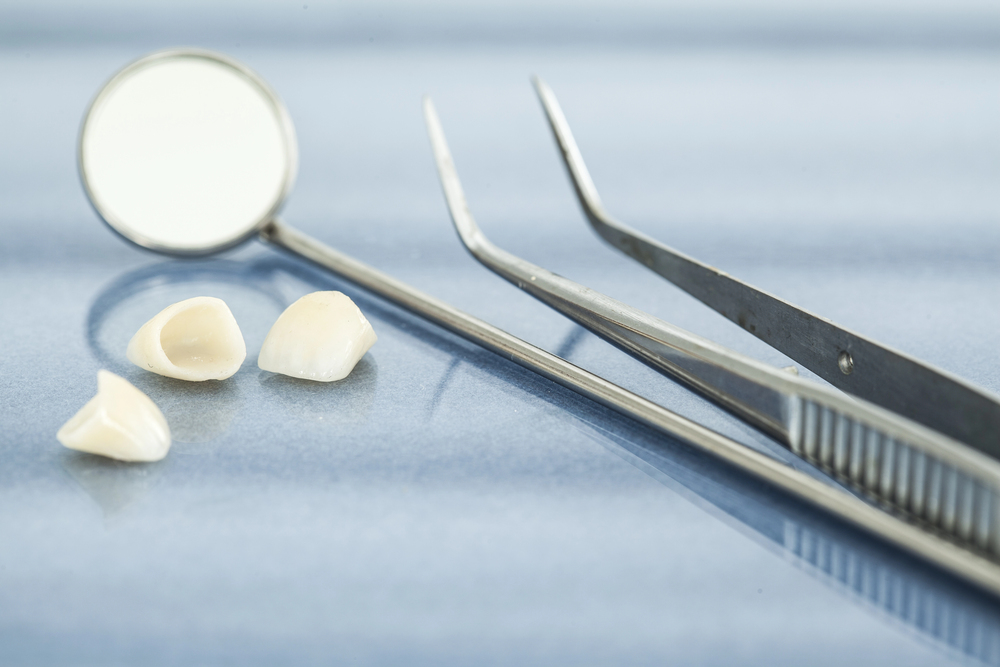
One of the biggest contributors to the cost of dental crowns is the material used. Dental crowns can be made from a variety of substances, each with its own price point and characteristics:
- Porcelain or Ceramic: Known for their natural look, these crowns are often used on front teeth and are a popular choice for those who prioritize aesthetics. They tend to cost more due to their lifelike appearance.
- Metal (Gold or Alloy): Metal crowns, particularly those made of gold, are highly durable and long-lasting. They are usually used on molars and may be less expensive than all-porcelain crowns, depending on the metal’s market value.
- Porcelain-Fused-to-Metal (PFM): These offer the strength of metal with a porcelain coating for a natural look. They are more affordable than all-ceramic crowns but may show a metal line near the gums over time.
- Zirconia: A relatively new option, zirconia crowns are strong and aesthetically pleasing, often priced higher due to their premium quality.
The choice of material doesn’t just affect cost—it also impacts durability, comfort, and appearance, which is why many celebrities opt for high-end ceramic or zirconia crowns. It’s no exaggeration to say that a well-crafted crown is often the secret behind celebrity smiles.
2. Location and Reputation of the Dental Clinic
Geography matters. The cost of dental crowns varies significantly depending on where you get the procedure done. Urban dental clinics, particularly in high-cost-of-living areas, tend to charge more than rural or suburban practices. For example, getting a crown in Beverly Hills will likely cost more than in a smaller town in the Midwest.
Additionally, the experience and reputation of the dentist or clinic play a major role. Specialists in cosmetic or restorative dentistry may charge more, but they also offer a higher standard of care, potentially better long-term results, and access to the latest technology.
3. Technology and Techniques Used
crown. Some dentists use CAD/CAM (computer-aided design and manufacturing) to create same-day crowns. These procedures eliminate the need for multiple visits and temporary crowns, which is a major convenience for busy individuals.
While same-day crowns can be more expensive upfront due to the equipment used, they often offer a better overall value by saving time and reducing the risk of complications.
The use of digital impressions, 3D printing, and laser scanning also increases precision—resulting in crowns that fit better and last longer—but these benefits often come with a higher price tag.
4. Complexity of the Case
Not all dental crown procedures are equal. The amount of preparation required before placing the crown significantly affects the cost. For instance:
- A simple crown placed on a healthy tooth is relatively straightforward.
- A tooth that requires a root canal, core buildup, or post will increase the complexity and the final cost.
- If there’s gum disease, misalignment, or previous dental work to address, this too can add to the total.
In essence, the more work a tooth needs before it’s ready to receive a crown, the higher the price. Celebrities who invest in full smile makeovers often undergo comprehensive treatment plans, explaining the high-end results that are part of the secret behind celebrity smiles.
5. Insurance and Out-of-Pocket Costs
Insurance coverage can significantly affect the amount you end up paying for a crown. Some dental insurance plans cover crowns at 50%, while others may not cover them at all, especially if they’re deemed cosmetic rather than medically necessary.
Without insurance, the cost of dental crowns can be daunting, especially when premium materials or cosmetic enhancements are involved. Many dental practices offer financing options or payment plans, so it’s worth discussing these before committing to treatment.
Dental crowns are more than just caps for damaged teeth—they’re investments in your smile, health, and confidence. Whether you’re restoring a single tooth or getting a full smile makeover, it’s important to understand what drives the cost.
From materials and technology to dentist expertise and location, each factor contributes to the final price. And for those wondering how public figures always seem to have perfect teeth—high-quality dental crowns are often part of the secret behind celebrity smiles.
Before committing to any procedure, consult with your dentist about your goals, budget, and available options. With the right approach, you can balance cost with quality and walk away with a crown that truly fits your needs—and your smile.
Building Healthy Dental Habits Early: A Pediatric Dentist’s Perspective
Developing strong dental habits in early childhood lays the foundation for a lifetime of healthy smiles. As a pediatric dentist, I’ve seen firsthand how early intervention, education, and positive experiences at the dental clinic can prevent future oral health problems and promote overall well-being. The journey toward excellent oral hygiene doesn’t begin with the first cavity—it starts much earlier, often before a child’s first birthday.
Why Early Dental Habits Matter
The importance of early dental care cannot be overstated. Primary (baby) teeth play a vital role in speech development, nutrition, and holding space for permanent teeth. Yet, many parents underestimate their significance. Neglecting oral hygiene in early childhood can lead to cavities, infections, and even developmental issues that require complex interventions later.
Establishing consistent oral care routines early helps children view dental hygiene as a normal and essential part of daily life. When children are taught the value of brushing, flossing, and regular dental visits from a young age, they are more likely to carry those habits into adulthood.
The Role of the Children’s Dentist
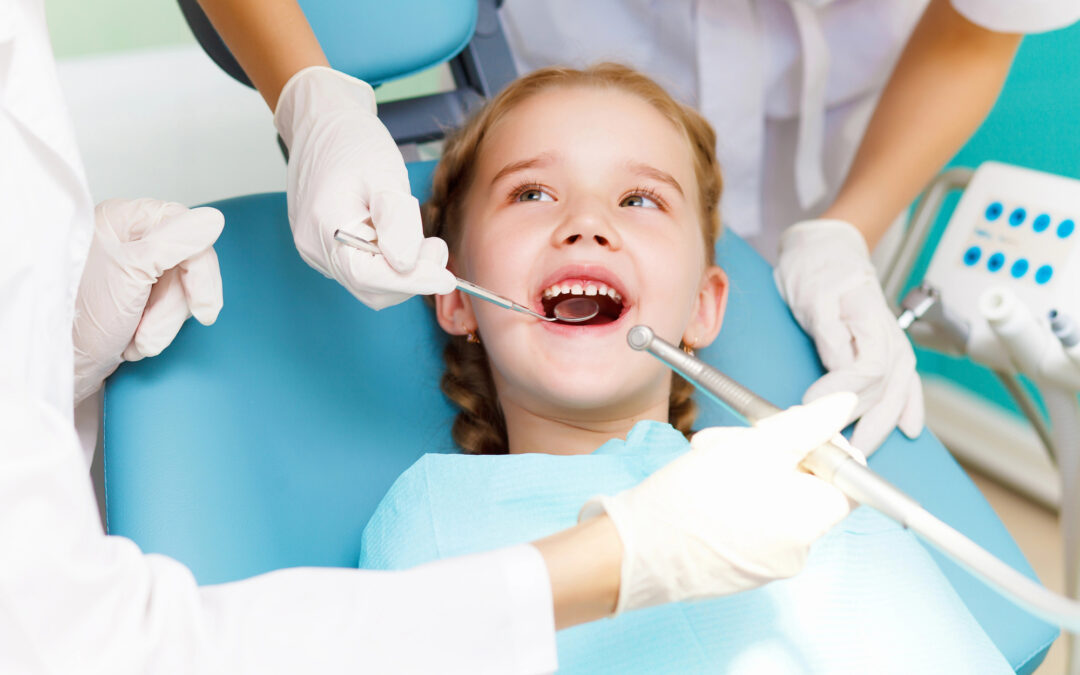
A children’s dentist, also known as a pediatric dentist, is specially trained to manage the unique dental needs of infants, toddlers, children, and adolescents. Our approach goes beyond clinical care—we focus on education, prevention, and creating a positive, fear-free environment that encourages children to feel comfortable.
A children’s dentist plays a vital role in guiding both children and parents through the early stages of oral health care. Specially trained to address the unique dental needs of infants, toddlers, and adolescents, a children’s dentist focuses not only on treatment but also on prevention and education. From the first dental visit to managing anxiety and promoting healthy habits, the children’s dentist creates a welcoming environment that encourages lifelong trust and positive associations with dental care.
A child’s first dental visit should happen by their first birthday or within six months of the eruption of the first tooth. These early appointments allow us to assess oral development, offer guidance on proper brushing techniques, and educate parents on issues like bottle feeding, thumb sucking, and diet-related risks.
Most importantly, we aim to build trust. Children who have positive early experiences with their dentist are less likely to develop dental anxiety, which often persists into adulthood and can lead to avoidance of necessary care.
Tips for Building Healthy Dental Habits
1. Start Early
Begin wiping your baby’s gums with a soft cloth before the first tooth erupts. Once teeth appear, use a small, soft-bristled toothbrush and a smear of fluoride toothpaste.
2. Create a Routine
Brush twice a day and make it a fun family activity. Singing songs, using colorful toothbrushes, or using apps designed for children can make brushing time enjoyable.
3. Visit the Dentist Regularly
Schedule checkups every six months with a children’s dentist. These visits help detect issues early and keep your child’s mouth healthy.
4. Limit Sugary Snacks and Drinks
Frequent snacking on sugary or starchy foods increases the risk of cavities. Encourage a balanced diet with fruits, vegetables, and water as the primary beverage.
5. Use Positive Reinforcement
Praise your child for good brushing and dental visits. Avoid using dental appointments as threats or punishments.
When Dental Problems Arise
Despite our best efforts, dental problems can still occur. Early childhood caries (ECC), also known as baby bottle tooth decay, remains one of the most common chronic diseases in young children. When cavities or trauma affect a child’s teeth, intervention is often necessary to preserve function and prevent pain or infection.
This is where types of dental restoration procedures come into play. Pediatric dentists are skilled in a variety of restorative techniques tailored specifically for children’s needs.
Types of Dental Restoration Procedures in Children
1. Fillings
If decay is detected early, a simple filling can restore the tooth’s shape and function. Tooth-colored (composite) fillings are commonly used in pediatric patients for aesthetic and functional reasons.
2. Crowns
When decay is extensive or the tooth is weakened, a crown may be necessary. Stainless steel crowns are often used for primary molars due to their durability, while tooth-colored options are available for front teeth.
3. Pulp Therapy (Baby Root Canal)
If decay reaches the nerve, pulp therapy may be required to save the tooth. This procedure removes the infected portion of the pulp while maintaining the structure of the tooth.
4. Space Maintainers
If a baby tooth is lost prematurely, a space maintainer may be used to hold the space open for the permanent tooth. This helps prevent misalignment and crowding issues later.
5. Extractions
In some cases, a tooth may need to be removed if it cannot be restored. Pediatric dentists perform extractions gently, ensuring minimal discomfort for the child.
6. Sealants
While technically preventive rather than restorative, sealants are a protective coating applied to the grooves of molars to prevent cavities. They’re a simple, effective way to safeguard your child’s teeth.
Instilling good oral hygiene habits from the very beginning is one of the greatest gifts you can give your child. With the support of a trusted children’s dentist, parents can navigate the challenges of early oral care and set their children up for a lifetime of healthy smiles.
Regular checkups, education, and early intervention—including necessary types of dental restoration procedures—all contribute to a strong foundation for dental wellness. Remember, good dental habits don’t happen overnight—they’re built, one brushstroke at a time.