
The Role of Orthodontics in Modern Dentistry: Improving Function and Aesthetics
Orthodontics, once primarily associated with metal braces for adolescents, has evolved significantly in the realm of modern dentistry. Today, orthodontics plays a crucial role not only in enhancing the aesthetic appeal of smiles but also in improving overall oral function and health. As dentistry continues to grow, orthodontics has seen remarkable advancements in techniques and technologies, making it an integral part of comprehensive dental care.
Aesthetic and Functional Benefits of Orthodontics
Orthodontics focuses on diagnosing, preventing, and treating dental and facial irregularities. Misaligned teeth, overcrowded mouths, overbites, underbites, and jaw misalignments are common issues addressed through orthodontic treatment. These treatments go beyond the surface of merely straightening teeth; they profoundly impact both aesthetics and function.
From an aesthetic perspective, a well-aligned smile boosts self-esteem and confidence. A beautiful smile is often one of the first features people notice, and it significantly influences personal and professional interactions. However, the benefits of orthodontics extend far beyond appearance. Properly aligned teeth are easier to clean and maintain, reducing the risk of cavities, gum disease, and other oral health problems. Furthermore, orthodontic treatment can correct bite issues that, if left untreated, may lead to excessive wear on teeth, jaw pain, and even speech difficulties.
Technological Advancements Driving Growth in Orthodontics
The growth in dentistry, particularly within orthodontics, is largely driven by technological advancements that have transformed patient experiences and outcomes. Traditional metal braces, once the hallmark of orthodontic care, have been supplemented—and in some cases replaced—by innovative alternatives like clear aligners, lingual braces, and self-ligating braces.
Clear aligners, such as Invisalign, have revolutionized orthodontic treatment by offering a discreet and comfortable option for patients. These aligners are nearly invisible, removable, and custom-made for each patient, providing a more convenient and aesthetically pleasing alternative to traditional braces. Clear aligners are especially popular among adults who seek orthodontic treatment without the noticeable appearance of metal braces.
Lingual braces, which are placed on the back of the teeth, offer another discreet option for patients who need more comprehensive corrections than clear aligners can provide. Meanwhile, self-ligating braces use a specialized clip instead of elastic bands, reducing friction and often shortening the treatment time.
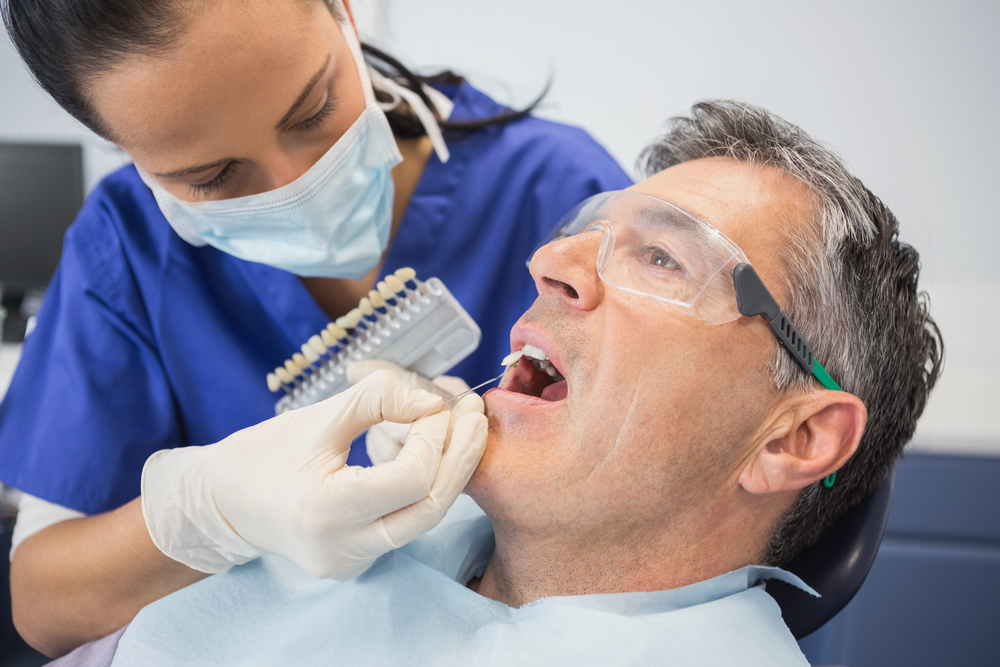
These advancements reflect the broader growth in dentistry as it increasingly embraces digital technology. Digital scanning and 3D imaging allow orthodontists to create precise treatment plans, enhancing the accuracy and efficiency of care. The ability to visualize the expected outcome of treatment before it begins helps patients understand their journey and fosters greater confidence in the process.
Orthodontics for All Ages: Expanding Access and Appeal
Historically, orthodontic treatment was often viewed as a rite of passage for teenagers. However, with the growth in dentistry, orthodontics has become accessible and appealing to patients of all ages. Adults now make up a significant portion of orthodontic patients, driven by the desire to improve their smiles and oral health later in life.
The increasing availability of less invasive and more aesthetically pleasing treatment options has fueled this trend. Adult orthodontics not only addresses aesthetic concerns but also improves function, which can lead to better long-term oral health outcomes. For example, correcting malocclusion (improper bites) can alleviate chronic jaw pain and prevent future dental issues that might arise from abnormal wear and tear on teeth.
Additionally, early intervention in children—sometimes referred to as interceptive orthodontics—aims to guide the growth of the jaw and incoming teeth. By addressing issues early, orthodontists can often reduce the need for more extensive treatment later. This proactive approach underscores the expanding role of orthodontics in modern dentistry, emphasizing prevention and early correction.
The Future of Orthodontics: Personalization and Patient-Centered Care
As orthodontics continues to grow within the field of dentistry, the focus is shifting increasingly toward personalization and patient-centered care. Orthodontic treatments are no longer one-size-fits-all; they are tailored to meet the specific needs and goals of each patient. Advances in technology, such as artificial intelligence and machine learning, are paving the way for even more precise and efficient treatment planning.
Orthodontists are now able to offer more customized solutions, predicting tooth movements and treatment outcomes with greater accuracy than ever before. This growth in dentistry not only improves the patient experience but also enhances the overall effectiveness of treatments.
Furthermore, patient education and engagement are becoming more central to orthodontic care. By involving patients in their treatment planning and providing clear explanations of the benefits and expectations, orthodontists can improve patient satisfaction and compliance.
Orthodontics has transformed from a niche branch of dentistry focused primarily on aesthetics to a critical component of comprehensive oral health care. With advancements in technology and a growing emphasis on personalization, orthodontics plays a vital role in modern dentistry, enhancing both function and aesthetics. As the field continues to grow, orthodontic treatments will likely become even more accessible, efficient, and tailored to individual needs, helping patients of all ages achieve healthier, more beautiful smiles. The ongoing evolution of orthodontics within the broader context of dentistry underscores its importance in improving patient outcomes and quality of life.
From Vision to Reality: How Digital Smile Design Transforms Cosmetic Dentistry
Are you familiar with digital smile design? It is the latest technology that is improving the cosmetic dentistry segment significantly. The use of this technology is helping doctors to get more precise results. In this blog, we will talk about the basics of digital smile design, the impacts it has, and some more.
Both patients and doctors are benefitting from it. Right now, many dentists are using this innovation to visualize dental treatment and procedures. If you can plan better, it means you will have better results too. Popular dental clinics are now offering state-of-the-art services like digital smile design and more. Keep reading so that you can understand better about these things.
Basics You Need to Know About Digital Smile Design
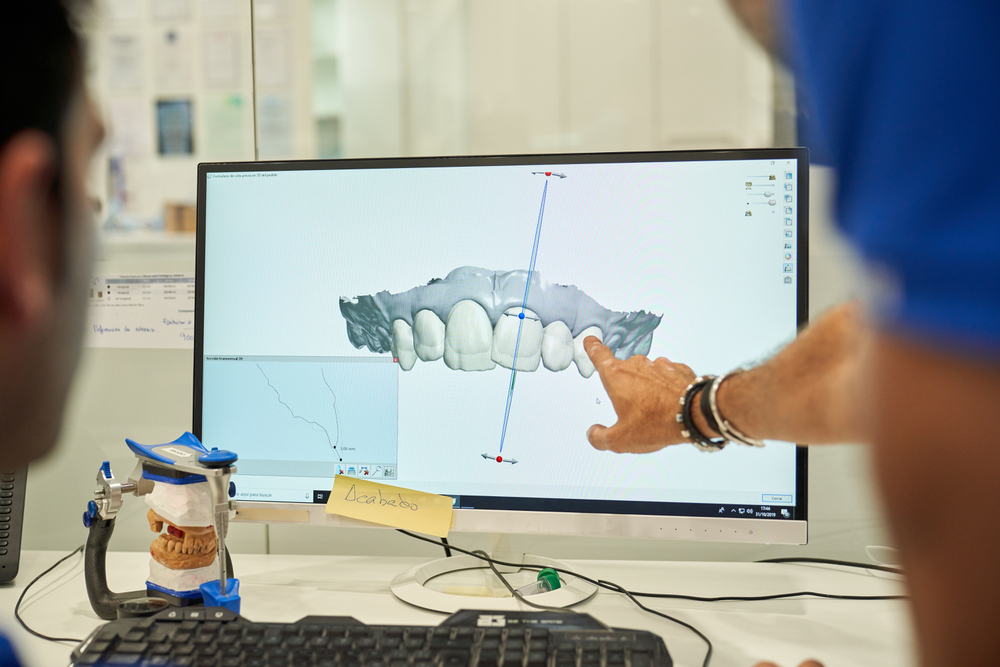
For those who don’t know, digital smile design is nothing but advanced software. Professionals are using this software to have a mock-up smile design that the patient is going to have after the treatment.
As you are getting the view from advance, it is helping people to plan everything and make changes if needed. Every one of us has a different facial structure; now, you can check whether a particular type of smile is good for you or not.
Aspects That Are Important to Know
- Before going through the implant, it is important to learn some of the following aspects:
- Digital smile design platforms can get you an exact representation before the surgery. Once you are happy with the results, then only the professionals will start working on that.
- Smile design is helpful in making customized smiles as per human anatomy, dental position and other aspects.
- With time, we are getting precise results. In the coming years, we are going to have further results.
Long-Term Impacts We Are Going to Face
- In most cases, the patients are happy with the results they are getting.
- Use of this process has reduced anxiety and other mental issues significantly.
- The process is giving us consistent results.
Key Elements of Digital Smile Design
After talking to experts, we have come up with the following elements regarding digital smile design. People are implementing a business acceleration strategy based on this treatment procedure.
Consultation Process
The first thing that you need to do is go to a dental expert and consult with him. There, you will learn about how photographs, 3D scans, and videos will impact the process. In the later part, experts will use these items and advanced software to predict future outcomes.
What About Simulation?
After careful analysis, digital simulation will create a perfect smile best suited for your face. You can see the preview and decide whether you want that result or not. Only after your nod, the experts will start the actual process.
How to Plan Your Treatment?
In the planning part, doctors will run through all the small details like choosing the veneers, crowns, and other items. You will have every little information so that you don’t feel much uncomfortable during the process.
Execution Process
When the planning is near perfect, you don’t need to worry much about the execution part. Modern dentists are trained to carry out any dental process and ensure accurate results.
The Facts, Fundamentals, and Fallacies of Tooth Decay Worth Knowing
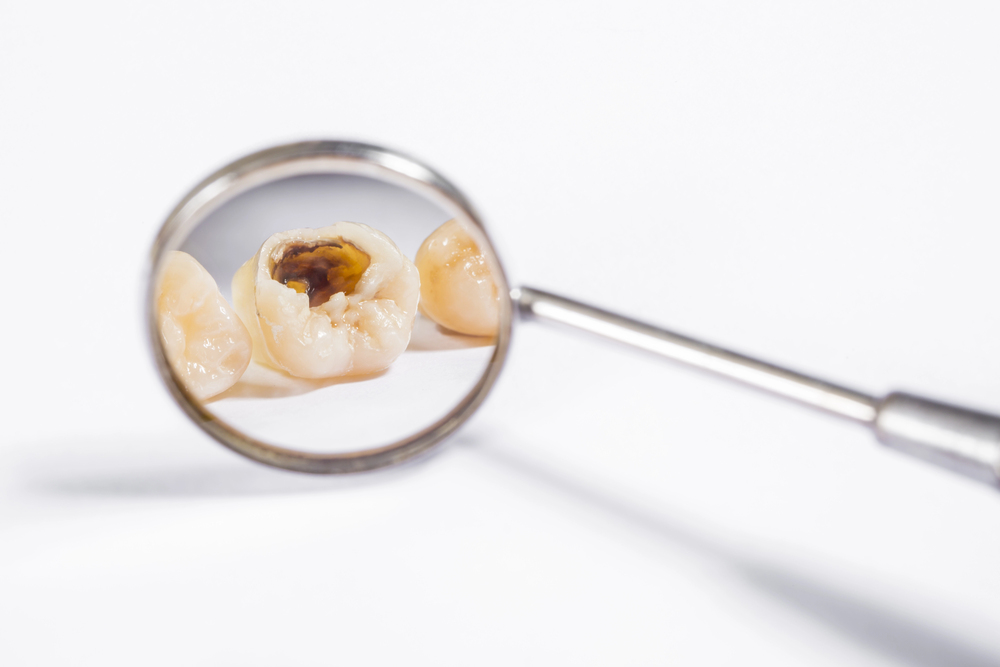
Tooth decay is a common challenge in dentistry and is caused by dental cavities. About 80% of adults suffer from dental holes. The decay emanates from bacteria that stick to our teeth and feed on the sugars and food that make acids in our mouths. The acid eventually wears out the tooth enamel and causes a cavity. While most people understand tooth decay, their judgment is crowded by some myths that prevent them from accessing sufficient dental care. Here are essential facts about tooth cavities and fallacies to avoid while dealing with tooth decay.
Fundamental Facts about Tooth Decay
Tooth decay does not always show symptoms. It is true that you can have tooth decay and fail to show any signs. It is therefore important to visit dentist on regular basis. While it is possible not to identify the signs, a dentist will recognize them through examination and guide you on the best treatment methods. The best thing is that, with the correct diagnoses, modern dentists can offer a range of services to help eliminate tooth decay.
An ignored cavity does not stop growing until addressed. It develops through all your teeth layers up to a point where you can no longer ignore it due to the excruciating pain. When you ignore the cavity for long, it becomes expensive to treat it. A simple filing can eliminate a cavity but ignoring it can lead to extraction or the need for a root canal.
Sugar is one of the largest causes of tooth decay. Consuming foods that contain excessive sugar, such as, candies, bread, fruits, and sweets increases cavities. These foods work with the bacteria in your mouth to form acid, eventually destroying your teeth.
Statistics and data on oral health around the world suggest that tooth cavities lead to tooth loss when not treated on time. At the initial stages, decay seems harmless but can damage your tooth structure. It causes the tooth to break, thus, requiring extraction to avoid infecting the other teeth.
Fallacies about Tooth Cavities
Brushing alone prevents tooth decay. This is a belief that most people tend to follow. Tooth brushing is important but cannot prevent decay all alone. You should always floss after brushing to eliminate the remaining bacteria in your mouth.
Cavities are only for children. They can occur at any stage of life if you do not care for your teeth well. Dry mouth increases the chances of cavities, a common issue in adults using chronic medications. Genetic predispositions and prolonged consumption of sugary products also cause cavities.
When teeth are not hurting, there is no problem. You might have tooth decay and yet no pain. A tooth hurts when the damage is beyond control, and thus, we should always go for checkups to identify and eliminate tooth decay before it becomes too serious.
In conclusion, tooth decay is a serious issue that affects people of all ages. It is important to understand tooth decay, how to identify it, and the methods to deal with it. Avoid believing in all the fallacies people spread about tooth cavities and focus on understanding the facts. Visit the dentist regularly and read materials about tooth cavities to be informed about the correct ways to prevent them.
How Innovative Has Cosmetic Dentistry Become?
A smile creates a person’s first impression, and having a beautiful smile appears to be an advantage in life, careers, and of course in relationships and marriage. However, some people have teeth which are not properly aligned, preventing them from having a confident smile. Recently, cosmetic dentistry has improved and changed people’s smiles. This article will focus on technological advancements and innovations that enable dentists to help patients achieve their dream smile. Here are several innovations in cosmetic dentistry.
Intraoral Cameras
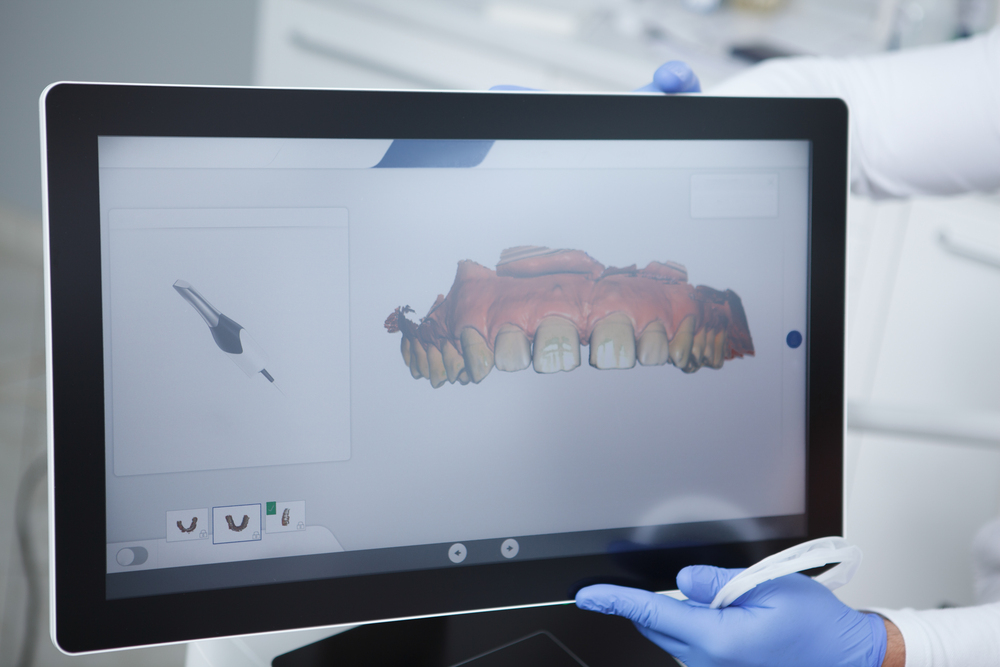
The frame of your teeth structure is vital in transforming your teeth arrangement, and the dentist is required to view it properly for better treatment. An intraoral camera provides dentists with an internal picture of the patient’s mouth. These pictures are used to enable the dentist to gain a better idea of your tooth structure and identify the correct method to rectify them. The intraoral camera is flexible, allowing it to reliably examine all distortions at any corner of the tooth.
Digital Smile Design (DSD)
DSD has become vital in cosmetic dentistry by enabling meticulous planning to achieve a good smile. The latest advancement of DSD incorporates software and imaging technologies that allow visualization of the face, tooth proportion, and lip appearance to ensure a natural and harmonious look. It enables you to have a glimpse of how you will look even before the treatment begins. The technique enables individuals to choose the best option that meets their expectations. For these reasons, many people seek out a cosmetic dentist to correct imperfections and improve the appearance of their smile by starting at the digital design stage.
Teeth Whitening
Tooth whitening is more affordable and refined due to technological advancements such as laser-assisted and modified whitening measures. People can now smile confidently, thanks to teeth whitening methods of bleaching teeth. The innovations have reduced the treatment time and increased the overall outcomes.
3D Printing
It is used in creating custom-made crowns, aligners, and dentures. The advancements of 3D printing has improved cosmetic dentistry treatment and personalized dental prostheses. Dentists can now create bridges and crowns with the help of the technology at their comfort. The use of an intraoral camera helps in digitally capturing teeth impressions and eliminates the use of traditional stressful impression materials. The technology has enhanced accuracy, simplified dentistry work, and improved patients’ experience.
Minimally Invasive Veneers
Veneers have been used to improve people’s smile for a long time. Today’s innovations make the technique more appealing and suitable as patients can improve their smile without altering with their tooth structure. The advanced veneer materials help dentists offer transformative results with less discomfort. The technology offers a patient the advantage of retaining their natural tooth structure while achieving the desired aesthetic.
Tele-Dentistry
It is an online service through which patients can access dental care remotely through virtual consultations. The dentist arranges for online sessions with their patients, reducing the time required to visit the office. The dentist can even guide the patients on how to get the best dentistry books on the market and read them to gain more knowledge about their teeth while they are at home.
The bottom line is that technological innovations have significantly improved cosmetic dentistry. People can now achieve their dream smile with the snap of a finger. Recent methods enable dentists to deliver satisfying results to their patients with less time and less discomfort. Dentists have changed the way they approach aesthetic treatments and improved patient experience. The innovations have transformed dental care and paved the way for more efficient and patient-centric approaches.
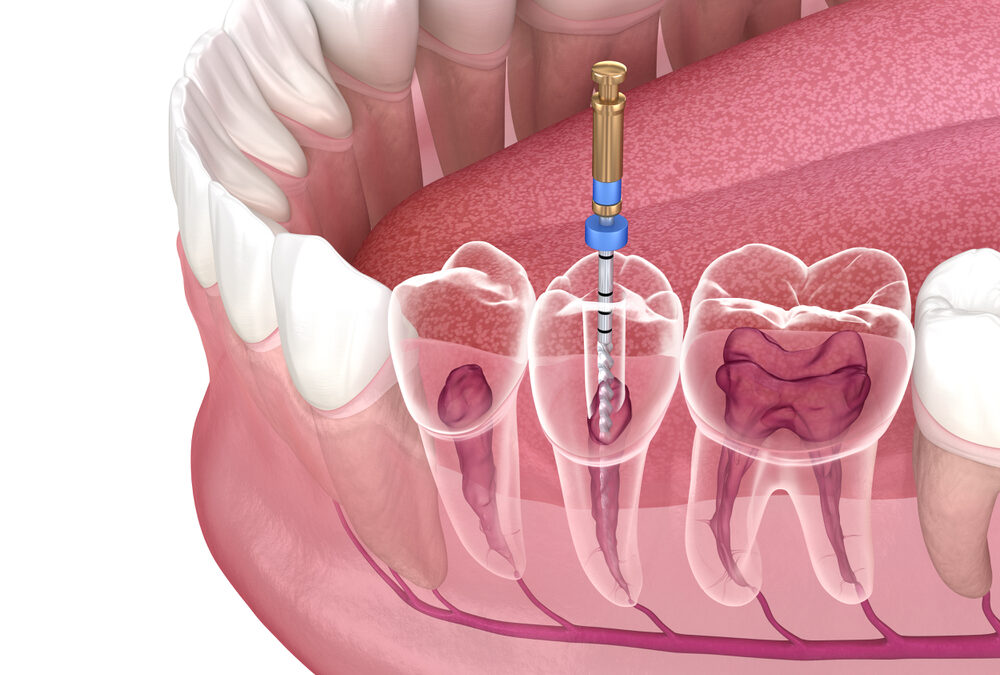
Root Canals Explained: What Happens to Your Tooth Nerve and Why It Matters
When it includes dental fitness, few strategies are as substantially stated—and every so often misunderstood—as a root canal. Often related to worry and pain, root canal treatment is, in fact, a not unusual and powerful manner designed to keep a teeth that could otherwise want to be extracted. But what exactly takes area for the duration of a root canal, and why is it so crucial for the health of your teeth? Understanding the area of your enamel nerve in this technique can help demystify the method and underscore its significance.
The Anatomy of a Tooth
To hold close to the importance of a root canal, it’s essential to first apprehend the form of a tooth. Each enamel consists of numerous layers:
1. Enamel: The difficult, outer layer that protects the teeth.
2. Dentin: The layer below the enamel, that is tons much less dense but although quite hard.
3. Pulp: The innermost a part of the enamel, containing the nerve and blood vessels.
The pulp, often called the enamel nerve, is crucial for the teeth’s health and sensation. It elements vitamins and is answerable for the teeth’s response to temperature changes and awesome stimuli. However, if the pulp will become damaged or infected, it is able to bring about immoderate pain and probable threaten the survival of the teeth.
What Is a Root Canal?
A root canal is a dental technique designed to cope with problems inside the pulp of a teeth. When the pulp becomes infected or inflamed due to decay, trauma, or exclusive problems, it may motive sizable ache and headaches. Root canal treatment desires to put off the damaged pulp, clean the internal of the enamel, and seal it to prevent future infections.
Here’s a step-via-step examine of the system:
1. Diagnosis: The dentist examines the enamel and can use X-rays to evaluate the quantity of the harm or contamination.
2. Anesthesia: Local anesthesia is run to numb the affected region, ensuring the affected man or woman is snug in the course of the gadget.
3. Access Opening: The dentist drills a small hollow within the teeth to get right of entry to the pulp chamber.
4. Cleaning and Shaping: The dentist gets rid of the infected or broken pulp tissue, cleans the muse canals, and shapes them to put together for filling.
5. Filling: The wiped easy canals are entire of a biocompatible material to seal them and prevent destiny infections.
6. Restoration: A transient or everlasting crown is positioned on the enamel to repair its feature and look.
Why the Tooth Nerve Matters
The teeth nerve, or pulp, performs a crucial feature in a teeth’s health. When it will become inflamed, the following pain and sensitivity are frequently excessive, making it easy that there’s a extreme hassle that dreams addressing. The infection can unfold to surrounding tissues, critical to greater important issues, consisting of abscesses or bone loss.
Root canal remedy is essential as it addresses the infection at its deliver, relieving ache and stopping the need for enamel extraction. By preserving the enamel, sufferers preserve their natural chunk and chewing feature, which may be appreciably impacted with the beneficial aid of enamel loss.
Becoming a Dentist: The Path to Performing Root Canals
For those interested in pursuing a career in dentistry, becoming proficient in procedures like root canal treatment is essential. A dentist must complete extensive education and training, including:
1. Undergraduate Education: A bachelor’s diploma in a applicable place, at the aspect of biology or chemistry, is commonly required.
2. Dental School: Attending an authorized dental university is vital for studying the abilities important to carry out numerous dental techniques, which includes root canals.
3. Licensing: Dentists want to bypass countrywide and u . S . Licensing tests to exercise professionally.
4. Postgraduate Training: Some dentists pick out out to specialize further, with greater training in endodontics (the branch of dentistry focusing on root canal treatment).
For aspiring dentists, mastering root canal remedy is virtually one detail of a huge talents set required for a a hit profession. The capability to diagnose, deal with, and manipulate numerous dental situations is important for offering exquisite care to patients.
The Importance of Early Intervention
One of the keys to a success root canal treatment is early intervention. If you revel in symptoms and symptoms which includes chronic toothache, extended sensitivity to heat or bloodless, or swelling throughout the gums, it’s critical to peer a dentist as fast as feasible. Early evaluation and remedy can save you more splendid damage and boom the possibility of a a success outcome.
The Takeaway
Root canal treatment is a important method in contemporary dentistry, presenting a way to preserve a teeth that could in any other case be out of place due to contamination or harm. Understanding what takes place for your enamel nerve at a few stage inside the method can assist alleviate fears and spotlight the significance of well timed intervention. For the ones interested in becoming a dentist, gaining knowledge of strategies like root canals is a key hassle of the schooling and skills required to deliver effective dental care.
By appreciating the position of root canal remedy and the enamel nerve, sufferers and future dentists alike can better understand the rate of this essential dental technique.
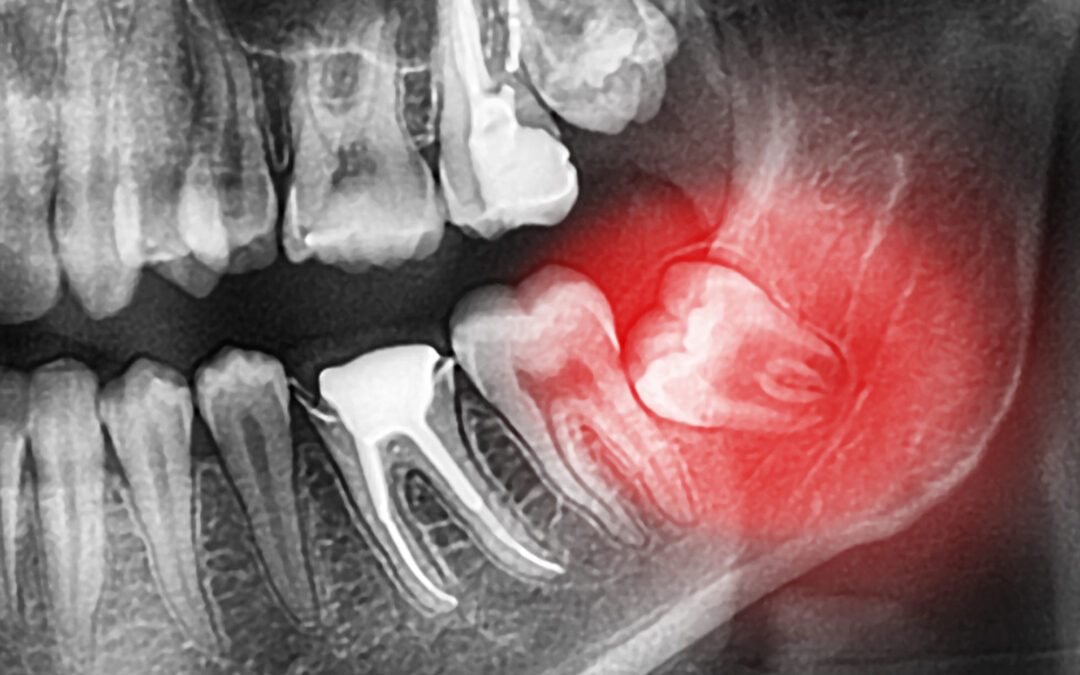
Wisdom Teeth Removal: How It Can Benefit Your Long-Term Health
Wisdom teeth, the third set of molars located at the back of your mouth, often become a topic of concern as they begin to emerge during late adolescence or early adulthood. For many, these teeth can cause more trouble than they’re worth, leading to the need for wisdom tooth extraction. This common dental procedure is not just about alleviating immediate discomfort but also plays a crucial role in ensuring long-term health benefits. In this article, we’ll explore how wisdom tooth extraction can positively impact your overall health and address common concerns such as dental anxiety.
The Importance of Wisdom Teeth Removal
Wisdom teeth are notorious for causing a range of issues. They often emerge improperly or become impacted, meaning they don’t fully erupt through the gum line. This can lead to a host of problems including:
– Crowding and Misalignment: As wisdom teeth attempt to come in, they can push against neighboring teeth, causing them to shift and potentially disrupt your bite. This misalignment can complicate oral hygiene and may necessitate additional orthodontic treatment.
– Infection and Decay: Partially erupted wisdom teeth create pockets between the tooth and the gum where bacteria can accumulate, leading to infections like pericoronitis. These infections can be painful and may spread if not treated promptly.
– Cysts and Tumors: Impacted wisdom teeth can form cysts or tumors in the jawbone, which may cause bone damage and necessitate further surgical intervention.
By opting for wisdom tooth extraction, you can avoid these potential complications and safeguard your dental health. But the benefits extend beyond just avoiding immediate dental issues.
Long-Term Health Benefits of Wisdom Tooth Extraction
1. Reduced Risk of Oral Health Complications: By removing wisdom teeth before they cause significant problems, you can avoid chronic issues such as gum disease, decay, and infections. This proactive approach helps maintain your oral health and reduces the need for more invasive treatments in the future.
2. Preventing Tooth Misalignment: As mentioned, wisdom teeth can crowd or shift other teeth, potentially undoing years of orthodontic work. By extracting them early, you can help preserve the alignment of your teeth and avoid the need for additional orthodontic correction.
3. Enhanced Overall Health: Oral infections and diseases can have far-reaching effects on your overall health. For example, untreated gum disease is linked to conditions such as heart disease, diabetes, and respiratory issues. By ensuring that wisdom teeth are properly managed, you can minimize the risk of these systemic health problems.
4. Improved Comfort and Quality of Life: Persistent pain or discomfort from wisdom teeth can affect your daily life, including eating, speaking, and even sleeping. Removing these problematic teeth can lead to a significant improvement in your quality of life, allowing you to enjoy daily activities without the hindrance of dental pain.
Addressing Dental Anxiety
For many people, the idea of undergoing a dental procedure like wisdom tooth extraction can trigger significant dental anxiety. It’s essential to address these concerns to ensure a smooth and stress-free experience.
1. Communication with Your Dentist: Open communication with your dentist about your fears and concerns is crucial. They can provide information about the procedure, explain the steps involved, and discuss pain management options. Understanding what to expect can alleviate some of the anxiety associated with the procedure.
2. Sedation Options: Many dental offices offer sedation options to help patients feel more comfortable during the extraction. These can range from local anesthesia to more advanced options like conscious sedation or general anesthesia, depending on the complexity of the extraction and your personal comfort levels.
3. Post-Operative Care: Knowing that you have a plan for recovery can also help ease anxiety. Your dentist will provide instructions on how to care for your mouth after the extraction, including tips on managing pain and avoiding complications. Following these guidelines can help ensure a smooth recovery process.
4. Support System: Having a trusted friend or family member accompany you to the appointment can provide additional comfort and support. They can help you navigate the post-operative period and ensure that you follow the care instructions provided by your dentist.
Wisdom tooth extraction may seem like a daunting prospect, but its benefits for long-term health are significant. By addressing potential complications early and managing dental anxiety effectively, you can enjoy better oral health and overall well-being. Removing wisdom teeth not only prevents immediate issues but also helps preserve your dental alignment, reduce the risk of systemic health problems, and improve your quality of life. If you’re experiencing issues with your wisdom teeth or have concerns about the procedure, consult with your dentist to discuss the best course of action for your health.

Hollywood’s Smile Makers: Inside the World of Celebrity Dentists
In the glitzy world of Hollywood, where appearances can make or break a career, having a perfect smile is more than just a matter of dental health—it’s a crucial aspect of personal branding. The architects behind these dazzling smiles are celebrity dentists, experts who have mastered the art of dental aesthetics to cater to the elite. One name that stands out in this illustrious field is Dr. Pabustan of Dental Couture. His expertise, combined with the power of social media, has revolutionized the way we perceive dental care in the entertainment industry.
The Art of Dental Aesthetics
Dental aesthetics is a specialized field that goes beyond routine dental care. It involves a combination of science and art to enhance the appearance of teeth, gums, and overall smile. Celebrity dentists like Dr. Pabustan are not just dental professionals; they are artists who meticulously craft smiles that exude confidence and charisma. Their work involves procedures such as teeth whitening, veneers, crowns, and orthodontics, all tailored to meet the unique needs of their high-profile clients.
Dr. Pabustan of Dental Couture
Dr. Pabustan has become a household name in Hollywood, known for his exceptional skills and innovative approach to dental aesthetics. Based in the upscale clinic, Dental Couture, Dr. Pabustan caters to a clientele that includes A-list actors, musicians, and influencers. His philosophy revolves around providing personalized care, ensuring that each smile he creates is as unique as the individual behind it.
At Dental Couture, the focus is on creating a luxurious experience for patients. The clinic is designed to offer a serene and comfortable environment, equipped with state-of-the-art technology. Dr. Pabustan’s team comprises highly skilled professionals who share his commitment to excellence. Together, they work to transform smiles and boost the confidence of their clients, one appointment at a time.
The Role of Social Media
In today’s digital age, social media plays a pivotal role in the success of celebrity dentists. Platforms like Instagram, TikTok, and YouTube have become powerful tools for showcasing their work and reaching a wider audience. Dr. Pabustan has harnessed the power of social media to build his brand and connect with potential clients.
By sharing before-and-after photos, behind-the-scenes glimpses of dental procedures, and testimonials from satisfied patients, Dr. Pabustan has created a strong online presence. His social media accounts are a testament to his expertise, featuring stunning transformations that highlight his skill and artistry. This transparency not only builds trust with his audience but also educates them about the importance of dental aesthetics.
Moreover, social media allows Dr. Pabustan to stay ahead of trends and innovations in the field. By engaging with followers and fellow professionals, he can exchange ideas and stay updated on the latest techniques and technologies. This continuous learning and adaptation ensure that Dental Couture remains at the forefront of the industry, offering cutting-edge solutions to its clientele.
Transforming Lives, One Smile at a Time
The impact of a beautiful smile extends beyond the superficial. For many celebrities, their smile is a crucial part of their public image and personal brand. A captivating smile can enhance their appeal, boost their confidence, and open doors to new opportunities. Celebrity dentists like Dr. Pabustan understand this dynamic and work tirelessly to help their clients achieve their best smiles.
One of the most rewarding aspects of Dr. Pabustan’s work is witnessing the transformation in his patients’ lives. A radiant smile can significantly improve one’s self-esteem, leading to greater success both professionally and personally. This transformative power of dental aesthetics is what drives Dr. Pabustan and his team to continually strive for excellence.
The Future of Celebrity Dentistry
As the demand for aesthetic dental procedures continues to grow, the field of celebrity dentistry is poised for further innovation and expansion. Advances in technology, such as 3D printing and digital smile design, are revolutionizing the way dentists approach their work. These innovations enable more precise and efficient treatments, resulting in even more stunning and natural-looking smiles.
Additionally, the integration of wellness and holistic approaches into dental care is gaining traction. Celebrity dentists are increasingly focusing on the overall well-being of their patients, considering factors such as nutrition, stress management, and lifestyle choices in their treatment plans. This holistic approach ensures that the results are not only aesthetically pleasing but also sustainable and beneficial for the patient’s overall health.
Hollywood’s smile makers, like Dr. Pabustan of Dental Couture, are more than just dentists—they are artists and innovators who have mastered the delicate balance between science and aesthetics. Through their expertise and the power of social media, they have transformed the field of dental care, making it an integral part of the entertainment industry’s fabric. As they continue to push the boundaries of what is possible, one thing remains certain: the smiles they create will continue to light up the silver screen and inspire confidence in people around the world.
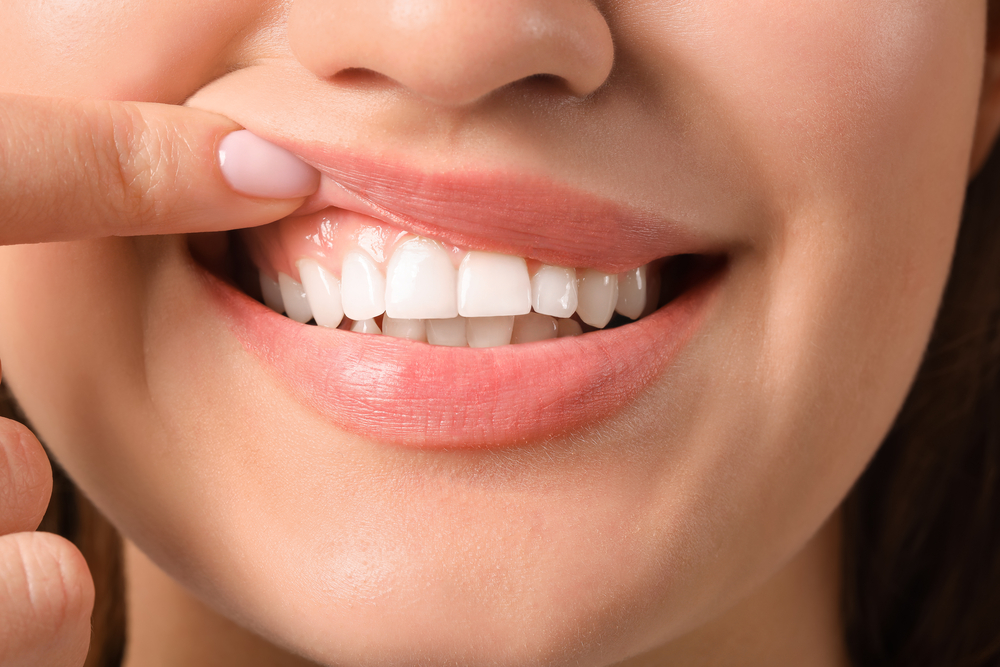
Preventing Gum Disease: Tips And Tricks For Maintaining Periodontal Health
Gum disease, also known as periodontal disease, is a common but preventable condition that affects the gums and bones supporting the teeth. It’s an issue that can range from mild inflammation (gingivitis) to serious disease that results in damage to the soft tissue and bone. Preventing gum disease is crucial for maintaining overall oral health and avoiding more severe dental problems in the future. Here are some effective tips and tricks to help you keep your gums healthy and prevent gum disease.
Understanding Gum Disease
Gum disease begins with bacterial growth in your mouth and may end with tooth loss if not properly treated. The primary cause of gum disease is the accumulation of plaque — a sticky, colorless film of bacteria that forms on your teeth. When plaque is not removed through daily brushing and flossing, it can harden into tartar, which only a professional cleaning by a dentist or dental hygienist can remove.
The early stage of gum disease is gingivitis, which is characterized by red, swollen gums that bleed easily. Fortunately, gingivitis can usually be reversed with good oral hygiene. However, if left untreated, gingivitis can progress to periodontitis. At this stage, the inner layer of the gum and bone pull away from the teeth and form pockets. These small spaces between teeth and gums can collect debris and become infected. If not treated, the bones, gums, and tissue that support the teeth are destroyed.
Tips for Preventing Gum Disease
1. Brush Your Teeth Properly: Brush your teeth at least twice a day using a fluoride toothpaste. Make sure to use a toothbrush with soft bristles and replace it every three to four months, or sooner if the bristles are frayed. Position your toothbrush at a 45-degree angle to your gums and use short, gentle strokes to clean all surfaces of your teeth and tongue.
2. Floss Daily: Flossing removes plaque and food particles from between your teeth and under the gum line, areas your toothbrush can’t reach. Use about 18 inches of floss, winding most of it around each middle finger, and leave an inch or two to work with. Gently slide it between your teeth and curve it against one tooth. Rub the floss gently up and down, continuing to floss each tooth with a clean section of floss.
3. Use Mouthwash: Antibacterial mouthwashes can reduce bacteria in the mouth, which helps prevent gum disease. Rinse with an antimicrobial mouthwash daily to reduce plaque and prevent gingivitis. Mouthwash also helps remove food particles and debris from your mouth, although it is not a substitute for brushing and flossing.
4. Maintain a Healthy Diet: A balanced diet can help prevent gum disease by providing essential nutrients to maintain healthy gums. Foods rich in vitamin C and E, antioxidants, and omega-3 fatty acids can promote gum health. Avoid sugary and acidic foods and drinks, as they can contribute to plaque buildup and gum disease.
5. Regular Dental Check-ups: Visit your dentist regularly for professional cleanings and check-ups. Regular dental visits help detect early signs of gum disease, and professional cleanings remove tartar that cannot be eliminated by brushing and flossing alone. Your dentist can also provide personalized advice for improving your oral hygiene routine.
6. Quit Smoking: Smoking is strongly associated with the onset of gum disease. Tobacco use weakens your immune system, making it harder to fight off a gum infection. Additionally, smoking hampers the healing process of your gums. Quitting smoking is one of the best things you can do for your gum health.
7. Manage Stress: Stress can negatively impact your oral health by increasing your risk of gum disease. It can impair your immune system, making it more difficult for your body to fight off infections. Practice stress-reducing techniques such as yoga, meditation, or exercise to maintain overall health and support gum health.
8. Stay Hydrated: Drinking plenty of water helps wash away food particles and bacteria, keeping your mouth clean. Water also stimulates saliva production, which naturally cleanses your mouth and neutralizes acids produced by plaque bacteria.
Special Consideration: Ulcerative Gingivitis
Some individuals may suffer from a more severe form of gum disease known as ulcerative gingivitis, also referred to as necrotizing ulcerative gingivitis (NUG) or trench mouth. This condition is characterized by painful, bleeding gums, bad breath, and ulcers on the gums. Ulcerative gingivitis is often associated with poor oral hygiene, smoking, stress, and a compromised immune system.
Preventing ulcerative gingivitis involves rigorous oral hygiene practices, such as those mentioned above. It’s essential to seek prompt treatment if you notice symptoms of ulcerative gingivitis. Your dentist may recommend professional cleaning, antibiotics, and specialized oral care products to manage the condition effectively.
Preventing gum disease is an ongoing commitment to good oral hygiene and healthy lifestyle choices. By brushing and flossing daily, using mouthwash, maintaining a balanced diet, and visiting your dentist regularly, you can significantly reduce your risk of gum disease. For those suffering from ulcerative gingivitis, timely professional care and meticulous oral hygiene are critical for managing and preventing the condition. Remember, a healthy smile starts with healthy gums, so take the necessary steps to protect your periodontal health today.
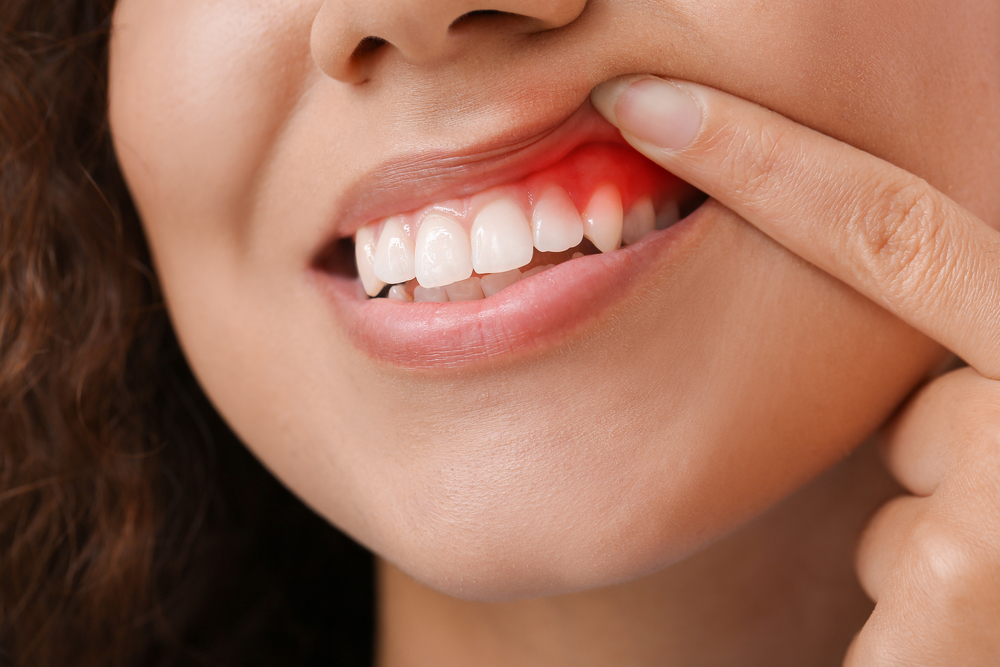
Periodontal Treatment: It Will Protect Your Heart & Other Organs Too
Periodontal health is a cornerstone of overall well-being, influencing not only the health of your gums and teeth but also impacting various other bodily systems. The importance of maintaining healthy gums cannot be overstated, as periodontitis often spreads to other body parts, leading to systemic health issues. In this article, we will explore how periodontal treatment can safeguard your heart and other organs, delving into the interconnectedness of oral and overall health and discussing effective treatments for gingivitis.
Understanding Periodontitis and Its Far-reaching Effects
Periodontitis is a severe form of gum disease that arises from untreated gingivitis. It involves the inflammation and infection of the gums, leading to the destruction of the supporting structures of the teeth, including the bone. The consequences of periodontitis extend beyond the mouth; it has been associated with numerous systemic health problems.
One of the critical ways in which periodontitis affects the body is through the dissemination of bacteria and inflammatory mediators into the bloodstream. This spread can trigger or exacerbate systemic conditions, contributing to a cycle of chronic inflammation. Research has established strong links between periodontitis and cardiovascular diseases, diabetes, respiratory diseases, and adverse pregnancy outcomes, highlighting the importance of treating this condition promptly and effectively.
The Cardiovascular Connection
The link between periodontal disease and cardiovascular health is well-documented. Inflammation plays a pivotal role in both conditions. The bacteria from periodontal infections can enter the bloodstream and travel to the arteries in the heart, causing them to narrow and harden—a process known as atherosclerosis. This can lead to an increased risk of heart attacks and strokes. Moreover, the chronic inflammation caused by periodontal disease can contribute to the buildup of arterial plaque, further elevating cardiovascular risks.
A study published in the Journal of Periodontology found that people with periodontitis are almost twice as likely to suffer from coronary artery disease compared to those with healthy gums. This compelling evidence underscores the need for rigorous periodontal care as a preventive measure for heart disease.
Impact on Other Organs and Systems
Beyond cardiovascular health, periodontitis often spreads to other body parts, affecting various organs and systems. For instance, the inflammation associated with periodontal disease has been linked to diabetes management challenges. People with diabetes are more susceptible to infections, including gum disease, and the presence of periodontitis can make it harder to control blood sugar levels, creating a detrimental feedback loop.
Respiratory health is another area influenced by periodontal disease. Bacteria from the mouth can be inhaled into the lungs, potentially causing respiratory infections or exacerbating existing conditions such as chronic obstructive pulmonary disease (COPD) and pneumonia. Additionally, pregnant women with periodontitis are at a higher risk of preterm birth and low birth weight babies, likely due to the systemic inflammatory response.
Effective Treatments for Gingivitis and Periodontitis
Addressing gum disease in its early stages—namely, gingivitis—is crucial in preventing its progression to periodontitis and subsequent systemic effects. Gingivitis is characterized by red, swollen gums that may bleed easily. Fortunately, it is reversible with timely and proper care. Here are some effective treatments for gingivitis:
1. Professional Dental Cleaning: The first step in treating gingivitis involves a thorough professional cleaning by a dentist or dental hygienist. This procedure removes plaque and tartar buildup, which are the primary culprits in gum inflammation.
2. Good Oral Hygiene Practices: Maintaining a rigorous oral hygiene routine is essential. This includes brushing at least twice a day with fluoride toothpaste, flossing daily to remove plaque between teeth, and using an antiseptic mouthwash to reduce bacterial load.
3. Regular Dental Checkups: Regular visits to the dentist for checkups and cleanings help monitor gum health and catch any signs of gingivitis early, preventing its progression to periodontitis.
4. Antibiotic Treatments: In some cases, dentists may prescribe antibiotic treatments to address bacterial infection and inflammation. This can include topical antibiotics applied directly to the gums or oral antibiotics.
5. Lifestyle Modifications: Quitting smoking, managing stress, and maintaining a balanced diet can significantly improve gum health. Smoking cessation is particularly important, as tobacco use is a major risk factor for periodontal disease.
Comprehensive Periodontal Treatment
For those with periodontitis, more intensive treatments are required. Scaling and root planing, a deep cleaning procedure that removes plaque and tartar from below the gum line and smooths the tooth roots, is often the first line of defense. In more advanced cases, surgical interventions such as flap surgery or bone and tissue grafts may be necessary to restore supportive structures.
Periodontal treatment is vital not only for maintaining oral health but also for protecting overall health. Given that periodontitis often spreads to other body parts, addressing gum disease promptly can prevent serious systemic conditions, particularly cardiovascular diseases. By investing in treatments for gingivitis and advanced periodontal care, individuals can safeguard their hearts and other organs, ensuring a healthier future. Regular dental visits, good oral hygiene, and healthy lifestyle choices are the foundation of effective periodontal disease prevention and treatment.
The Declining Longevity of Teeth in the 21st Century
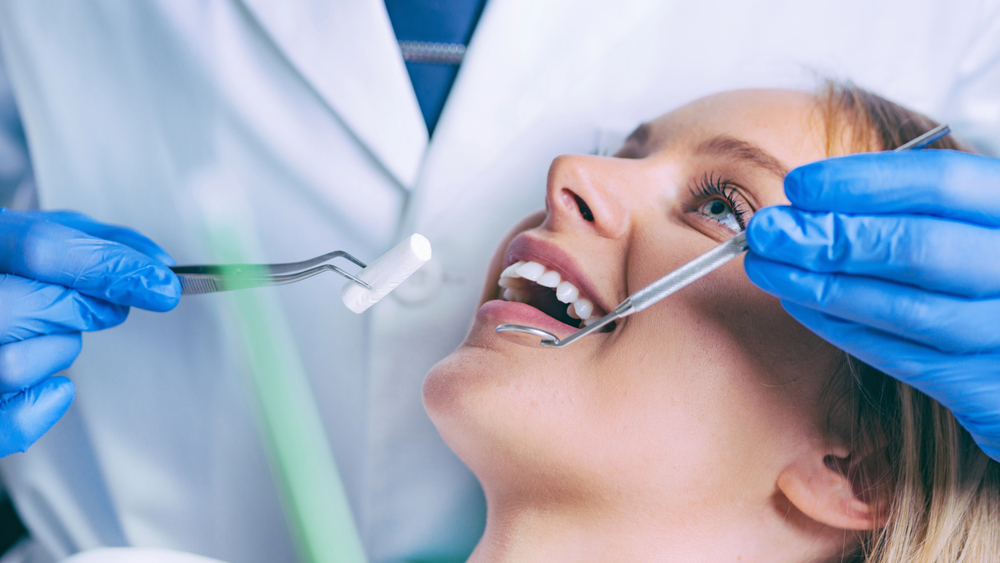
The 21st century has brought remarkable advancements in medical science and technology, yet paradoxically, the longevity of teeth appears to be on the decline. This unexpected trend can be attributed to various factors, ranging from dietary changes to evolving lifestyles. Despite improvements in dental care, the increasing need for comprehensive treatments indicates that tooth restoration may be a fix too late for many individuals.
Modern Diets and Their Impact
One of the most significant contributors to the declining longevity of teeth is modern diet. The 21st century diet is heavily laden with sugars and processed foods, which are major culprits in the development of dental caries and erosion. The consumption of acidic beverages, such as sodas and energy drinks, exacerbates this issue by weakening enamel, the tooth’s protective outer layer. Despite public health campaigns promoting reduced sugar intake, the prevalence of sugary foods and drinks remains high, contributing to widespread dental problems.
Lifestyle Changes and Oral Health
Lifestyle changes in the 21st century also play a critical role in the declining longevity of teeth. Increased stress levels, often resulting in habits such as teeth grinding (bruxism), lead to significant dental wear and tear. Additionally, the rise in the popularity of tobacco and vaping products has detrimental effects on oral health, including gum disease and tooth decay. While smoking has long been known to harm dental health, vaping introduces new risks with chemicals that can damage both teeth and gums.
Tooth Restoration May Be a Fix Too Late
As dental issues become more prevalent, the reliance on restorative procedures has surged. Tooth restoration techniques, including fillings, crowns, and implants, aim to repair damaged teeth and restore functionality. However, these solutions often address the symptoms rather than the underlying causes of dental problems. By the time restorative procedures are needed, significant damage has often already occurred, highlighting the adage that tooth restoration may be a fix too late.
The increasing incidence of restorative dental treatments underscores the importance of preventive care. Regular dental check-ups, good oral hygiene practices, and dietary modifications are crucial in maintaining the longevity of natural teeth. Unfortunately, many individuals delay seeking dental care until problems become severe, at which point restorative treatments are necessary but may not fully restore the original health and longevity of the teeth.
The Role of Comprehensive Treatments
In response to the growing dental health challenges comprehensive treatments are becoming more common. These treatments go beyond simple restorative procedures to address multiple aspects of dental health. Comprehensive dental care includes preventive measures, early intervention, and advanced restorative techniques designed to manage and mitigate extensive damage.
For example, a comprehensive treatment plan for a patient with advanced gum disease might involve deep cleaning, surgical interventions, and ongoing maintenance to prevent recurrence. Similarly, patients with severe tooth wear from bruxism may benefit from a multi-faceted approach that includes bite guards, restorative work, and stress management strategies. By addressing the root causes of dental problems and providing holistic care, comprehensive treatments offer a more effective solution for preserving dental health.
Technological Advancements in Dentistry
The 21st century has also seen significant technological advancements in dentistry, which have revolutionized the way dental care is delivered. Digital imaging, laser treatments, and computer-aided design and manufacturing (CAD/CAM) have enhanced the precision and efficiency of dental procedures. These technologies enable early detection of dental issues and more accurate restorations, contributing to better outcomes.
Despite these advancements, the fundamental challenge remains: preventing dental problems before they necessitate intervention. While technology can enhance the quality of dental care, it cannot replace the need for preventive measures and healthy lifestyle choices.
The Importance of Education and Awareness
Education and awareness play a pivotal role in reversing the trend of declining tooth longevity. Public health initiatives aimed at educating individuals about the importance of oral hygiene, healthy eating habits, and regular dental visits are essential. Schools, workplaces, and community organizations can all contribute to spreading knowledge about effective dental care practices.
Moreover, addressing socio-economic barriers to dental care is crucial. Many individuals, particularly those in underserved communities, lack access to regular dental services. By improving access to dental care and promoting preventive practices, it is possible to enhance the longevity of teeth across diverse populations.
The declining longevity of teeth in the 21st century is a multifaceted issue influenced by modern diets, lifestyle changes, and delayed dental care. While restorative treatments are essential, they often come too late to fully restore dental health. Comprehensive treatments are becoming more common as they offer a holistic approach to managing dental issues. However, the key to reversing this trend lies in preventive care, education, and addressing socio-economic barriers to dental services. By prioritizing these measures, it is possible to improve the longevity of teeth and overall oral health in the 21st century.
Digital Smile Design: Dentistry’s Celebrity Treatment
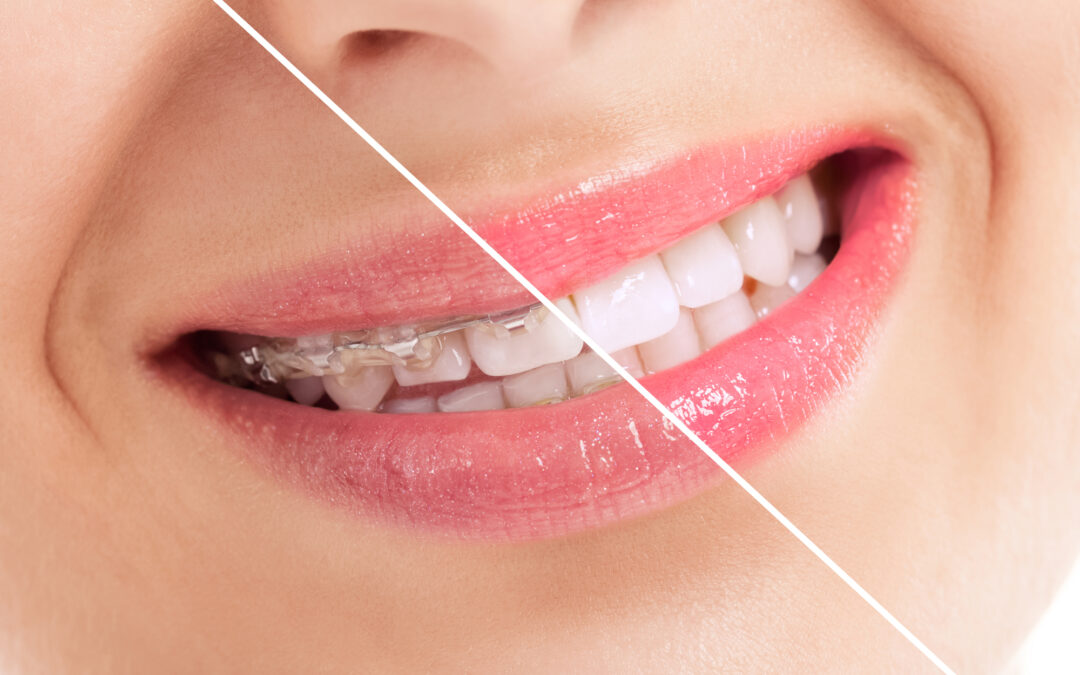
In an era where aesthetics play a pivotal role in personal and professional success, having a perfect smile has become more important than ever. Enter Digital Smile Design (DSD), a revolutionary approach in cosmetic dentistry that has gained significant traction, particularly among those in the public eye. Often referred to as dentistry’s celebrity treatment, DSD offers individuals a digital blueprint of their future smile, allowing them to visualize the end result before any actual dental work begins. However, despite its allure, the process can be brutal, demanding meticulous planning and execution.
The Allure of a Digital Blueprint
Digital Smile Design utilizes advanced technology to create a virtual representation of an individual’s smile. This is achieved through a combination of digital photography, videography, and specialized software. The software analyzes various aspects of the patient’s facial and dental structure, taking into account factors such as lip dynamics, gum line, and tooth symmetry. This data is then used to generate a highly detailed and personalized digital blueprint of the patient’s future smile.
One of the most compelling aspects of DSD is the ability for patients to see a realistic preview of their new smile. This digital mock-up provides a clear visual representation, helping patients to set realistic expectations and make informed decisions about their treatment. It’s particularly popular among celebrities and public figures who rely heavily on their appearance for their careers. With DSD, they can ensure that their smile will complement their overall facial aesthetics perfectly.
The Brutal Process
While the end result of Digital Smile Design can be stunning, the journey to get there is not for the faint-hearted. The process can be brutal, involving several stages of planning, preparation, and execution.
Initial Consultation and Data Collection
The first step in DSD involves an in-depth consultation with a cosmetic dentist. This is where the patient’s desires and expectations are discussed in detail. High-resolution photographs and videos are taken from multiple angles to capture the patient’s current dental and facial structure. Additionally, digital scans of the teeth are performed to create a precise 3D model.
Design and Planning
Once the data is collected, the dentist collaborates with a team of dental technicians and designers to create a digital blueprint of your future smile. This stage requires a keen eye for detail and a deep understanding of dental aesthetics. The team meticulously adjusts the shape, size, and positioning of each tooth in the digital model, ensuring that the final design enhances the patient’s overall facial harmony.
Approval and Adjustment
The digital blueprint is then presented to the patient for review. This is a critical stage where the patient can suggest adjustments and provide feedback. It’s not uncommon for multiple revisions to be made before the final design is approved. This iterative process can be time-consuming and mentally exhausting for patients, but it’s essential to ensure complete satisfaction with the end result.
Execution of the Treatment Plan
With the digital blueprint finalized, the actual dental work begins. This can involve a variety of procedures, including orthodontics, veneers, crowns, and Dental Implants in West Orange, NJ. Depending on the complexity of the case, the treatment can span several months and require numerous dental appointments.
The physical demands on the patient can be significant. Extensive dental work often involves discomfort, and in some cases, pain. Procedures like tooth extraction, gum reshaping, and implant placement can be particularly intense. Additionally, there is the emotional toll of undergoing such a transformation, which can be daunting.
Final Adjustments and Maintenance
Once the primary dental work is completed, there are often additional adjustments needed to perfect the smile. This could include minor reshaping of the teeth, whitening, or fine-tuning the bite. Maintaining the new smile also requires ongoing care, including regular dental check-ups and professional cleanings.
The End Result: A Perfect Smile
Despite the challenges and discomfort associated with Digital Smile Design, the end result is often worth the effort. Patients emerge with a smile that not only looks beautiful but also feels natural and functions well. For celebrities and individuals in the public eye, this can translate to increased confidence and a more polished appearance, both of which are invaluable in their professional lives.
Digital Smile Design represents a significant advancement in cosmetic dentistry, offering a blend of artistry and technology to create the perfect smile. While the process can be brutal, involving extensive planning, rigorous procedures, and significant emotional and physical investment, the ability to visualize and achieve a stunning smile makes it a worthwhile endeavor for many. For those willing to endure the journey, DSD provides a transformative experience, culminating in a smile that truly shines.
Oral Health & Oral Sex: What a Dentist Can See
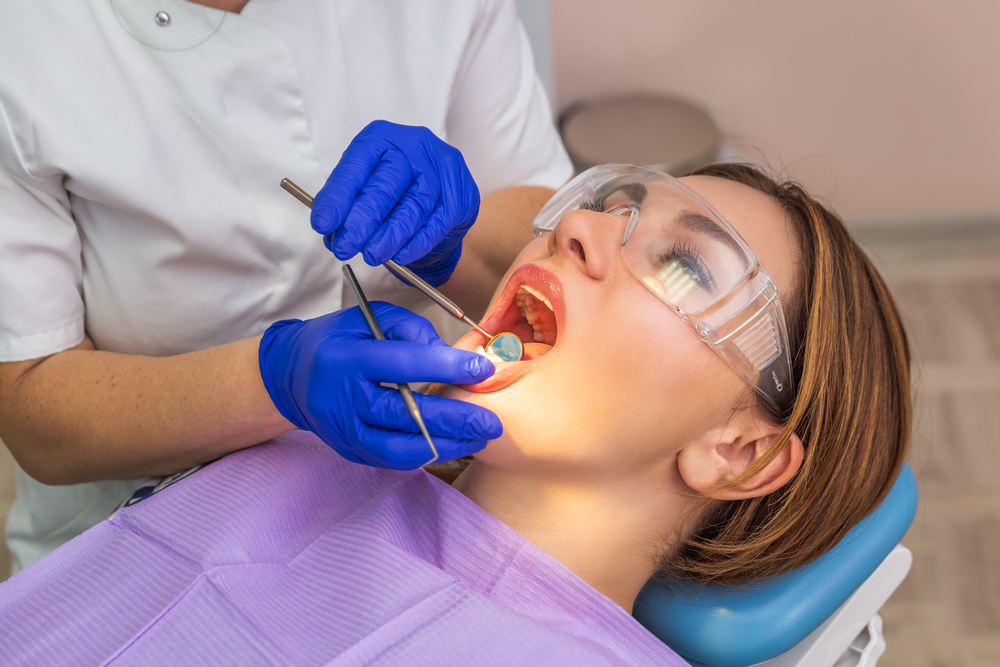
Oral health is an integral part of overall well-being, often discussed in terms of cavities, gum disease, and toothaches. However, an aspect of oral health that isn’t as commonly addressed is its connection to sexual practices, specifically oral sex. Many might not realize that even your family dentist, in a general oral check-up, can detect signs related to your sexual activities. Understanding this can be an essential component of a dental education for adults, promoting better health practices and awareness.
The Mouth as a Window to Your Health
The mouth is more than just a tool for eating and speaking; it is a gateway to your body, reflecting a wide array of health conditions. Dentists are trained to look for signs of diseases and infections that manifest in the oral cavity. These signs can sometimes indicate systemic conditions, including sexually transmitted infections (STIs).
What Can Dentists Detect?
During a routine dental check-up, a dentist examines the mouth for any abnormalities. Here are some specific signs related to oral sex that a dentist might notice:
1. Oral HPV:
Human papillomavirus (HPV) can infect the mouth and throat, leading to oral warts. These can be transmitted through oral sex. A dentist might spot these warts during a general oral examination.
2. Herpes Simplex Virus (HSV):
HSV can cause cold sores or fever blisters around the mouth. While these are often associated with non-sexual transmission, HSV-1 and HSV-2 can both be transmitted through oral-genital contact. Dentists can identify these sores, which might prompt further discussion about sexual health.
3. Gonorrhea and Chlamydia:
These common STIs can infect the throat, causing symptoms such as a sore throat, swollen lymph nodes, and tonsillitis. Though these symptoms might overlap with other conditions, a dentist aware of these possibilities might recommend further testing.
4. Syphilis:
Oral syphilis can present as sores or ulcers in the mouth. These can be painless and go unnoticed by the patient but can be identified during an oral examination.
Importance of Transparency and Communication
While it might be uncomfortable to discuss sexual practices with your dentist, transparency is crucial for accurate diagnosis and treatment. If a dentist notices symptoms that could be linked to an STI, having background information can help in providing the best care. It’s part of a comprehensive approach to a dental education for adults, emphasizing the importance of being open about all aspects of health with your healthcare providers.
Preventative Measures and Best Practices
To maintain optimal oral health and reduce the risk of transmitting or contracting infections through oral sex, consider the following preventive measures:
1. Regular Dental Check-ups:
Consistent visits to the dentist allow for early detection of any oral health issues, including those related to sexual activities.
2. Good Oral Hygiene:
Brushing and flossing regularly keep the mouth clean and reduce the risk of infections.
3. Use of Barriers:
Dental dams or condoms can significantly reduce the risk of STIs during oral sex.
4. Avoid Oral Sex When There Are Mouth Sores:
If you have cold sores, cuts, or other injuries in your mouth, it’s best to avoid oral sex until they have fully healed to prevent transmission of infections.
5. Vaccinations:
The HPV vaccine is highly effective in preventing certain strains of HPV that can cause oral and other cancers. Discuss vaccination options with your healthcare provider.
Educating Adults on Comprehensive Oral Health
A modern dental education for adults should encompass more than just the basics of brushing and flossing. It should include information about the oral-systemic connection and how lifestyle choices, including sexual practices, can impact oral health.
Dentists play a pivotal role in this educational process. By creating an open environment where patients feel comfortable discussing all aspects of their health, dentists can better serve their patients. Educational initiatives might include:
– Workshops and Seminars:
Dental practices can host educational sessions about the links between oral health and sexual practices, promoting a holistic understanding of health.
– Literature and Online Resources:
Providing patients with brochures, articles, and reliable online resources can help them stay informed about these important issues.
– One-on-One Consultations:
Personalized advice during dental visits can help address specific concerns related to sexual health and oral hygiene.
Oral health is a comprehensive field that intersects with many aspects of our lives, including sexual health. Even your family dentist, in a general oral check-up, can detect signs that hint at your sexual activities. By promoting a dental education for adults that includes these aspects, we can foster a more informed and health-conscious society. Transparency with your dentist, combined with good hygiene practices and preventative measures, can help ensure your oral and overall health remains in peak condition.