
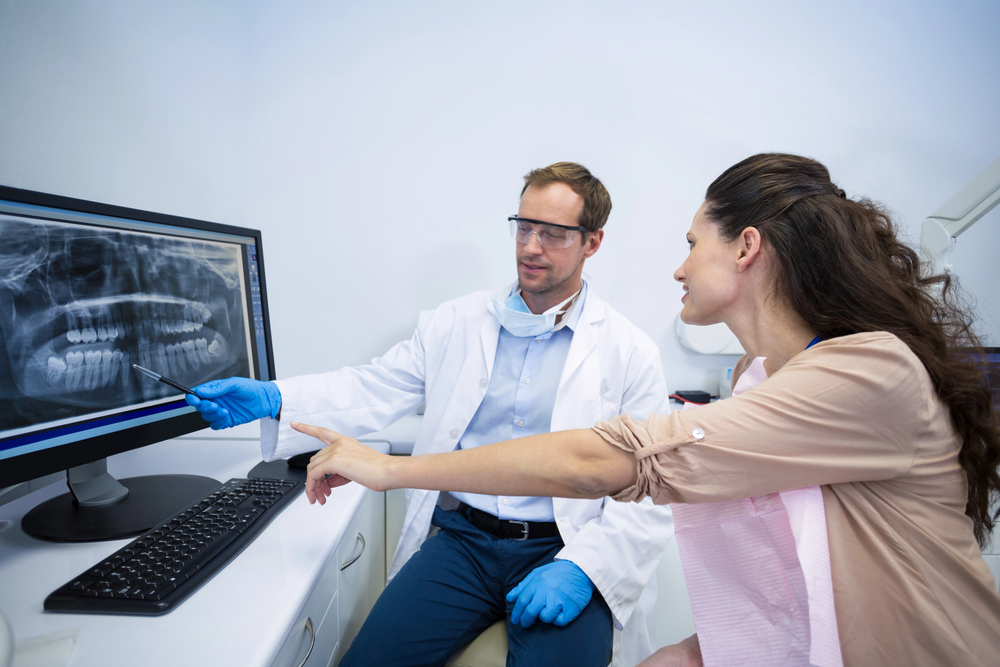
For decades, the path to a Hollywood smile was often a journey into the unknown. Patients would describe their goals, and dentists would do their best to translate those desires into physical restorations, but the final reveal was frequently met with a mix of anticipation and anxiety. Today, that uncertainty is being replaced by precision and predictability. The advent of Digital Smile Design (DSD) has transformed cosmetic dentistry from a reactive process into a collaborative, architectural masterclass, ensuring that every enhancement is uniquely tailored to the individual.
The Shift Toward Facial Harmony
The primary philosophy behind modern digital technology is the shift from “tooth-centric” to “face-centric” planning. In the past, dental restorations were often designed in isolation, focusing solely on the shape and whiteness of the teeth. This occasionally led to results that, while technically perfect, looked artificial or mismatched with the patient’s facial features.
Digital smile technology utilizes high-resolution 3D imagery and videography to analyze how the teeth interact with the lips, gums, and cheeks during movement. By capturing the face in motion—laughing, speaking, and smiling naturally—practitioners can create a restorative plan that complements the patient’s unique bone structure and skin tone. This level of personalization ensures that the final result does not just look like a set of new teeth, but like an organic part of the person’s identity.
Virtual Visualization and the Mock-Up Phase
One of the most significant breakthroughs in this field is the ability for patients to “test drive” their smile before any permanent work begins. Once the digital scans are captured, specialized software creates a 3D model of the proposed changes. This isn’t just a static image on a screen; it is often translated into a physical “wax-up” or a temporary resin mock-up that can be placed over the patient’s existing teeth.
This tangible phase allows the patient to see the length, shape, and alignment of their future smile in real-time. It fosters a collaborative environment where the patient becomes a co-designer. If a tooth feels too long or the arch seems too wide, adjustments can be made digitally and physically until the design is perfected. This eliminates the “buyer’s remorse” that once haunted cosmetic procedures, providing total peace of mind.
Precision Engineering and Minimally Invasive Techniques
Beyond aesthetics, digital technology enhances the clinical accuracy of dental work. Because the design is mapped out with sub-millimeter precision, dentists can be far more conservative in their approach. Traditional methods often required more significant removal of natural tooth enamel to accommodate veneers or crowns. With digital planning, the dentist knows exactly where material needs to be added or subtracted, often allowing for “prepless” or minimally invasive options.
Furthermore, the integration of CAD/CAM (Computer-Aided Design and Manufacturing) means that the final restorations are milled or 3D-printed directly from the approved digital blueprint. This ensures that the final porcelain veneers or crowns are an exact replica of the mock-up the patient approved, leaving no room for human error in the laboratory transition.
Seamless Integration with Modern Trends
The rise of this technology coincides with a broader shift in patient expectations. We are seeing a significant rise in cosmetic dentistry trends embracing digital smile design nationwide, as Australians increasingly seek treatments that offer both functional longevity and aesthetic excellence. People are no longer looking for “one size fits all” solutions; they want a smile that reflects their personality while maintaining the health of their underlying dental structure.
Digital tools have also streamlined the timeline of these procedures. What used to take months of back-and-forth between the clinic and the lab can now often be condensed into a few appointments. The efficiency of digital workflows means less time in the chair and more time enjoying the results.
The Holistic Connection to Wellbeing
Choosing to enhance one’s smile is rarely just about vanity; it is an investment in self-confidence and overall health. When a smile is designed to function correctly within the bite, it reduces the risk of jaw pain, tooth wear, and even digestive issues. Many practitioners are now focusing on how dental health intersects with general wellness. For instance, a premier dental spa is known for its holistic approach to dental care, emphasizing that a beautiful smile is the byproduct of a healthy, balanced body.
By merging the artistic eye of the clinician with the raw data of digital imaging, the dental industry has entered a new era of bespoke care. Digital Smile Design has effectively removed the guesswork, allowing patients to step into their future with a smile that is not only perfect on paper but perfect for their unique life. As these technologies continue to evolve, the boundary between nature and artifice will continue to blur, making the perfect, personalized smile accessible to everyone.