
Establishing a strong foundation for oral health is one of the most beneficial gifts a parent can provide for their child. From the moment that first milk tooth emerges, a lifelong journey toward a healthy smile begins. While it might seem that temporary teeth require less attention since they eventually fall out, these early pearly whites play a critical role in speech development, nutrition, and guiding permanent teeth into their correct positions. Ensuring your little one develops positive associations with the bathroom routine can prevent a multitude of issues in their teenage and adult years, fostering confidence and well-being. By staying informed and proactive, Australian families can navigate the complexities of paediatric dentistry with ease and assurance.
The Significance of Baby Teeth
Many parents are surprised to learn that dental hygiene should start even before the first tooth appears. Wiping a baby’s gums with a soft, damp cloth after feedings helps remove bacteria that can cause early decay. Once the first tooth erupts, usually around six months of age, it is time to introduce a soft-bristled toothbrush specifically designed for infants. These primary teeth are vulnerable to ‘bottle rot’ or early childhood caries if they are frequently exposed to sugary liquids, including milk or fruit juice, especially before naptime. Protecting these teeth ensures that the jaw develops correctly and that there is sufficient space for the adult teeth to emerge later on. This stage is also the ideal time to seek out children’s dental care handled by exceptional dentists, as early professional intervention can identify potential alignment issues or enamel deficiencies before they become painful or costly to treat.
Mastering the Brushing Technique
As children grow into toddlers, they often want to assert their independence. While encouraging them to hold the brush is a great way to build habits, parents generally need to supervise and assist with brushing until the child is about seven or eight years old. Use a pea-sized amount of low-fluoride toothpaste suited for children and encourage them to spit it out rather than swallow it. The technique should involve gentle, circular motions on all surfaces of the teeth, including the back molars where food particles commonly hide. Making the process fun by using a timer, playing a favourite two-minute song, or using a reward chart can transform a potential bedtime battle into a bonding activity that prioritises health. Consistent morning and night brushing routines are the cornerstone of a cavity-free childhood. It is also important to floss as soon as two teeth touch each other, as brushes cannot reach the tight spaces between teeth where plaque tends to accumulate and harden over time.
Dietary Habits for Strong Enamel
Diet plays an enormous role in the structural integrity of a child’s teeth. In Australia, where processed snacks are readily available, it is vital to be mindful of ‘hidden sugars.’ Foods like muesli bars, dried fruit, and flavoured yoghurts can stick to the grooves of the teeth, providing a feast for decay-causing bacteria. Instead, focus on providing ‘tooth-friendly’ snacks such as cheese, which helps neutralise acids, and crunchy vegetables like carrots or cucumbers that naturally scrub the teeth. Water should always be the drink of choice, particularly tap water in most Australian regions, as it contains fluoride which strengthens the developing enamel. Limiting sweetened beverages to rare occasions can significantly lower the risk of erosive wear and prevent the need for invasive dental procedures during the primary school years.
Fostering a Positive Dental Environment
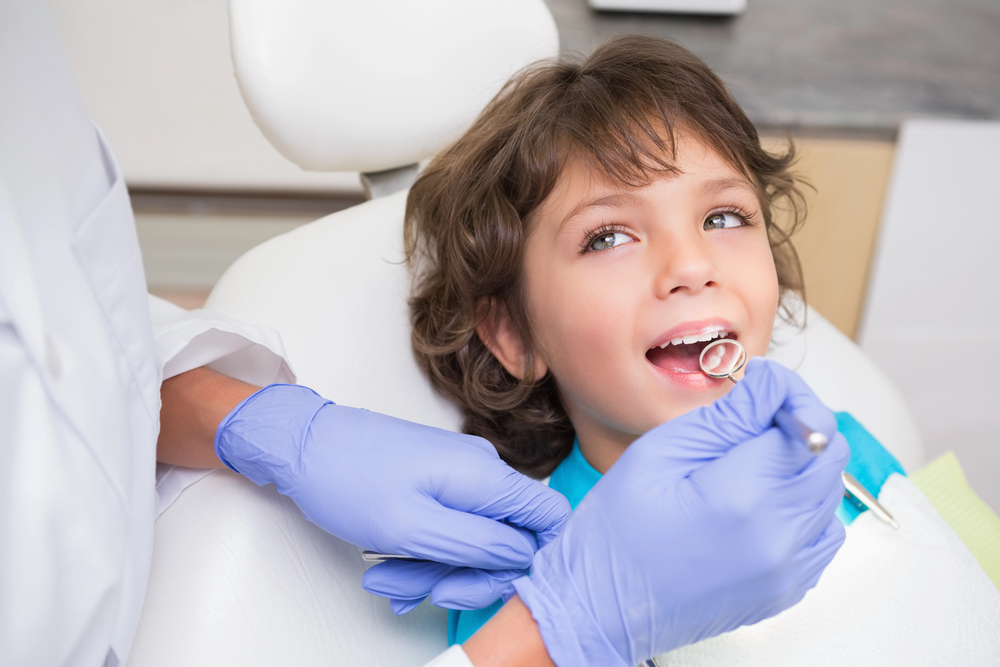
Dental anxiety often stems from the unknown or from hearing adults discuss their own negative experiences. To ensure your child feels comfortable, start dental visits early—ideally by their first birthday. These ‘happy visits’ allow the child to get used to the sounds and sights of a clinic without the pressure of a specific treatment. Using positive language and avoiding words like ‘pain’ or ‘needle’ helps set a neutral tone. Modern paediatric environments are designed to be welcoming, often featuring bright colours or entertainment to keep little minds occupied. When parents project a sense of calm and importance regarding these check-ups, children are far more likely to view the dentist as a friendly ally in their health journey.
Long-Term Oral Wellness
Maintaining a focus on preventative care reduces the likelihood of emergencies and fosters a sense of responsibility in the child for their own body. Regular six-monthly check-ups allow for professional cleans and the application of fissure sealants if necessary, which act as protective barriers on the chewing surfaces of permanent molars. By being diligent now, you are preventing future orthodontic complications and promoting overall systemic health. Educating yourself on the importance of early childhood dental care is the first step in ensuring your family stays on the right path toward lasting oral wellness.