
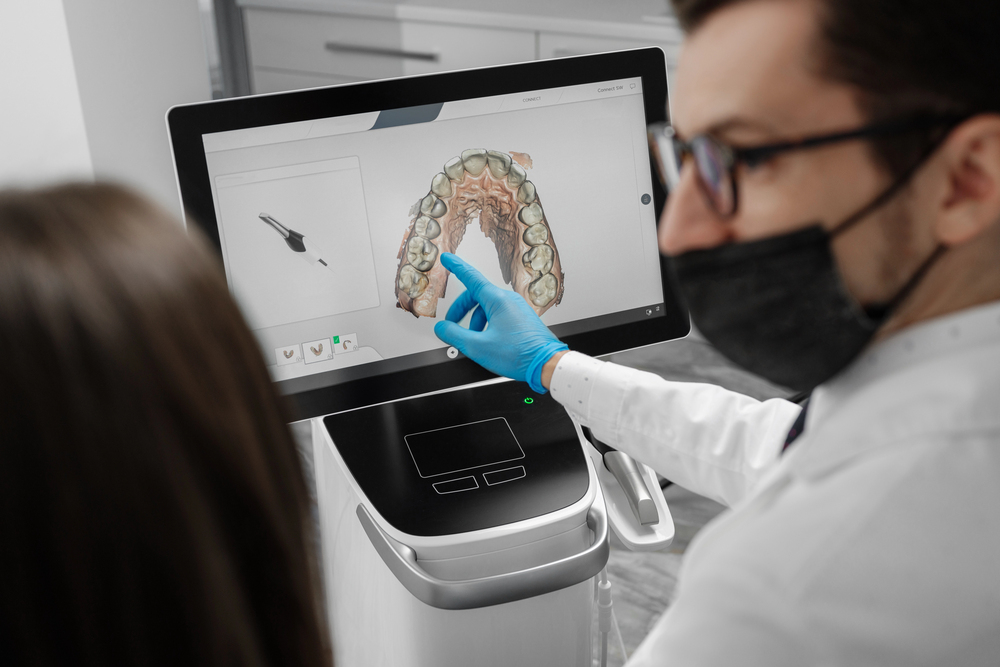
The landscape of modern oral healthcare has undergone a profound transformation, moving away from the era of messy putty impressions and guesswork. Today, Australian clinics are at the forefront of a digital revolution, integrating sophisticated hardware and intelligent software to enhance patient outcomes. This shift is not merely about replacing old tools; it is about a fundamental change in how clinicians perceive, diagnose, and treat dental conditions. By moving into a fully digital workflow, the industry has managed to bridge the gap between clinical necessity and aesthetic desire, ensuring that every procedure is as efficient as it is effective.
The Rise of Precision Diagnostics and AI
One of the most significant leaps in recent years is the widespread adoption of Artificial Intelligence (AI) and high-resolution 3D imaging. Traditional 2D X-rays, while still useful, are increasingly being supplemented or replaced by Cone Beam Computed Tomography (CBCT) and intraoral scanners. These tools allow dentists to view the mouth in three dimensions, revealing hidden infections, bone density issues, and structural nuances that were previously invisible.
AI algorithms now assist practitioners by scanning these digital images for the earliest signs of decay or periodontal disease. This “second pair of eyes” reduces the margin for human error and allows for proactive interventions. When diagnostics are this precise, the need for invasive “exploratory” work is virtually eliminated, leading to a much more comfortable experience for the patient.
Personalised Aesthetics and Digital Planning
In the realm of cosmetic dentistry, the focus has shifted from generic “Hollywood” smiles to results that are authentically tailored to the individual. Modern practitioners now utilise personalised treatment planning with digital smile design tools to create a blueprint for a patient’s new look before any physical work begins. This process involves high-definition photography and 3D scanning to map the patient’s facial proportions, lip line, and gingival architecture.
This digital-first approach serves two primary purposes. First, it acts as a powerful communication tool, allowing patients to see a virtual “preview” of their results and provide feedback. Second, it serves as a precise technical guide for the fabrication of restorations. Whether it is a single crown or a full-arch rehabilitation, the digital plan ensures that the final result harmonises perfectly with the patient’s natural features.
3D Printing and Same-Day Restorations
The speed of modern dentistry has been accelerated by the arrival of chairside milling and 3D printing. In the past, a patient requiring a crown or bridge would have to wear a temporary restoration for several weeks while a dental laboratory fabricated the final piece. Today, many Australian practices have brought the laboratory into the clinic.
Once a tooth is prepared and scanned, the data is sent to an in-office milling machine or 3D printer. Within an hour, a high-strength ceramic or resin restoration is ready to be bonded. This “same-day dentistry” not only saves the patient multiple trips to the clinic but also ensures a superior fit, as the digital data does not suffer from the minor distortions often found in traditional physical moulds.
Minimally Invasive Techniques and Guided Surgery
Digital technology has also made surgical procedures, such as dental implant placement, significantly safer and less invasive. Using “guided surgery,” dentists can virtually place an implant on a computer screen using the patient’s 3D bone scans. A custom surgical guide is then 3D-printed to fit over the patient’s teeth during the actual procedure, directing the drill with sub-millimetre accuracy.
This level of planning reduces surgery time, minimises trauma to the surrounding tissue, and leads to faster healing. Similar precision is applied to the world of porcelain veneers. By combining the precision of technology with advanced material science, dentists can now offer ultra-thin veneers that require little to no removal of the natural tooth enamel, preserving the structural integrity of the tooth while achieving a flawless aesthetic result.