
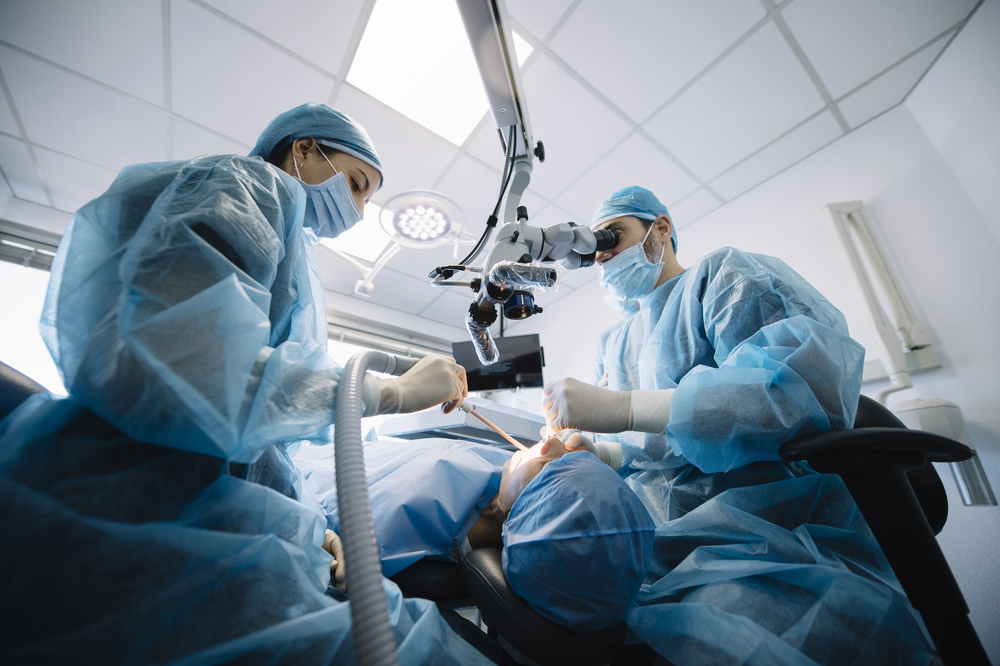
An acute dental crisis can occur at any moment, turning a normal day into a frantic search for relief. Unlike typical medical issues that can occasionally be managed with rest and over-the-counter medication, oral emergencies frequently involve severe pain, structural damage, or rapidly spreading infections that require immediate attention. Understanding how to categorise these events, execute proper first-aid protocols, and implement preventative measures is essential for protecting your long-term oral health and minimising permanent damage to your teeth and gums.
Recognising an Oral Crisis
Not every case of oral discomfort qualifies as a genuine emergency. Knowing the difference between an issue that can wait for a regular clinic appointment and one that needs immediate triage ensures that clinical resources are used effectively. True emergencies usually fall into two main categories: structural trauma and acute infection. Each requires a distinct diagnostic approach and timeline.
Structural injuries include fractured, loosened, or completely knocked-out teeth, which often happen during sports, workplace accidents, or accidental falls. On the other hand, infectious emergencies involve severe, throbbing pain, visible swelling in the jaw or face, and systemic symptoms like a fever. These warning signs mean an infection has broken through the tooth’s hard protective layers and entered the soft inner pulp or surrounding bone, creating a time-sensitive medical situation.
Immediate Response Protocols
When an oral injury occurs, the actions taken in the first thirty to sixty minutes heavily influence whether a tooth can be saved. If a permanent tooth is completely knocked out (avulsed), it must be handled only by the crown, never by the root, to protect the delicate periodontal ligament cells. Gently rinse the tooth with milk or saline if it is dirty, and try to re-implant it directly back into the socket. If that is not possible, submerge the tooth in a container of milk or the patient’s saliva to keep the root alive while travelling to a clinic.
For severe fractures or sudden, intense toothaches, rinse the mouth with warm salt water to clean the area and reduce local bacteria. Cold compresses applied to the outside of the cheek can help minimise swelling and numb the pain. Managing incidents involving dental trauma may improve outcomes when an emergency dentist is involved, as specialized practitioners have the specific diagnostic tools and equipment needed to stabilise loose teeth and treat damaged pulp tissues immediately.
Prevention and Risk Mitigation
While some accidents are completely unavoidable, a significant percentage of urgent dental visits can be prevented with proactive habits and protective gear. Fractures and structural injuries related to sports can be reduced by wearing a professionally fitted, custom mouthguard during both contact and non-contact athletic activities. These appliances absorb and distribute impact forces, protecting the teeth, lips, and jawbone from direct trauma far better than over-the-counter options.
Similarly, infectious emergencies are rarely completely sudden; they are usually the result of long-standing, untreated decay or gum disease. Over time, minor cavities can break through the enamel and dentin layers, eventually reaching the pulp cavity. Maintaining a strict oral hygiene routine—brushing twice a day with fluoridated toothpaste, flossing daily, and attending bi-annual dental check-ups—allows clinicians to catch and treat minor decay before it turns into a painful, deep-seated abscess.
Principles of Professional Emergency Care
When you arrive at an emergency clinic, the focus shifts to pain management, halting infection, and saving as much natural tooth structure as possible. Practitioners use digital radiographs to assess damage beneath the gumline, checking for root fractures or bone loss. Treatment can range from protective bonding for minor chips to emergency root canal therapy for exposed nerves, or even splinting to secure loose teeth while the surrounding bone heals.
Emergency clinicians focus heavily on triage, prioritising cases based on pain severity, infection risk, and the window of time available to save a tooth. While general dentists are fully qualified to handle a wide range of urgent issues, navigating complex facial trauma, severe swelling, or surgical extractions often requires deep expertise. Many practitioners pursue specialized education and training to refine their skills in oral surgery, advanced pain management, and rapid crisis intervention, ensuring patients receive precise and efficient care during highly stressful medical situations.