

Oral Health Essentials: Daily Care Strategies Backed by Dental Experts
Maintaining a healthy smile involves more than just an occasional check-up; it requires a disciplined daily routine and an understanding of the biological factors that influence oral hygiene. Dental experts agree that preventative care is the most effective way to avoid painful conditions and costly procedures later in life. By implementing scientifically backed strategies into your morning and evening rituals, you can preserve your enamel, protect your gums, and ensure your breath remains fresh throughout the day.
The Foundation of Effective Brushing
While most people brush their teeth twice a day, the technique used often dictates the level of protection achieved. Experts recommend the Modified Bass technique, which involves angling the toothbrush at 45 degrees toward the gum line. This specific angle allows the bristles to reach the sulcus—the small space between the tooth and the gum—where plaque tends to accumulate and harden into tartar. Using a soft-bristled brush is essential to prevent abrasion of the enamel and recession of the delicate gingival tissue.
It is also crucial to resist the urge to rinse your mouth with water immediately after brushing. Fluoride, a key mineral in toothpaste, requires time to bond with the tooth surface to remineralise weakened areas. By simply spitting out the excess paste and avoiding liquids for at least thirty minutes, you allow the fluoride to provide maximum protection against acid attacks from food and beverages.
Interdental Cleaning and Plaque Management
Brushing only cleans about sixty per cent of the tooth’s surface. The remaining forty per cent lies in the tight spaces between teeth, where a standard toothbrush cannot reach. These interdental zones are prime breeding grounds for anaerobic bacteria, which are responsible for both tooth decay and periodontal disease. Whether you prefer traditional floss, interdental brushes, or water flossers, the goal is to mechanically disrupt the biofilm every twenty-four hours.
Consistency in interdental cleaning prevents the inflammation of the gums, known as gingivitis. If left unchecked, this inflammation can progress to periodontitis, a more severe condition that affects the bone supporting the teeth. Modern dentistry emphasises that gum health is inextricably linked to systemic health, with research suggesting correlations between periodontal inflammation and heart disease or diabetes.
Professional Intervention and Maintenance
Daily habits are the first line of defence, but professional oversight remains irreplaceable. Even with meticulous care, mineralised deposits can form in hard-to-reach areas. Regular visits to a clinic ensure that these deposits are professionally removed before they cause permanent damage. For those seeking a higher standard of preventative care, accessing comprehensive dental services delivered by exceptional dentists allows for early detection of issues like micro-cavities or oral lesions that might be invisible to the untrained eye.
These professional consultations also provide an opportunity for personalised advice. Every individual has a unique oral microbiome and different risk factors based on genetics and lifestyle. A tailored hygiene plan created by a professional can address specific concerns, such as tooth sensitivity or the early signs of enamel erosion, ensuring that your daily efforts are as effective as possible.
The Impact of Nutrition and Hydration
What you eat and drink plays a direct role in the pH balance of your mouth. Frequent consumption of sugary or acidic snacks keeps the mouth in a state of “acid attack,” where the enamel is constantly being softened. Saliva is the body’s natural defence, acting as a buffer to neutralise these acids and wash away food particles. Drinking plenty of water throughout the day, especially after meals, supports saliva production and helps maintain a neutral environment.
Furthermore, certain dietary choices can influence the scent of your breath and the bacterial balance in your oral cavity. While garlic and onions are well-known culprits, many other foods contribute to bad breath by altering the chemical composition of your saliva or providing fuel for odour-producing bacteria. Balancing these choices with crunchy, high-fibre vegetables like carrots and celery can help “scrub” the teeth naturally and stimulate saliva flow, contributing to a cleaner, healthier mouth between brushings.
Advanced Root Canal Treatment: How Modern Technology Is Changing the Patient Experience
For many patients, the mere mention of a root canal evokes a sense of trepidation rooted in outdated dental myths. However, the landscape of endodontics has undergone a seismic shift over the last decade. Today, advanced root canal treatment is a sophisticated, highly predictable, and virtually painless process. By integrating cutting-edge diagnostics and precision tools, modern dentistry has transformed a once-feared procedure into a streamlined experience that prioritises both clinical success and patient comfort.
Precision Diagnostics with 3D Imaging
The evolution of the patient experience begins long before the treatment starts. Traditionally, dentists relied on 2D X-rays, which often hidden complex anatomical structures or secondary canals. The introduction of Cone Beam Computed Tomography (CBCT) has revolutionised this stage. CBCT provides a three-dimensional view of the tooth, roots, and surrounding bone tissue. This level of detail allows clinicians to map the internal architecture of the tooth with surgical precision, reducing the risk of oversight and ensuring the infection is addressed at its source. For the patient, this means fewer surprises during the procedure and a significantly higher success rate.
Enhanced Visualisation via Operating Microscopes
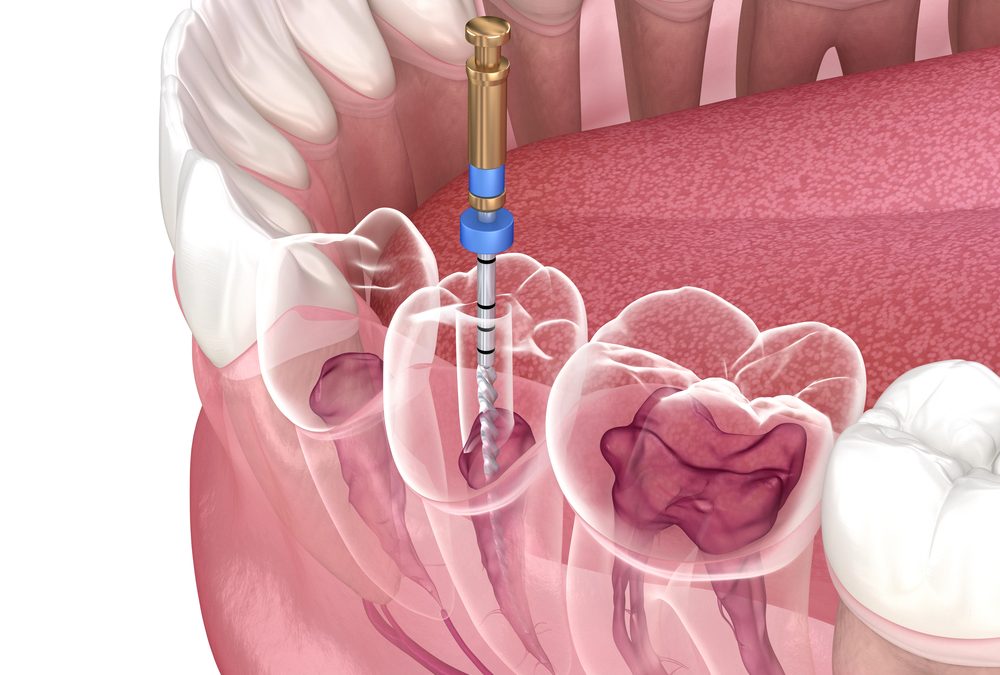
One of the most impactful technological advancements in endodontics is the use of the Dental Operating Microscope (DOM). In the past, dentists worked primarily by feel and limited line-of-sight. Modern clinics now utilise high-magnification microscopes equipped with powerful LED lighting. This technology allows the practitioner to see deep into the root canal system, identifying minute fractures or extra canals that are invisible to the naked eye. Because the dentist can see exactly what they are doing, the treatment is more conservative; less of the natural tooth structure needs to be removed, which preserves the overall integrity and strength of the tooth for the long term.
Robotic Instrumentation and Improved Safety
Modern endodontics has moved away from manual stainless-steel files to flexible, engine-driven nickel-titanium (NiTi) instruments. These “smart” tools are designed to follow the natural curves of the root canal without the risk of breaking or perforating the tooth wall. Furthermore, apex locators—electronic devices that measure the exact length of the root—allow for pinpoint accuracy. This is a critical component of how dentists ensure safe root canal treatment procedures today. By combining digital measurements with flexible instrumentation, the risk of post-operative complications is minimised, and the time spent in the dental chair is greatly reduced.
Laser-Assisted Disinfection
The primary goal of a root canal is the total elimination of bacteria from within the tooth. While traditional chemical rinses are effective, they often cannot reach the microscopic lateral canals where bacteria hide. Enter the dental laser. Laser-assisted endodontics uses light energy and acoustic waves to “blast” away biofilm and bacteria throughout the entire root system. This method is incredibly thorough and often results in less inflammation following the procedure. For the patient, this translates to a faster recovery period and a more comfortable healing process, as the laser is minimally invasive compared to older mechanical cleaning methods.
Single-Visit Efficiency and Comfort
In the past, root canal therapy often required multiple appointments, leaving the patient with a temporary filling and a lingering sense of “unfinished business.” Thanks to the speed and efficiency of modern rotary tools and digital imaging, most treatments can now be completed in a single visit. This is a major benefit for busy Australians who value their time. Additionally, advancements in local anaesthetics and sedation techniques ensure that the patient remains entirely comfortable. Modern anaesthesia is more localised and faster-acting, eliminating the “numb face” sensation that used to last for hours after the appointment.
The Future of Tooth Retention
We are currently entering an era where the focus is shifting from simply “filling” a tooth to actually restoring its biological vitality. The industry is seeing a move toward more holistic and biological approaches, including the use of regenerative technology which aims to repair damaged tissues rather than just replacing them with synthetic materials. This evolving science suggests a future where root canals might not just save a tooth’s structure, but potentially restore its internal living pulp. By embracing these sustainable and regenerative practices, modern dentistry ensures that patients can keep their natural smiles for a lifetime, backed by science that prioritises long-term health and minimal intervention. As these technologies continue to mature, the gap between “artificial repair” and “biological restoration” continues to close, offering a brighter outlook for dental health across Australia.
Designing Your Perfect Smile: How Digital Smile Technology Personalizes Results
For decades, the path to a Hollywood smile was often a journey into the unknown. Patients would describe their goals, and dentists would do their best to translate those desires into physical restorations, but the final reveal was frequently met with a mix of anticipation and anxiety. Today, that uncertainty is being replaced by precision and predictability. The advent of Digital Smile Design (DSD) has transformed cosmetic dentistry from a reactive process into a collaborative, architectural masterclass, ensuring that every enhancement is uniquely tailored to the individual.
The Shift Toward Facial Harmony
The primary philosophy behind modern digital technology is the shift from “tooth-centric” to “face-centric” planning. In the past, dental restorations were often designed in isolation, focusing solely on the shape and whiteness of the teeth. This occasionally led to results that, while technically perfect, looked artificial or mismatched with the patient’s facial features.
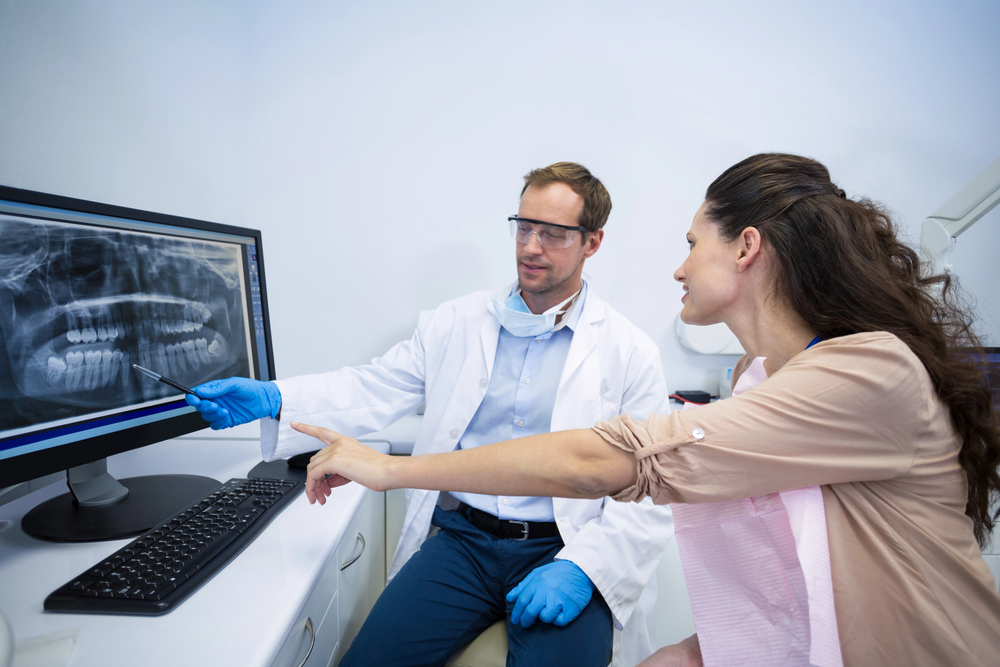
Digital smile technology utilizes high-resolution 3D imagery and videography to analyze how the teeth interact with the lips, gums, and cheeks during movement. By capturing the face in motion—laughing, speaking, and smiling naturally—practitioners can create a restorative plan that complements the patient’s unique bone structure and skin tone. This level of personalization ensures that the final result does not just look like a set of new teeth, but like an organic part of the person’s identity.
Virtual Visualization and the Mock-Up Phase
One of the most significant breakthroughs in this field is the ability for patients to “test drive” their smile before any permanent work begins. Once the digital scans are captured, specialized software creates a 3D model of the proposed changes. This isn’t just a static image on a screen; it is often translated into a physical “wax-up” or a temporary resin mock-up that can be placed over the patient’s existing teeth.
This tangible phase allows the patient to see the length, shape, and alignment of their future smile in real-time. It fosters a collaborative environment where the patient becomes a co-designer. If a tooth feels too long or the arch seems too wide, adjustments can be made digitally and physically until the design is perfected. This eliminates the “buyer’s remorse” that once haunted cosmetic procedures, providing total peace of mind.
Precision Engineering and Minimally Invasive Techniques
Beyond aesthetics, digital technology enhances the clinical accuracy of dental work. Because the design is mapped out with sub-millimeter precision, dentists can be far more conservative in their approach. Traditional methods often required more significant removal of natural tooth enamel to accommodate veneers or crowns. With digital planning, the dentist knows exactly where material needs to be added or subtracted, often allowing for “prepless” or minimally invasive options.
Furthermore, the integration of CAD/CAM (Computer-Aided Design and Manufacturing) means that the final restorations are milled or 3D-printed directly from the approved digital blueprint. This ensures that the final porcelain veneers or crowns are an exact replica of the mock-up the patient approved, leaving no room for human error in the laboratory transition.
Seamless Integration with Modern Trends
The rise of this technology coincides with a broader shift in patient expectations. We are seeing a significant rise in cosmetic dentistry trends embracing digital smile design nationwide, as Australians increasingly seek treatments that offer both functional longevity and aesthetic excellence. People are no longer looking for “one size fits all” solutions; they want a smile that reflects their personality while maintaining the health of their underlying dental structure.
Digital tools have also streamlined the timeline of these procedures. What used to take months of back-and-forth between the clinic and the lab can now often be condensed into a few appointments. The efficiency of digital workflows means less time in the chair and more time enjoying the results.
The Holistic Connection to Wellbeing
Choosing to enhance one’s smile is rarely just about vanity; it is an investment in self-confidence and overall health. When a smile is designed to function correctly within the bite, it reduces the risk of jaw pain, tooth wear, and even digestive issues. Many practitioners are now focusing on how dental health intersects with general wellness. For instance, a premier dental spa is known for its holistic approach to dental care, emphasizing that a beautiful smile is the byproduct of a healthy, balanced body.
By merging the artistic eye of the clinician with the raw data of digital imaging, the dental industry has entered a new era of bespoke care. Digital Smile Design has effectively removed the guesswork, allowing patients to step into their future with a smile that is not only perfect on paper but perfect for their unique life. As these technologies continue to evolve, the boundary between nature and artifice will continue to blur, making the perfect, personalized smile accessible to everyone.

Stronger Teeth, Better Health: Melbourne’s Dental Care Approach
Maintaining strong teeth is more than just an aesthetic goal—it’s a cornerstone of overall health. In Melbourne, dental care has evolved to prioritize both preventive and restorative practices, ensuring residents not only enjoy brighter smiles but also reduce risks associated with systemic conditions like heart disease and diabetes. Modern dentistry emphasizes a holistic approach, addressing oral health as an integral part of overall well-being rather than treating it in isolation.
One of the foundational elements of this approach is consistent preventive care. Regular dental check-ups help identify potential issues early, from cavities to gum disease, before they escalate into more serious problems. This proactive strategy reduces the need for invasive treatments and promotes long-term dental stability. Beyond the basics of brushing and flossing, Melbourne dentists increasingly incorporate advanced technologies such as digital imaging and laser treatments, allowing for precise diagnoses and minimally invasive procedures.
Diet and lifestyle choices also play a significant role in dental health. Foods high in sugar and acidic beverages contribute to enamel erosion and tooth decay, while adequate hydration and a nutrient-rich diet strengthen teeth and gums. Melbourne dental clinics often provide personalized dietary guidance alongside traditional treatments, recognizing the synergy between nutrition and oral wellness.
Fluoride treatments and dental sealants are among the preventive tools widely used across Melbourne. Fluoride strengthens tooth enamel, making it more resistant to decay, while sealants protect vulnerable molars from cavities. Regular professional cleanings complement these measures, removing plaque and tartar that daily brushing cannot fully address. This multi-layered approach ensures teeth remain resilient against decay and disease.
For individuals dealing with existing dental challenges, restorative options have advanced significantly. Modern fillings, crowns, and bridges are designed not only for durability but also to maintain natural aesthetics. Dental implants provide a long-term solution for missing teeth, restoring both function and confidence. In Melbourne, the integration of cosmetic and restorative dentistry allows patients to achieve smiles that are healthy, functional, and visually appealing.
Another critical focus in Melbourne’s dental landscape is patient education. Clinics emphasize teaching proper brushing, flossing techniques, and the importance of regular oral hygiene routines. Early intervention and education, especially in children, prevent long-term issues and foster a culture of proactive oral health. Parents are encouraged to instill good habits, from the first tooth, promoting lifelong dental wellness.
For those seeking professional guidance, connecting with trusted local dentists in Melbourne area provides access to comprehensive care tailored to individual needs. These dental professionals combine clinical expertise with modern technology to ensure treatments are effective, comfortable, and aligned with each patient’s lifestyle.
Beyond individual benefits, strong teeth and healthy gums contribute to overall systemic health. Poor oral hygiene has been linked to cardiovascular disease, diabetes complications, and respiratory infections. Regular dental visits and consistent home care reduce these risks, reinforcing the idea that oral health is inseparable from general health.
Innovative practices in Melbourne also extend to orthodontics and preventative care for adolescents and adults alike. Correcting misaligned teeth not only improves aesthetics but also enhances oral functionality, reduces wear on teeth, and supports proper digestion. Preventive orthodontic assessments help identify potential issues early, minimizing the need for extensive corrective procedures later in life.
Mental health and self-confidence are often overlooked aspects of oral care. Individuals with strong, healthy teeth are more likely to engage socially and professionally without hesitation. The psychological impact of a bright smile underscores the broader benefits of investing in dental health.
Melbourne’s dental care philosophy is a balance of prevention, treatment, and education, all underpinned by patient-centered practices. From advanced restorative solutions to routine check-ups, the city’s clinics exemplify how consistent oral care contributes to overall wellness. Embracing this comprehensive approach ensures not only stronger teeth but also improved quality of life.
For more information on the importance of oral health, resources are available that detail how proactive dental care supports broader health outcomes and enhances everyday life.

Why Australian Dental Clinics Are Investing in Sleep Dentistry for Anxious Patients
Dental anxiety has long been one of the most significant barriers preventing Australians from seeking regular oral care. For many, fear of pain, loss of control, or past negative experiences can make even routine check-ups feel overwhelming. As awareness of this issue grows, dental clinics across Australia are shifting their approach, investing in advanced solutions that prioritise comfort and emotional wellbeing alongside clinical excellence.
Sleep dentistry has emerged as a powerful response to this challenge. Rather than treating anxiety as an afterthought, clinics are integrating sedation options into their core services. This approach allows patients to undergo dental procedures in a deeply relaxed state, reducing distress and improving their overall experience. The result is a model of care that supports both patients and practitioners, making treatment more accessible and efficient.
A key reason why sleep dentistry is growing in Australian dental clinics is the increasing recognition of dental anxiety as a genuine healthcare issue. Research shows that dental fear can trigger physical stress responses, including increased heart rate and blood pressure, which can complicate treatment. Sedation dentistry helps minimise these reactions, allowing dentists to work more smoothly while ensuring patient safety and comfort.
From a clinical perspective, sleep dentistry also enables more complex procedures to be completed in fewer appointments. When patients are calm and relaxed, dentists can focus fully on delivering precise, high-quality care without frequent interruptions or distress-related delays. This efficiency benefits everyone involved, reducing treatment times and improving outcomes.
Australia’s changing demographics have further accelerated the adoption of sleep dentistry. An ageing population means more patients require extensive restorative or surgical dental work. These procedures can be physically demanding and emotionally taxing, particularly for individuals with heightened sensitivity or underlying health concerns. Sedation provides a controlled environment in which longer or more involved treatments can be performed with minimal strain on the patient.
Parents are also increasingly seeking sleep dentistry for children who struggle with dental fear. Early dental experiences play a crucial role in shaping lifelong attitudes toward oral health. For children who experience intense anxiety or sensory sensitivities, sedation can prevent traumatic encounters that might otherwise lead to long-term avoidance of dental care. By addressing fear early, clinics help foster healthier relationships with dentistry that extend into adulthood.
The rise of sleep dentistry also reflects broader shifts within the dental profession itself. Australian dental associations and training institutions now place greater emphasis on patient-centred care. Continuing education programs focus on safe sedation techniques, patient assessment, and emergency preparedness, ensuring that clinics offering these services meet rigorous professional standards. This structured approach has helped build trust in sleep dentistry among both practitioners and the public.
Technology has played a supporting role in this growth as well. Advances in monitoring equipment and sedation medications have made sleep dentistry safer and more predictable than ever before. Clinics can closely track vital signs throughout procedures, allowing for precise adjustments and rapid response if needed. These improvements have significantly reduced risks and expanded the range of patients who can safely benefit from sedation.
From a business standpoint, offering sleep dentistry allows clinics to differentiate themselves in a competitive market. Patients today are more informed and proactive, often researching comfort-focused options before choosing a provider. Clinics that invest in sedation services signal a commitment to compassionate care, which can strengthen patient loyalty and attract individuals who may have avoided dental treatment for years.
While sleep dentistry requires additional training, certification, and equipment, many clinics view this investment as essential rather than optional. By removing fear-related barriers, dentists can help patients maintain consistent oral health routines, leading to earlier intervention, fewer emergencies, and better long-term outcomes.
Ultimately, the growth of sleep dentistry represents a meaningful evolution in Australian dental care. It acknowledges that oral health is deeply connected to emotional wellbeing and that addressing anxiety is key to improving access and results. For individuals seeking support and information tailored specifically to patients with dental anxiety, sleep dentistry continues to offer a practical and compassionate pathway to stress-free treatment.

Sleep Dentistry in Australia: A Modern Solution for Severe Dental Anxiety
For many Australians, visiting the dentist is not just uncomfortable — it can be genuinely distressing. Severe dental anxiety affects a significant portion of the population, often leading people to delay or completely avoid essential dental care. Over time, this avoidance can result in worsening oral health issues, including advanced decay, gum disease, infections, and tooth loss. As awareness of dental anxiety grows, sleep dentistry has emerged as a modern, compassionate solution that allows patients to receive treatment without fear or trauma.
Sleep dentistry, also known as sedation dentistry, uses carefully administered medications to help patients relax or sleep during dental procedures. Depending on the patient’s needs, sedation can range from mild relaxation to deeper levels that allow complex procedures to be completed while the patient remains unaware of the treatment. This approach has become increasingly popular across Australia, particularly for individuals with severe anxiety, sensitive gag reflexes, or past traumatic dental experiences.
The broader impact on oral health outcomes is significant. When anxious patients can access care comfortably, overall treatment success rates improve. Dental issues are addressed earlier, complications are reduced, and long-term oral health is easier to maintain. These improvements highlight how sleep dentistry improves dental outcomes in Australia, not just for individuals but for the healthcare system as a whole, by reducing emergency visits and the need for extensive corrective procedures.
One of the most significant benefits of sleep dentistry is its ability to remove psychological barriers to care. When fear is no longer a dominant factor, patients are far more likely to attend regular dental appointments. This shift allows dentists to identify problems early, when they are easier and less invasive to treat. Preventative care, such as routine cleanings and examinations, becomes accessible again, reducing the likelihood of emergencies and extensive restorative work later on.
Sedation dentistry also improves the efficiency and quality of dental treatments. When patients are deeply relaxed, dentists can work with greater precision and fewer interruptions. Procedures that might otherwise require multiple visits can often be completed in a single session under sedation. This is particularly beneficial for complex treatments such as extractions, implants, root canal therapy, and full-mouth restorations. Fewer appointments mean less stress for patients and more predictable outcomes for clinicians.
From a safety perspective, sleep dentistry in Australia is delivered under strict professional guidelines. Dentists who provide sedation are specially trained, and patients are carefully assessed beforehand to ensure the most appropriate level of sedation is used. Vital signs are continuously monitored throughout the procedure, and recovery protocols are in place to ensure patient wellbeing after treatment. These safeguards allow anxious patients to feel confident that they are receiving care that prioritises both comfort and safety.
Beyond the physical benefits, sleep dentistry plays a crucial role in restoring trust between patients and dental professionals. Many individuals with dental anxiety carry feelings of embarrassment or guilt about the condition of their teeth. Sedation allows them to undergo treatment without judgment or distress, creating a more positive association with dental care. Over time, this can reduce anxiety levels and encourage healthier oral hygiene habits at home.
As dental technology and patient-centred care continue to evolve, sleep dentistry represents a shift toward inclusivity in oral healthcare. It recognises that fear is a legitimate medical concern and that addressing it directly leads to better health outcomes. For Australians who have long avoided the dentist due to anxiety, sedation dentistry offers a pathway back to consistent, effective, and stress-free dental care.
For people who are anxious about going to the dentist, learning more about sedation dentistry and how it helps patients truly relax in the dental chair can be an important step toward overcoming fear and reclaiming oral health.

The Future of Sydney Dental Care: Innovations Transforming Modern Dentistry
Advances in dental technology are reshaping how oral health is managed, making treatments more precise, efficient, and patient-friendly than ever before. Across Australia’s largest cities, practices are integrating digital solutions that enhance diagnostics, treatment planning, and preventive care. From 3D imaging to AI-assisted diagnostics, the landscape of dental care is being reimagined. These improvements are contributing to better outcomes and greater comfort for patients, while also empowering practitioners with tools that were once the domain of science fiction.
One area leading the charge is the proliferation of modern dental clinics in North Sydney using digital dentistry to streamline everything from patient records to surgical procedures. These clinics are adopting sophisticated intraoral scanners, digital X-rays, and computer-aided design and manufacturing (CAD/CAM) systems that significantly reduce treatment time and improve accuracy. For patients, this means fewer appointments, less invasive procedures, and quicker turnaround times on restorations like crowns and bridges. For clinicians, it means access to data-rich visuals and analytic tools that support more informed decision-making.
Digital Dentistry: Changing the Patient Experience
Traditional dental impressions often involved uncomfortable trays and putty that many patients found unpleasant. Digital intraoral scanners have replaced this process in many practices, capturing detailed 3D images of a patient’s mouth in minutes without the mess or gagging reflex. These scans not only enhance patient comfort but also increase the accuracy of prosthetic fittings and orthodontic planning. This level of precision leads to better fitting crowns, veneers, and aligners, reducing the need for adjustments and remakes.
Furthermore, digital imaging systems have revolutionized diagnostics. High-resolution digital X-rays expose patients to significantly less radiation than traditional film and can be viewed instantly on a monitor. Advanced cone-beam computed tomography (CBCT) takes this a step further, providing 3D representations of dental structures, soft tissues, nerve paths, and bone in a single scan. This comprehensive view is invaluable when planning complex procedures such as dental implant placement or assessing trauma cases.
AI and Machine Learning in Diagnostics
Artificial intelligence (AI) is another frontier in dental innovation. Machine learning algorithms are being trained to recognize patterns in imaging that may signify early stages of decay, periodontal disease, or other pathologies. These tools can act as a second set of eyes for clinicians, flagging potential issues that may be subtle or easily overlooked. Early detection is often critical for preserving oral health and avoiding more extensive (and expensive) treatments down the line.
AI-powered scheduling and administrative software are also improving the efficiency of dental practices. Automated appointment reminders, smart scheduling that minimizes gaps in the diary, and digital patient intake forms reduce the administrative burden on staff and enhance the patient experience by cutting down wait times and streamlining check-in processes.
Robotics and Guided Surgery
While still emerging, robotic systems and guided surgery tools are beginning to influence clinical practice. In implantology, for example, surgical guides created from digital scans ensure that implants are placed with sub-millimeter accuracy according to preoperative planning. This precision reduces surgical risks, shortens recovery times, and enhances long-term success rates.
In the realm of orthodontics, robotic wire-bending technology allows for the creation of customized archwires tailored to an individual’s treatment plan. Such bespoke components can improve the efficiency of teeth-straightening procedures, helping patients achieve their desired outcomes faster and with fewer adjustments.
Tele-Dentistry and Remote Monitoring
The recent global health challenges accelerated the adoption of tele-health services, and dentistry has not been left behind. Tele-dentistry platforms now allow patients to consult with dental professionals remotely for triage, post-operative follow-ups, or guidance on acute issues. For individuals in remote areas or with limited mobility, this can be a game-changer, bringing expert advice into the home.
Remote monitoring tools are also gaining traction. Patients undergoing orthodontic treatment with clear aligners, for example, can upload photos or videos of their progress at regular intervals. Clinicians can assess movement and provide feedback without requiring in-office visits for every check-in. This model not only saves time for patients but also allows practices to allocate in-person appointments more effectively.
Laser Dentistry and Minimally Invasive Techniques
Laser technology is being used in a growing number of dental procedures, offering benefits such as reduced bleeding, minimized discomfort, and faster healing. Dental lasers can be used for soft tissue procedures, managing gum disease, and even in certain restorative applications. These tools help dentists perform tasks that once required scalpels and sutures with greater precision and less trauma to surrounding tissues.
Minimally invasive approaches are also being supported by new materials and techniques in restorative dentistry. Adhesive materials and bioactive compounds that bond more effectively with natural tooth structures help preserve more of the original tooth during restorations. Combined with enhanced imaging and preparation tools, these materials contribute to long-lasting, aesthetically pleasing outcomes with minimal disruption to oral tissues.
Enhancing Preventive Care with Data
Preventive dentistry continues to be a focal point of modern oral care. Innovations in data analytics and wearable technologies are beginning to offer insights into patient habits that affect oral health. Smart toothbrushes and apps that track brushing technique, frequency, and duration can provide personalized feedback, helping individuals improve daily hygiene. Combined with professional cleanings and education, these tools support a proactive approach to oral health that may reduce the incidence of decay and gum disease.
As dental technology continues to evolve, collaboration among clinicians, researchers, and technology developers will be key to maximizing the benefits for patients. From patient comfort and outcomes to operational efficiency, the future of dental care in Sydney and beyond is being shaped by these exciting innovations in oral health technologies. For more on how cutting-edge developments are influencing treatment approaches, explore innovations in dental care at the linked resource.

Build Confidence and Comfort with Sleep Dentistry to Overcome Dental Anxiety
Dental anxiety is far more common than many realize. For some, even the thought of stepping into a clinic brings unease—triggered by past traumatic experiences, the sound of dental instruments, or fear of pain. This anxiety often leads to delayed appointments and neglected oral health, creating a cycle that worsens both dental and emotional well-being. Thankfully, modern dentistry has evolved with a patient-first approach, and one of its most compassionate innovations is sleep dentistry. This technique allows patients to experience treatment in a calm, relaxed, and virtually stress-free state, making oral care accessible even for the most nervous individuals.
Sleep dentistry, also known as sedation dentistry, is a safe and effective way to help patients manage fear and discomfort during procedures. Unlike traditional dental visits, where anxiety might spike before and during treatment, sedation helps to reduce awareness and sensitivity, allowing patients to remain peaceful while their dentist works efficiently. The degree of sedation can range from mild relaxation to deep sleep, depending on the patient’s needs and the complexity of the procedure. What makes it truly transformative is how it allows patients to build a positive association with dental visits—turning fear into trust, and hesitation into confidence.
At its heart, comfort comes first with sleep dentistry. Every element of the experience is designed to reduce stress and promote well-being. For instance, patients with mild anxiety might receive nitrous oxide (laughing gas) to help them feel calm but alert, while those with more intense fears can benefit from intravenous (IV) sedation or general anesthesia, ensuring they remain completely relaxed or asleep throughout the procedure. These methods are administered and monitored by trained professionals, ensuring both safety and comfort from start to finish.
For many, the relief sleep dentistry provides goes beyond the physical. Patients who have avoided care for years often describe a sense of emotional release once they realize how effortless treatment can be. What once seemed overwhelming—like extractions, root canals, or even cosmetic procedures—suddenly becomes manageable. Instead of anxiety, they leave feeling proud and relieved, knowing they’ve taken an important step toward better health and self-confidence.
One of the major advantages of sleep dentistry is its ability to make complex treatments feel shorter and more comfortable. When patients are deeply relaxed, dentists can work more efficiently, often completing multiple procedures in a single visit. This not only saves time but also reduces the number of appointments required, which is a major benefit for those who dread repeated visits. In addition, sedation helps prevent involuntary movements, which can improve precision and outcomes—especially for intricate procedures such as dental implants or restorative treatments.
For patients who struggle with sensitive gag reflexes, low pain tolerance, or dental trauma, sleep dentistry can be life-changing. By removing the immediate physical and emotional barriers, it allows for the rebuilding of trust in dental care. Over time, as patients experience more comfortable visits, their anxiety begins to subside even without sedation. This gradual shift fosters long-term confidence, empowering individuals to take control of their oral health without hesitation.
Clinics that specialize in treating nervous patients often go beyond just sedation. They understand that compassion, communication, and environment play key roles in healing fear. A calm and welcoming atmosphere, gentle staff interactions, and personalized care plans all contribute to creating a safe space where patients feel understood. For many, this combination of empathy and technology becomes the foundation for lasting comfort and confidence.
It’s also worth noting that not all anxiety stems from fear of pain. For some, it’s about control, vulnerability, or embarrassment about the state of their teeth. A good dental team recognizes this and takes time to listen, reassure, and explain every step of the process. When paired with sedation, this understanding approach transforms the dental experience from something to dread into something empowering and even restorative.
If you’ve been putting off dental visits due to fear or anxiety, sleep dentistry offers a pathway back to care—with comfort, compassion, and confidence leading the way. By choosing a dentist experienced in treating nervous patients, you can finally receive the care you need without stress or discomfort. It’s not just about fixing teeth; it’s about restoring trust, peace of mind, and the joy of a healthy smile.
For dental professionals and clinics, integrating sleep dentistry into practice isn’t just about clinical skill—it’s about empathy and patient-centered care. By understanding the emotional side of dentistry, professionals can create experiences that truly support healing and transformation.
To learn more about professional strategies to manage anxious patients and how sleep dentistry can redefine patient care, explore how modern approaches continue to blend science, comfort, and compassion in the dental world.

Digital Smile Design: Advanced Technology for a More Confident, Beautiful You
In today’s world, where first impressions matter more than ever, your smile plays a powerful role in shaping how you present yourself. A confident, radiant smile can enhance your overall appearance, boost self-esteem, and even influence your personal and professional interactions. Thanks to innovations in modern dentistry, achieving that perfect smile no longer depends solely on traditional impressions or guesswork. Digital Smile Design (DSD) has revolutionised the way dentists approach cosmetic and restorative treatments — offering patients a truly personalised and predictable experience.
Digital Smile Design combines digital technology, facial analysis, and dental artistry to plan and visualise a patient’s ideal smile before any treatment begins. This innovative approach allows dentists to study the relationship between teeth, gums, lips, and facial features to create a smile that harmonises perfectly with the patient’s natural characteristics. It’s not just about straightening or whitening teeth — it’s about designing a smile that enhances your entire face, reflecting who you truly are.
Unlike conventional methods where results were largely based on clinical assumptions and static molds, DSD uses 3D imaging, high-resolution photography, and advanced computer software to create a digital preview of your smile. Patients can see exactly what their new smile will look like, understand the steps involved, and provide feedback before any procedures begin. This interactive approach not only improves communication between dentist and patient but also ensures greater accuracy and satisfaction.
Through the use of advanced tools, dentists can ensure treatment accuracy using digital smile design. The technology allows for precise planning, from tooth alignment to gum contours, ensuring that every adjustment supports the patient’s aesthetic and functional needs. Whether you’re considering veneers, crowns, implants, or orthodontic treatments, DSD creates a blueprint for success. Every procedure becomes more efficient, predictable, and customised — reducing the margin for error and enhancing long-term results.
For many people, one of the most rewarding aspects of Digital Smile Design is the ability to visualise transformation before committing to treatment. Imagine sitting with your dentist and seeing your future smile in high-definition 3D. This simulation gives you a sense of control and confidence, knowing exactly what to expect. It’s a collaborative process — patients are empowered to take part in shaping their desired look, ensuring that the final outcome aligns with their goals and personality.
Another advantage of DSD is its holistic approach. The technology doesn’t isolate the teeth from the rest of your face. Instead, it considers proportions, symmetry, and expressions to create balance and natural beauty. The dentist analyses facial movements, speech patterns, and even emotional expressions to craft a smile that feels authentic and harmonious. As a result, patients don’t just get beautiful teeth — they get a smile that truly belongs to them.
This precision-driven technology also enhances communication within the dental team. From the cosmetic dentist to the lab technician, every professional involved in the process can access the same digital model, ensuring consistency and collaboration at every step. The digital workflow streamlines procedures, saving time while maintaining the highest level of accuracy.
Beyond aesthetics, DSD supports functional improvement as well. By analysing bite alignment, jaw position, and muscle balance, dentists can correct structural issues that may cause discomfort or wear. This ensures that your new smile not only looks great but also functions comfortably and sustainably.
For patients with dental anxiety, the clarity and predictability of Digital Smile Design can make a world of difference. The transparency of the process eliminates uncertainty, making every stage of the journey more reassuring. You’ll know what’s coming next — and see how each step brings you closer to your dream smile.
In essence, Digital Smile Design represents a new era in dental care — one that blends science, technology, and artistry. It transforms the traditional dental experience into something creative, interactive, and deeply personal. With this innovation, patients are no longer passive recipients of treatment; they are active participants in designing their own happiness and confidence.
As more people discover the benefits of DSD, it’s clear that modern dentistry is not just about fixing teeth — it’s about transformation. From subtle enhancements to complete smile makeovers, digital innovation empowers individuals to express themselves with authenticity and pride.
And for those curious about how trends in aesthetics and technology continue to influence modern dentistry, many patients are now designing their smiles to match with their personality and lifestyle — embracing Digital Smile Design as the ultimate fusion of beauty, technology, and individuality.

Trusted Family Oral Care in Sunbury for Healthy, Confident Smiles
A bright, confident smile is more than a sign of good oral health—it’s a reflection of care, consistency, and trust. For families in Sunbury, finding a dental team that can cater to every age group with compassion and professionalism is key to lifelong dental wellness. Family dentistry goes beyond treating problems; it’s about prevention, education, and building lasting relationships that make every visit comfortable and reassuring.
When you choose a family dentist, you’re not just selecting a clinic—you’re choosing a partner in your family’s oral health journey. From your child’s very first dental visit to advanced treatments for adults and seniors, family-focused care ensures that everyone receives the attention and expertise they deserve. In Sunbury, dental professionals are combining experience, technology, and a patient-first approach to deliver healthier, more confident smiles for every member of the household.
Comprehensive Care for All Ages
Family oral care means having a single place where the entire family can receive consistent, quality treatment. Whether it’s preventive check-ups, restorative procedures, or cosmetic enhancements, having one trusted provider simplifies dental care and ensures continuity.
Children benefit greatly from early exposure to positive dental experiences. Gentle cleanings, fluoride treatments, and education about brushing and flossing help instill lifelong habits. Teens may require orthodontic assessments or wisdom tooth monitoring, while adults often seek aesthetic or restorative options like whitening, fillings, crowns, or implants. Seniors, on the other hand, can receive specialized care for gum health, dentures, or bone support.
This inclusive approach saves time and builds familiarity. Your dentist understands your family’s dental history, making it easier to detect changes early and tailor care plans that suit each individual’s needs. Over time, this consistency fosters trust and comfort—two essential ingredients for stress-free visits.
Preventive Dentistry: The Heart of Family Care
The foundation of family oral care lies in prevention. Regular dental check-ups and professional cleanings are essential for maintaining healthy teeth and gums while reducing the risk of decay, gum disease, and other oral complications. Dentists consistently emphasize that proactive care is not only more effective but also far more affordable than waiting to treat problems after they arise.
For families seeking reliable and compassionate care, choosing a trusted dental clinic by Sunbury families means partnering with professionals who prioritise comfort, prevention, and confidence in every smile. With a strong focus on quality treatment, education, and trust, your family’s oral health can flourish for generations.
Preventive dentistry also includes protective dental sealants for children, routine X-rays for early detection of potential issues, and patient education on proper nutrition and oral hygiene practices. By identifying and addressing concerns before they escalate, families can enjoy healthier smiles with fewer treatments and less discomfort.
Furthermore, advancements in modern dental technology continue to enhance both the precision and comfort of preventive care. Digital imaging, laser dentistry, and computer-assisted diagnostics allow for minimally invasive procedures that deliver optimal, lasting results—ensuring your family’s dental care is as efficient and comfortable as possible.
Comfort and Trust for Every Visit
Many people experience dental anxiety, especially children or those with previous negative experiences. Family-focused dental clinics in Sunbury prioritize creating a calm, friendly environment that helps reduce fear and encourages regular visits. Dentists and hygienists are trained to explain each step of the process clearly, ensuring patients feel involved and informed.
Some clinics also offer sedation options for patients who need extra reassurance. But beyond technology or medication, genuine empathy and communication often make the biggest difference. The familiarity of seeing the same dentist and staff members each visit builds comfort and confidence—a crucial factor in maintaining lifelong dental health.
The Role of Modern Technology in Family Dentistry
The evolution of dental technology continues to redefine the standard of care. From digital impressions that replace messy molds to same-day restorations made with advanced milling systems, technology has made treatments faster, safer, and more accurate.
AI-assisted imaging now helps detect cavities or gum issues before they become visible to the naked eye, while laser dentistry minimizes discomfort and bleeding during procedures. For families juggling busy schedules, these innovations mean less time in the chair and more time enjoying life with healthier smiles.
Digital record-keeping also ensures seamless tracking of your family’s dental history, allowing dentists to monitor long-term progress and make informed decisions about treatments.
Building Lifelong Oral Health Habits
Strong oral health habits start at home. Dentists often encourage parents to lead by example—brushing and flossing together, maintaining regular dental visits, and promoting balanced diets low in sugar. Family dentists provide valuable tips on choosing age-appropriate dental tools and understanding developmental milestones, such as the eruption of permanent teeth or the need for orthodontic evaluation.
Empowering families with knowledge helps prevent dental problems before they occur and reinforces the importance of consistent care. When dental visits are viewed as routine rather than daunting, children grow up valuing their oral health as an essential part of overall well-being.
In a world where appearances and self-care hold increasing importance, it’s easy to start becoming obsessed with your tooth—but true oral health comes from balance, trust, and the expert guidance of your family dentist in Sunbury.

Stronger Teeth, Fresher Breath, Brighter Smile: Your Oral Health Starts Here
A confident smile is more than just an expression — it reflects good health, self-assurance, and a commitment to personal care. Strong teeth and fresh breath play an essential role in maintaining overall well-being, yet many people underestimate how much their oral hygiene habits influence their quality of life. Whether you’re striving to restore your smile’s brilliance or maintain it for years to come, understanding the foundations of proper oral care is the first step toward achieving stronger, healthier teeth and a fresher, brighter smile.
The Foundation of a Healthy Mouth
Good oral health starts with consistent habits. Daily brushing and flossing may seem basic, but they are powerful tools in preventing plaque buildup, gum disease, and cavities. Brushing twice a day with fluoride toothpaste helps strengthen enamel and remove bacteria, while flossing ensures that food particles and plaque don’t accumulate in places your toothbrush can’t reach.
Equally important is your diet. The food you consume directly affects your dental health. Sugar and acidic beverages can erode enamel, while nutrient-rich foods like dairy products, leafy greens, and nuts help strengthen teeth and gums. Regular hydration, particularly with water, helps wash away debris and neutralize acids that can damage enamel over time.
Professional Dental Care: Prevention and Protection
Even with good home care, regular visits to your dentist remain vital. Professional cleanings remove stubborn plaque and tartar that ordinary brushing cannot, while routine check-ups help detect issues before they become serious. Early intervention for cavities, gum inflammation, or worn enamel prevents future complications and costly treatments.
Moreover, dentists provide personalized guidance tailored to your oral health needs — from fluoride treatments to sealants or advice on better brushing techniques. These small steps, taken consistently, ensure your smile remains resilient and radiant.
Restoring Confidence with Modern Dentistry
Over time, natural wear, decay, or tooth loss can affect both the function and appearance of your smile. Missing teeth not only make eating and speaking difficult but can also impact your confidence and facial structure. Thankfully, advancements in restorative dentistry offer practical, comfortable solutions for patients looking to reclaim their smiles.
For instance, dentures today are far more sophisticated than in the past. They’re custom-designed to fit seamlessly, providing natural-looking results and restoring bite function. With this innovation, you can enjoy your favorite foods again with dentures — whether it’s biting into a crisp apple or savoring a hearty meal. Beyond function, dentures help support facial muscles, prevent sagging, and improve overall aesthetics, giving you back the confidence to smile freely.
The Role of Fresh Breath in Overall Confidence
Fresh breath goes hand in hand with good oral hygiene. Persistent bad breath, or halitosis, is often a symptom of poor dental habits, gum disease, or underlying medical issues. Regular brushing of the tongue, rinsing with antibacterial mouthwash, and staying hydrated can help prevent the buildup of odor-causing bacteria.
If bad breath persists despite good hygiene, it could indicate deeper dental problems such as cavities, gum infection, or even digestive concerns. Consulting a dental professional ensures these issues are diagnosed and addressed early. A clean mouth not only keeps your breath fresh but also enhances your sense of confidence in social and professional settings.
Building Lifelong Oral Health Habits
Maintaining strong teeth and a radiant smile isn’t just about aesthetics — it’s a lifelong commitment to health. Establishing good oral hygiene routines from an early age lays the groundwork for a lifetime of healthy smiles. Teaching children proper brushing and flossing techniques, encouraging regular dental visits, and limiting sugary snacks can help them develop habits that last well into adulthood.
Moreover, preventive care is more cost-effective than restorative treatments. Investing time in regular check-ups and daily oral care pays off by reducing the risk of dental complications and ensuring that your smile stays bright, strong, and beautiful for years to come.
The Holistic Benefits of Oral Health
Strong teeth and fresh breath contribute to more than just a pleasing appearance — they are closely linked to your overall health. Studies have shown connections between oral hygiene and conditions such as heart disease, diabetes, and respiratory infections. A healthy mouth helps minimize inflammation and bacterial spread throughout the body, supporting systemic health and longevity.
Taking charge of your dental well-being enhances more than your smile — it uplifts your confidence, self-esteem, and daily comfort. Every small effort, from mindful eating to professional cleanings, adds up to a lasting difference in your health and happiness.
Learn more about the importance of oral health in early childhood and how early habits shape lifelong wellness.

New Dental Technology in Teeth Whitening Delivers a Brighter, More Confident You
A bright, radiant smile has long been associated with health, confidence, and charm. Yet, over time, even the most diligent brushing routines can’t prevent teeth from losing their natural whiteness. Lifestyle habits like coffee drinking, wine consumption, or simply the natural aging process can dull your smile’s sparkle. Fortunately, recent advancements in dental technology have revolutionised the field of cosmetic dentistry—particularly in teeth whitening. These innovations now allow patients to achieve professional-grade results safely, effectively, and with longer-lasting brilliance than ever before.
The Evolution of Teeth Whitening
Teeth whitening is far from a new concept, but the science driving it has advanced remarkably. What was once a one-size-fits-all procedure has evolved into a highly personalised treatment, powered by digital innovations and refined formulations that minimise sensitivity while maximising whitening effectiveness. These advancements now allow patients to reverse years of discoloration with teeth whitening and achieve results that beautifully reflect their inner confidence. Modern in-chair treatments utilise high-grade whitening agents activated by LED or laser technology, enabling the solution to penetrate deep within the enamel and lift stubborn stains from the inside out—not just from the surface.
These improvements mean results are visible in a single session—often up to eight shades lighter—without the extended downtime or discomfort that older systems sometimes caused. Patients can now enjoy whiter teeth with enhanced comfort, shorter treatment times, and better protection for enamel integrity.
Safe, Effective, and Long-Lasting Results
Today’s whitening systems are backed by extensive clinical research and enhanced by real-time monitoring. Dentists can precisely control concentration levels and exposure times to achieve optimal results while ensuring safety for each patient’s specific dental condition. Innovations such as desensitising gels, pH-balanced formulas, and adaptive LED light settings further reduce the risk of irritation or uneven colouring.
What truly sets modern whitening apart is its longevity. While at-home kits can offer a temporary brightness boost, professional in-clinic systems use stabilised hydrogen peroxide and advanced delivery methods that provide deeper stain removal and more consistent colour retention. In many cases, patients enjoy brighter smiles for up to a year or longer with proper maintenance.
Personalisation Through Digital Integration
The rise of digital dentistry has also elevated the whitening experience. Before starting treatment, high-resolution imaging and shade-matching software help design a result that complements your unique facial features and natural tooth tone. This ensures your outcome looks naturally radiant—not overly artificial or mismatched.
Dentists now combine whitening with digital smile design tools to preview post-treatment results, giving patients greater confidence and clarity about their expected transformation. This integration reflects a growing trend in dentistry where aesthetics and precision go hand in hand, offering a more holistic, patient-centred approach.
A Confidence Boost Beyond the Smile
A whiter smile does more than enhance appearance—it transforms how you feel about yourself. Studies consistently show that people with brighter smiles tend to exude more confidence, appear more approachable, and feel more motivated to maintain good oral hygiene. The emotional and psychological benefits of whitening go beyond vanity—they contribute to a sense of renewal and empowerment.
For many, professional whitening becomes the first step toward broader self-improvement, sparking motivation to invest in other aspects of their well-being. Whether for a wedding, a new job, or simply self-care, modern whitening treatments deliver a visible confidence boost that radiates from the inside out.
The Professional Edge in Whitening
Choosing professional whitening over at-home methods ensures precision, safety, and customised results. Dentists assess enamel health, gum condition, and underlying dental issues before recommending the ideal whitening plan. This prevents unnecessary damage and guarantees even, natural-looking results.
Clinics equipped with the latest whitening technologies often offer both in-chair and take-home systems designed to work in harmony. Patients can enjoy instant results from their clinic visit and maintain brightness at home with dentist-approved kits that extend the effects. The result is a more convenient, controlled, and sustainable approach to smile enhancement.
Embrace the New Era of Dental Aesthetics
As dental technology continues to advance, the possibilities for achieving your dream smile grow more precise and comfortable. Modern whitening systems represent a perfect blend of science and artistry—transforming smiles while protecting oral health. With dentistry increasingly embracing digital tools and minimally invasive techniques, cosmetic care has entered a paradigm shift where precision meets beauty—a new era where technology doesn’t just enhance teeth, but the entire experience of smiling.